
Hurricane code / Miami-Dade
Hurricane-rated garage doors in Miami-Dade
Yes — in this county a replacement door has to be approved, and approved twice over: once for the pressure the wind exerts on your particular opening, and once for what happens when flying debris hits it. Both are proven by an approval number that goes on the permit, and neither is satisfied by a door that is merely thick or merely new.
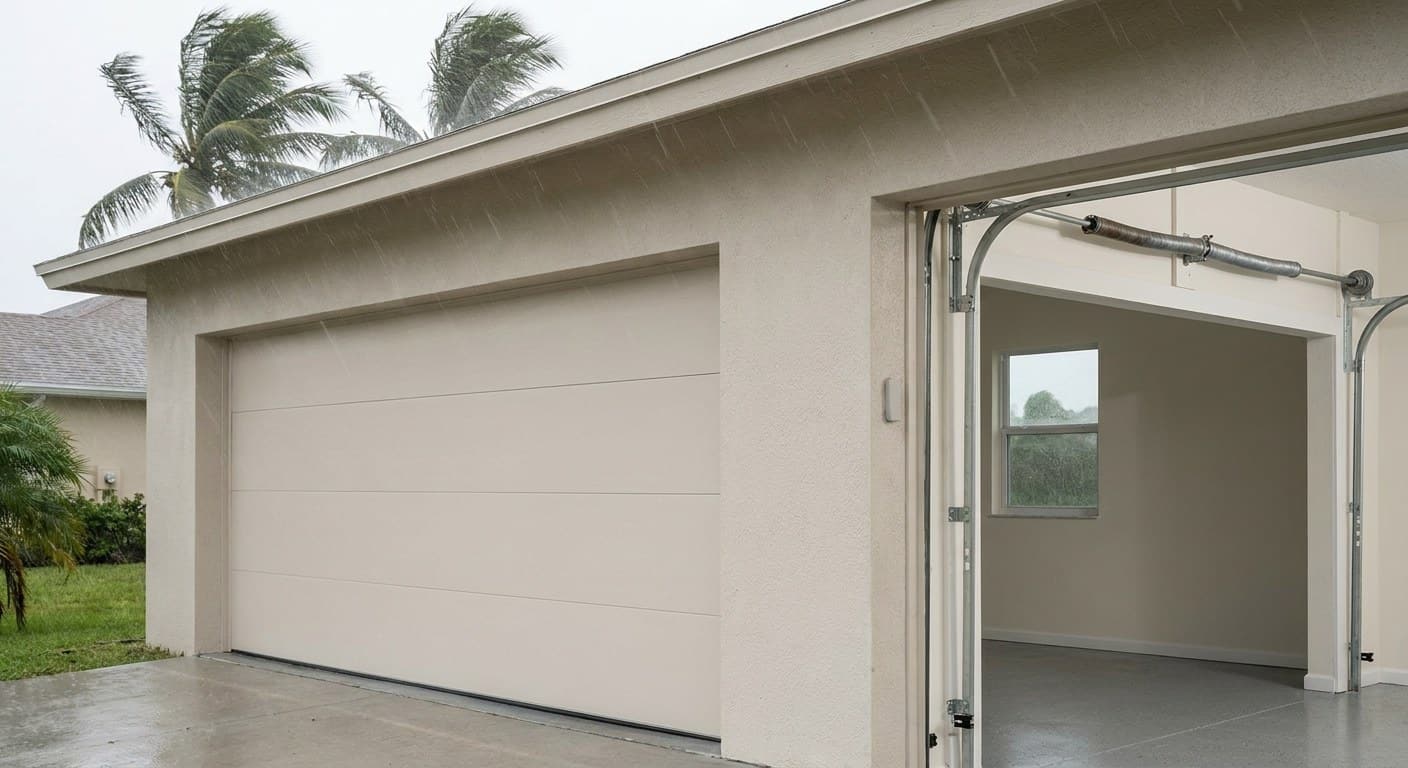
Three things a rated door must have
A product approval
issued for that exact door
Three protocols
TAS 201, 202 and 203
A permit and an inspection
filed under a contractor's license
What a hurricane-rated door is actually tested for
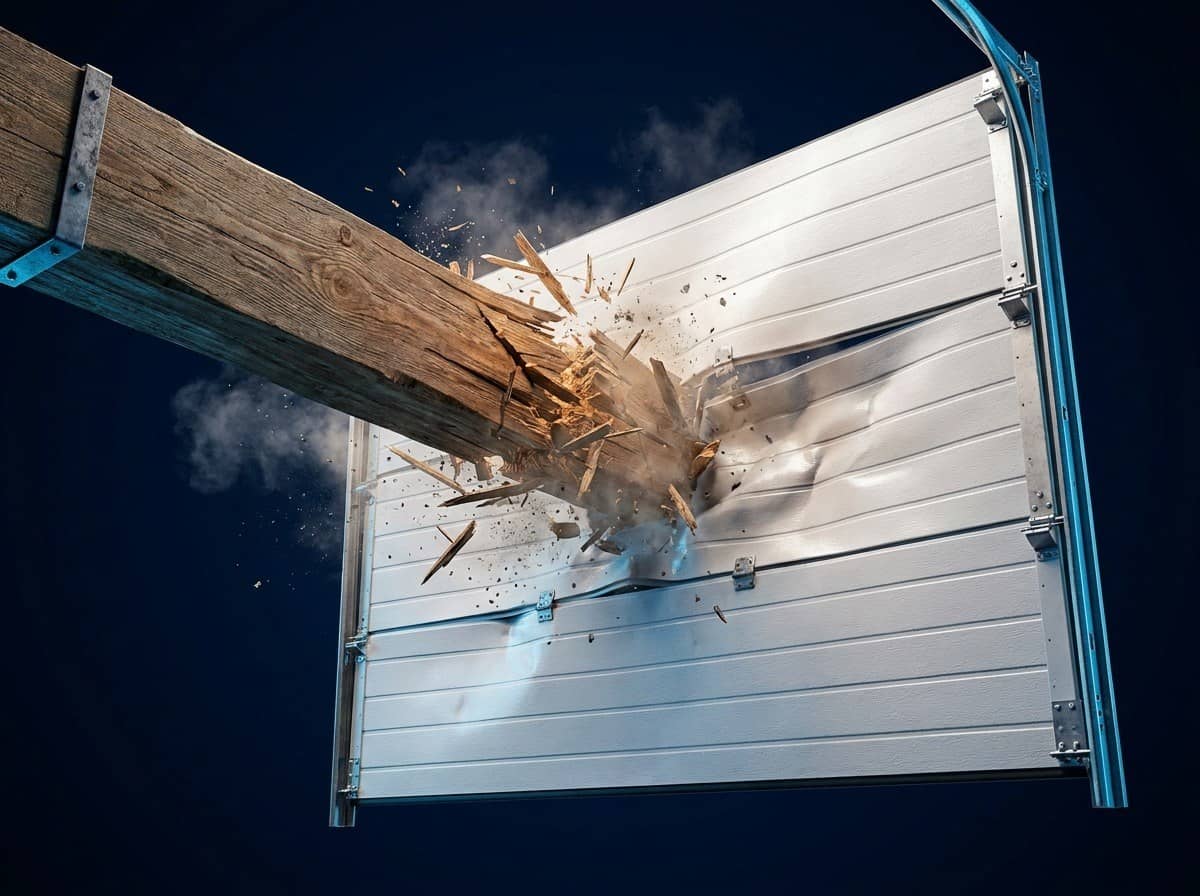
Large-missile impact
A timber projectile fired at the panel at speed
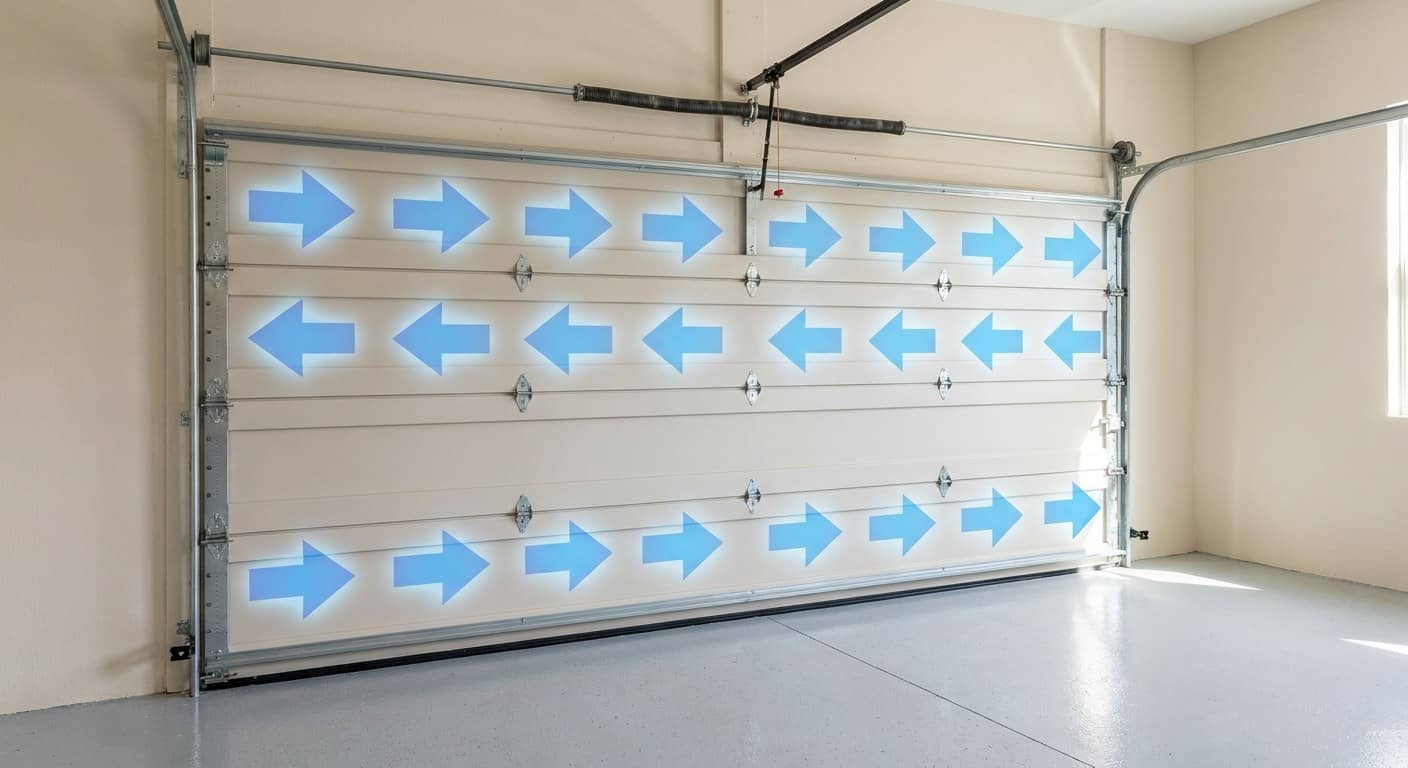
Sustained pressure
Held at its rated positive and negative load
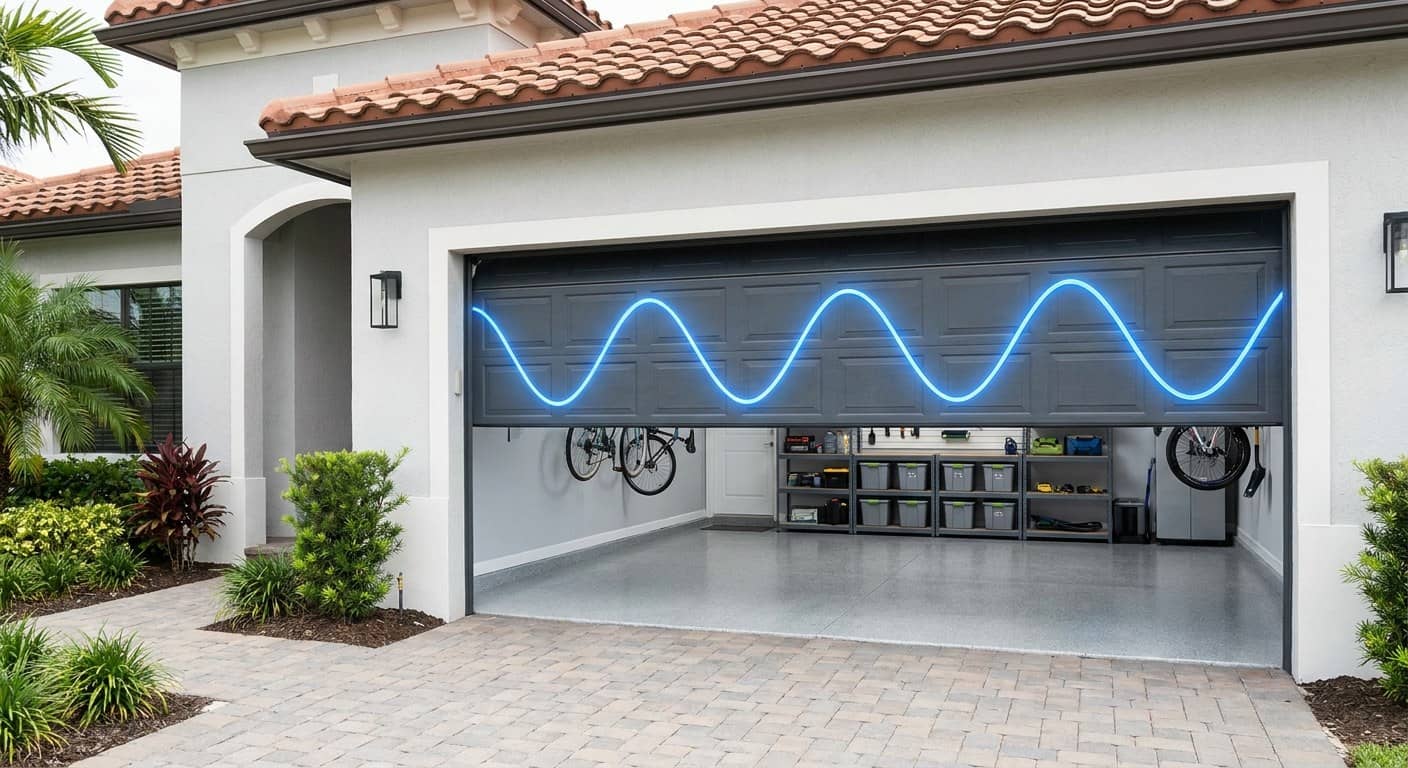
Cyclic loading
Thousands of pressure reversals, the way a storm loads a wall
Anchorage
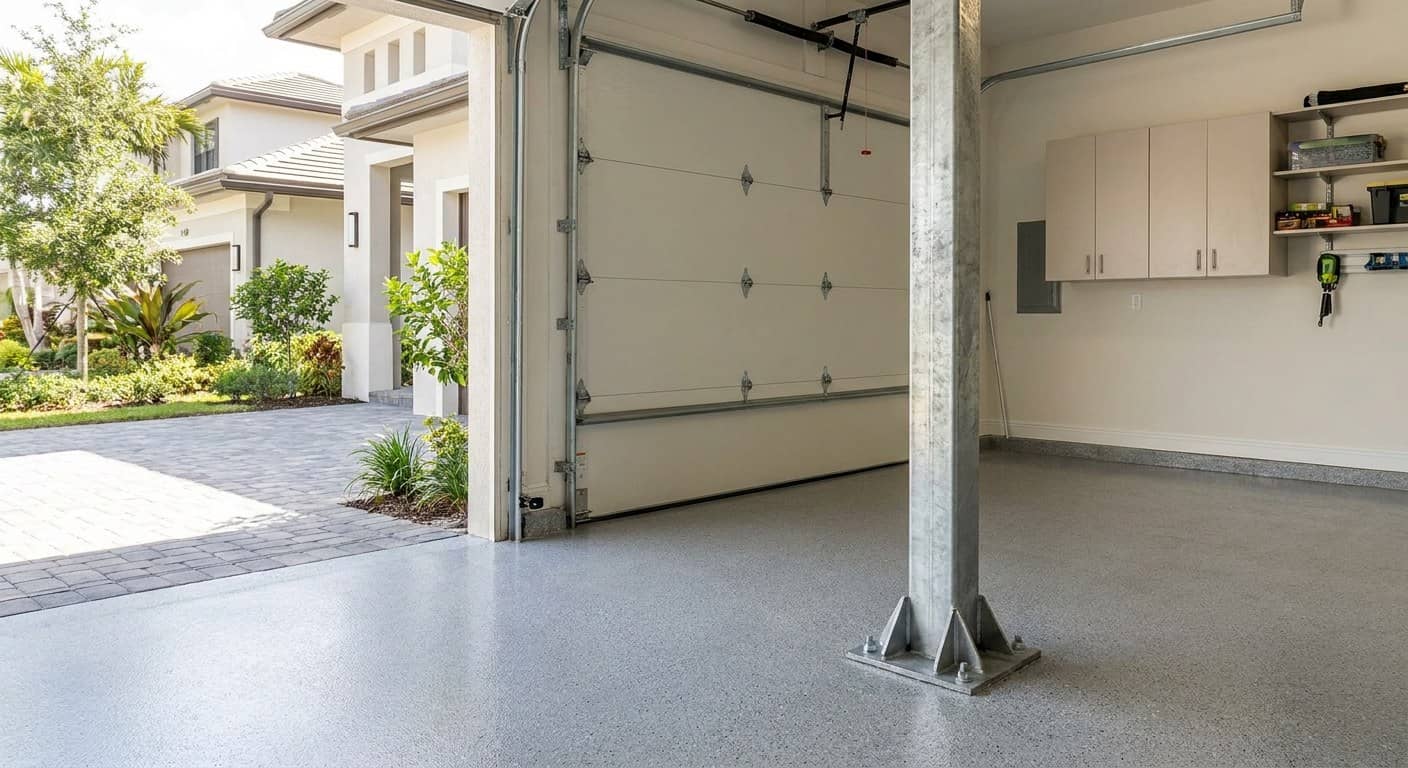
The approval covers how it is fixed, not only the door
What a rated installation must produce
| Requirement | What it means | Who sets it | What to ask for |
|---|---|---|---|
| An approval number | The door model is approved for your opening size | Miami-Dade Product Control or the state | Ask for it in writing with the quote |
| Design pressure | Positive and negative loads the door is rated to hold | Florida Building Code, by address | The number belongs on the permit plans |
| Impact rating | The panel survived the missile test | Approved testing laboratories | Required throughout the HVHZ |
| Anchorage detail | Track, jamb and fasteners specified by the approval | The approval document itself | Anchors are how doors actually fail |
| A permit | Every replacement is permitted work | Miami-Dade and your municipality | Refusing a permit is a red flag, not a saving |
| A closed inspection | The county signs off the finished install | Your building department | Keep the paperwork for insurance and resale |
Why South Florida hardware wears out sooner

2
counties in the High-Velocity Hurricane Zone: Miami-Dade and Broward
Both
pressure and impact must be approved, not one or the other
None
grandfathering once you replace the door itself
More detail if you want it
The widest hole in the wall is the one that decides the house
On a typical one-story house here, no other opening comes close to a garage door for surface area. That surface is what turns wind speed into force, and it is also the weakest structural element of the elevation, because it has to move. When it fails, the wind does not simply enter the garage — it pressurizes the building from inside while it is still pulling on the roof from outside, and the two loads add up on the same sheathing.
This is why the code treats the door as an opening protection question rather than as a piece of hardware. Post-storm damage surveys in South Florida keep producing the same sequence: door in, garage pressurized, roof deck gone, house emptied by water rather than by wind. Protecting it is not about keeping the car dry.
Two approvals, two different failures
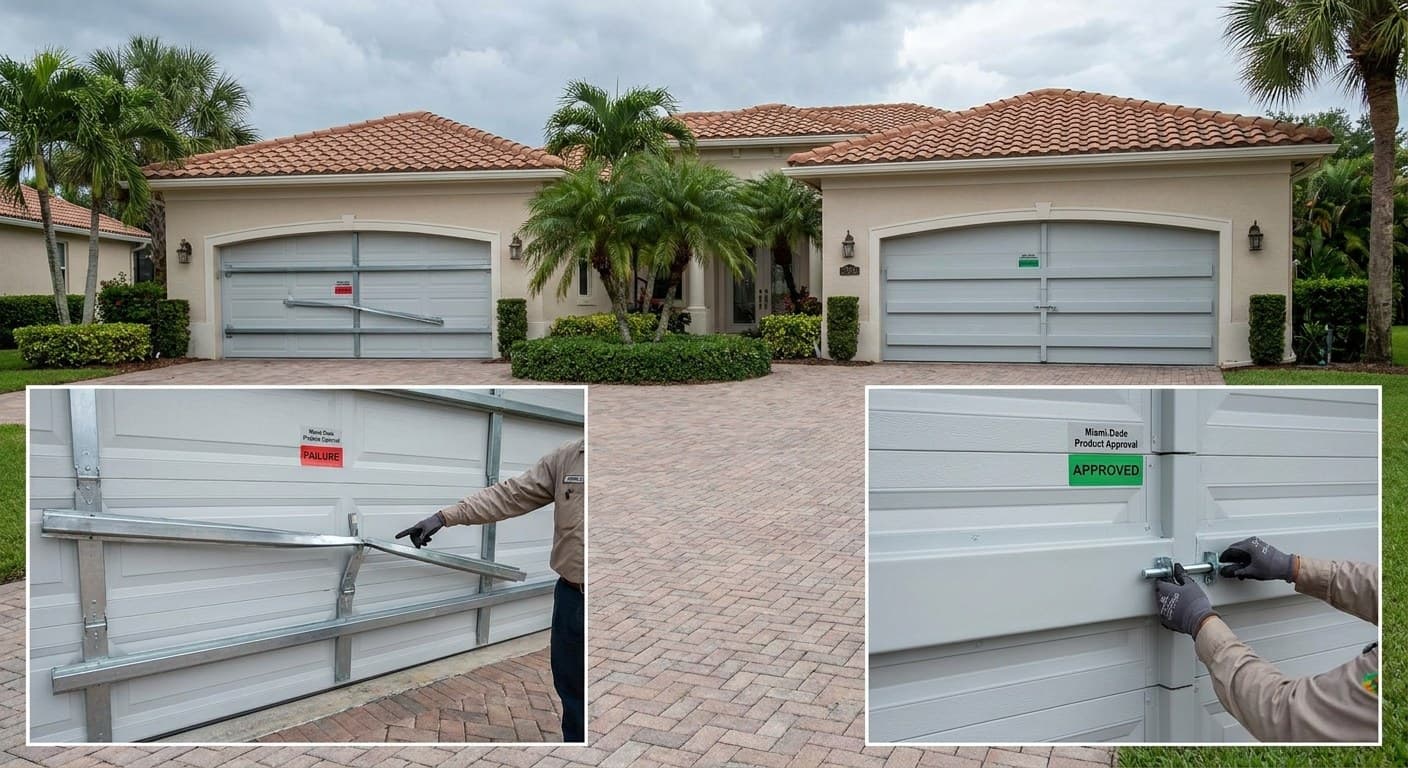
The first covers static and cyclic pressure — can the assembly hold the load without deforming out of its tracks, pushed inward and, more importantly, sucked outward. The second covers impact: a timber missile is fired at the panel, after which the same panel still has to survive thousands of pressure cycles. A door can pass one and fail the other, which is exactly why the paperwork names both.
The distinction matters commercially, because the market is full of doors sold as storm doors on the strength of a heavier gauge alone. Gauge is an ingredient. What is being certified is the whole assembly — panels, struts, track, hardware and the way it is fastened to the building — in the sizes it was tested at.
What changes the day you replace the door
An old door already hanging in an old opening is not required to be upgraded on its own. Replace it, and the new one is judged by today's rules — there is no grandfathering of a component you chose to change. That single fact reorders every decision that follows: it decides the permit, the model you may buy, the anchors your installer has to use, and whether an inspector will sign it off.
It also reorders the quotes you receive. A price that ignores the permit, the approval documents and the anchor detail will always be lower than one that includes them, and the difference is not workmanship — it is whether the door legally exists on your property record afterwards.
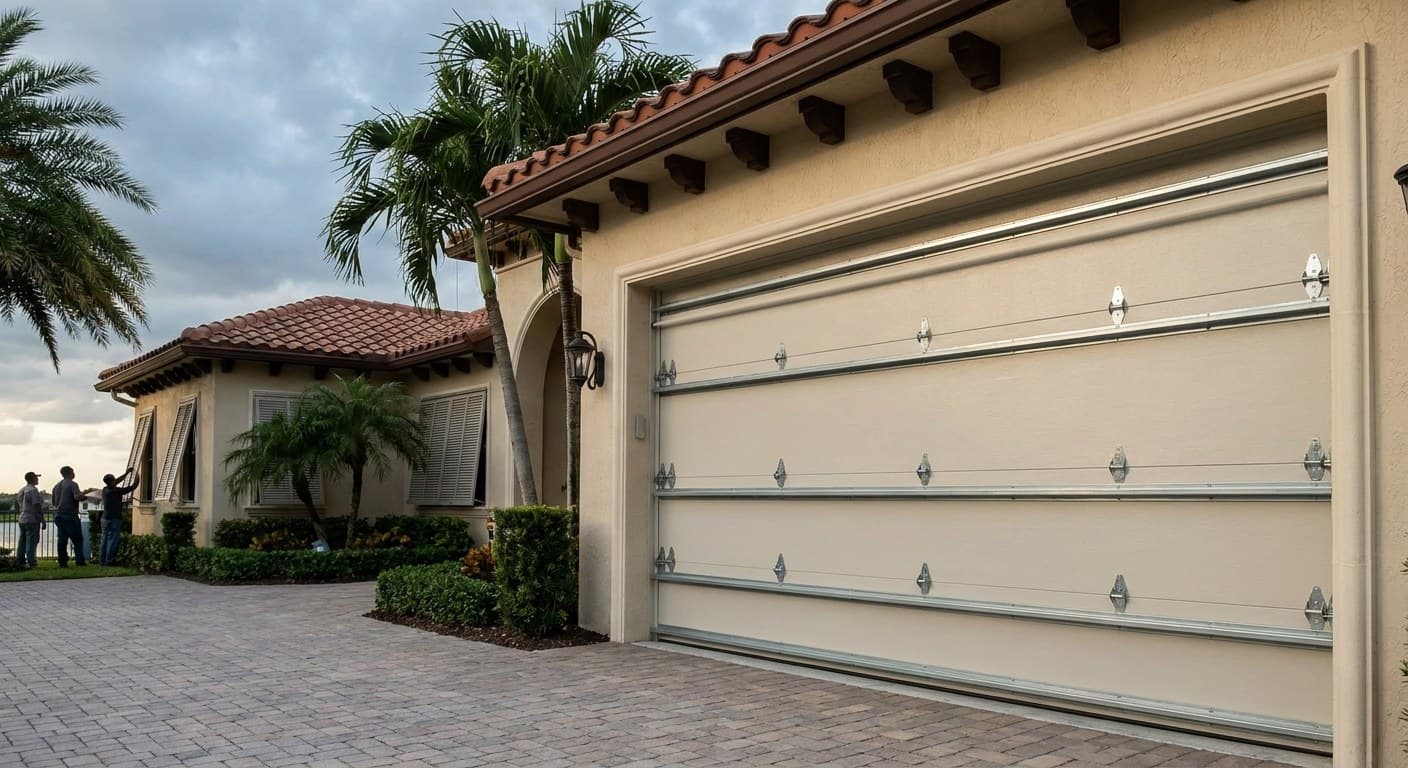
Three routes, and the one nobody sells you
Route one is a new approved door, which is the only option that satisfies both tests and the only one that reads as opening protection on an insurance inspection. Route two is bracing an existing door, which buys pressure resistance and no impact rating — useful, limited, and honest about being a seasonal measure. Route three is doing nothing, which is legal until the day you replace the door and expensive on the day the storm arrives.
Most households here end up on route one or route two for reasons of budget rather than conviction, so the useful question is not which is best in the abstract. It is which one your opening, your wall and your timeline actually allow — and that is answered by the pages below, each of which takes one piece of it.
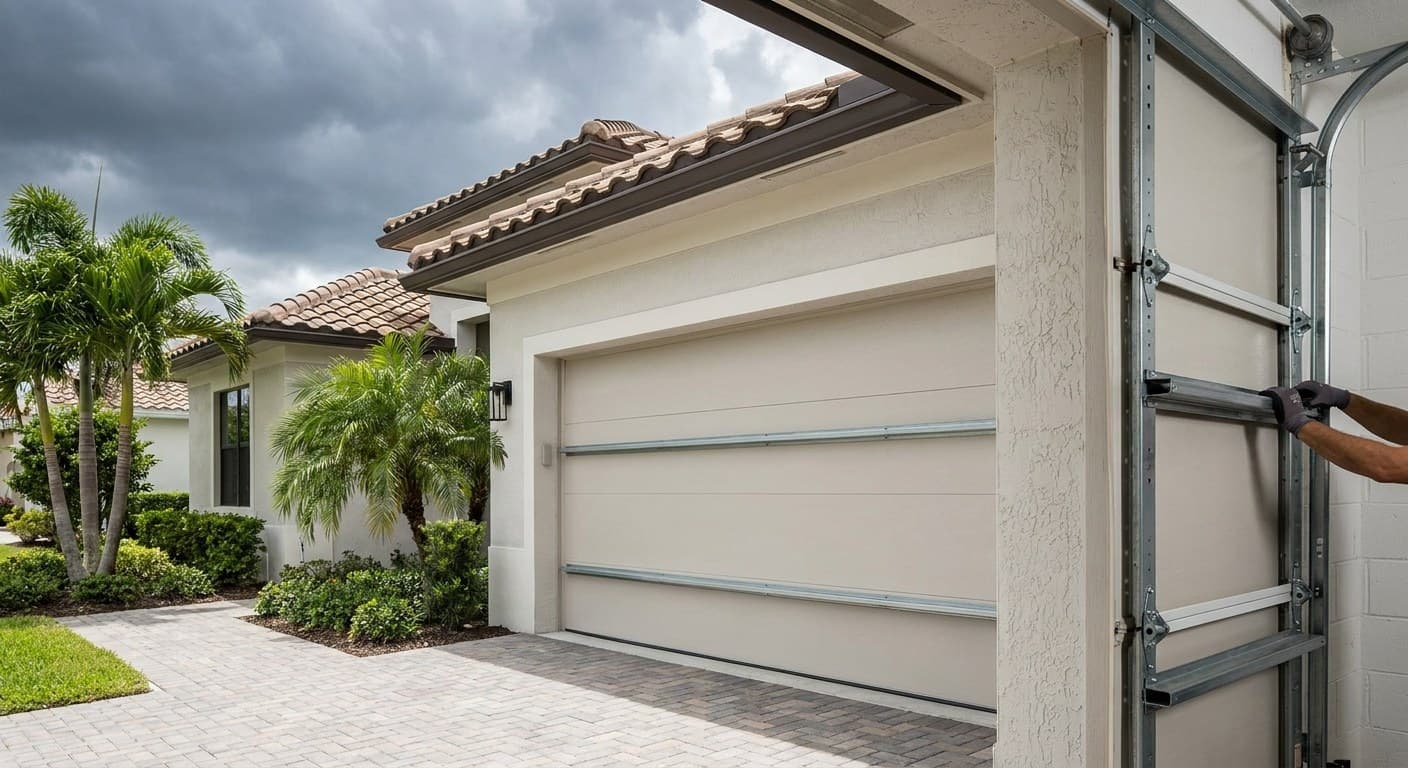
Hurricane-rated garage doors: what is required, and when
Must I upgrade a garage door that still works?
No. An existing door may stay exactly as it is for as long as it lasts.
- The requirement attaches to the replacement
- It applies the day a new door goes in
- Not to the door already on the wall
Is an impact-rated garage door the same as a hurricane-rated one?
Not by itself. Impact describes one of the two tests, and a usable door has to clear the pressure protocol for your opening size as well.
- Impact: the missile test
- Pressure: sized to your opening
- The approval states both figures side by side
Does a hurricane-rated garage door lower my insurance?
It can, through the wind mitigation credit for protected openings — but the credit is generally granted when every opening qualifies.
- A rated door beside unprotected windows may change nothing
- The inspector reads the whole envelope
Can I keep my opener with a new hurricane-rated door?
Sometimes. Approved doors are heavier than what they replace, so the spring system is always recalculated and the opener is kept only if its rated pull matches the new weight.
- An underpowered unit runs a season, then strips
- The spring calculation is not optional
Are hurricane-rated garage doors required everywhere in Florida?
No, and assuming otherwise is how people pay for protection their address never asked for — or skip protection it did.
- The High-Velocity Hurricane Zone: written outright
- Elsewhere: the wind-borne debris region decides
A door that is perfectly legal in Ocala can be illegal at a Hialeah address, and neither fact tells you anything about the other.
Sources
- Miami-Dade County — Product Control and Permitting
- Florida Building Commission — Product Approval
- National Hurricane Center (NOAA)
Edited by Avidan Benichay · Updated
General information about garage doors in South Florida — not a diagnosis of your door, and not a quote. Code and prices vary by address and change over time. Terms of use
The rest of the code
- NOA, explainedA Notice of Acceptance is the county's own product approval: it names one manufacturer's model, the maximum dimensions it was tested at, the pressures it withstood, whether it is impact-rated, and the exact fastening drawing it must be installed to.1 modelper approval — never a brand, never a range
- What makes one strongThree things, in this order of importance: an assembly stiff enough to hold the calculated load without racking, a proven resistance to being punctured by flying debris, and an anchoring detail that carries everything into the structure.9 lbtimber missile fired at the panel under TAS 201
 Wind load, explainedYour requirement is a pair of pressures in pounds per square foot — one positive, one negative — computed for your specific opening, and the door you install has to be approved to at least those two values.170 mphorder of magnitude of the mapped ultimate wind speed for the county
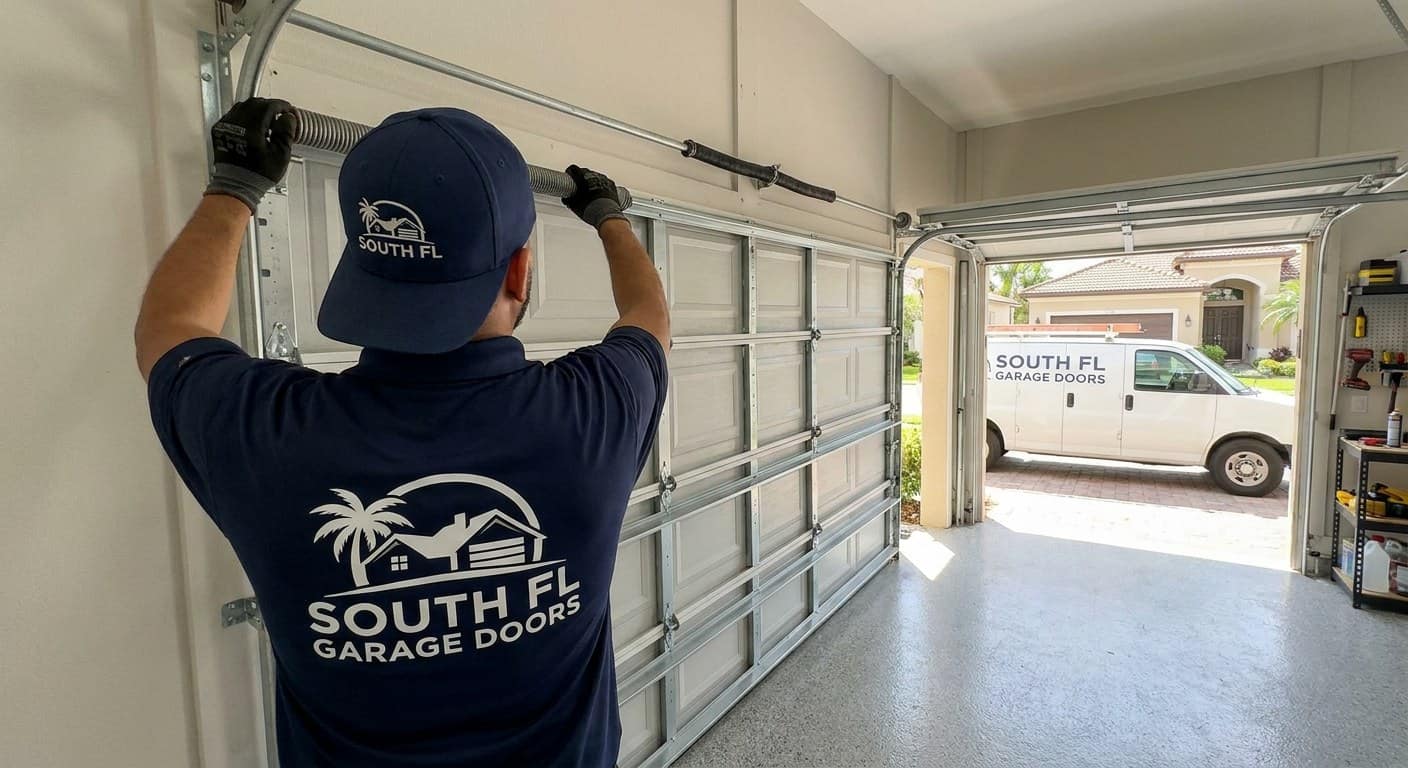
- Permits for door workChanging the door itself requires a building permit, filed with the approval number of the exact product going in and closed out by an inspection; repairing what is already there — springs, cables, rollers, hinges, an opener — does not.Replacementthe trigger — repairs to existing hardware are not
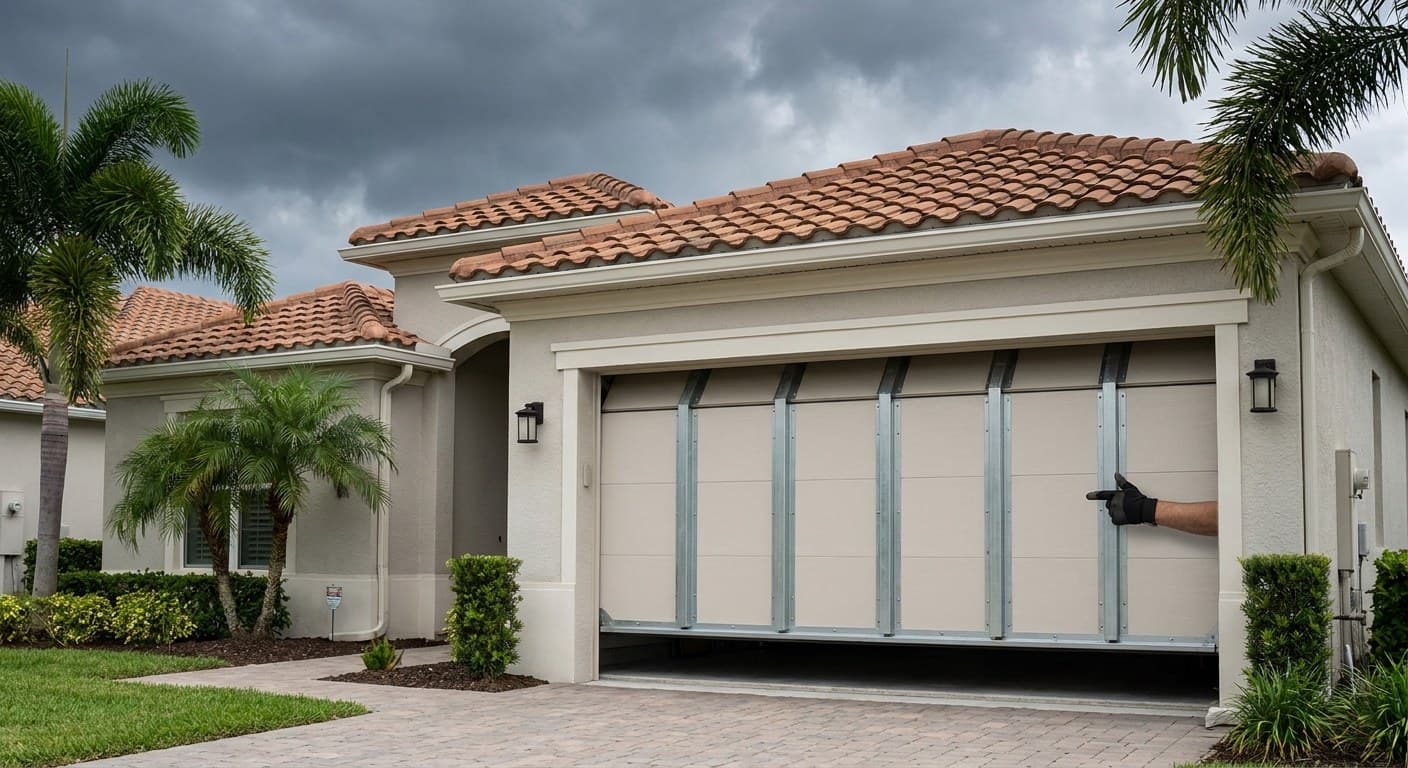
- Bracing a door you keepBracing is a vertical post or a set of horizontal struts fixed to a door already in place, and it addresses one failure only: the panels bending out of their guides under wind pressure.0impact rating gained by adding a brace
- Rated door costInstalled and permitted in this county, a single-bay approved door generally lands between $4,500 and $7,500, and a double between $5,500 and $9,500.15–25%premium of an approved door over a standard impact door
 HomesteadWe work throughout Homestead, and this is the one city in the county where the year a house was built tells you almost everything about its garage door.1992the year that splits this city's housing in two
 Coral GablesCoral Gables is the one address in this county where a code-compliant garage door is only half of the answer.2separate approvals before a new door goes up
- Hurricane door installationAn approved door installed into the wrong wall is an unapproved installation.5measurements taken before any door is proposed
Next step
Find out what your address actually requires.
Design pressure depends on your exact wind zone and the geometry of the opening. We check it before quoting anything — no guesswork, no round numbers.
You describe what the door is doing
The noise it makes, how far it travels, whether the opener runs.
We test it on site
Springs, cables, balance, tracks, opener force and the safety reverse.
You get the price before any work starts
Itemized in writing, including the permit when the job needs one.
- 4.9/5 from 300+ local reviews
- Licensed & insured
- Free visit, no obligation