
Permits / Broward County
Same hurricane zone as Miami-Dade, and not the same paperwork
Broward and Miami-Dade are the only two counties the Florida Building Code places in the High-Velocity Hurricane Zone, so the level of scrutiny is the same. What differs is everything administrative: the wind figures written into the code text are lower here, the county keeps its own set of amendments, and the approval document that a Miami-Dade installer waves around was issued by a county that has no authority north of the line.
What changes north of the line
Broward is HVHZ too
same zone, different county
Approvals still apply
state approval crosses the line
Your city issues it
not the county, in most cases
How Broward differs from Miami-Dade
Still the HVHZ
The strict envelope rules apply here as well
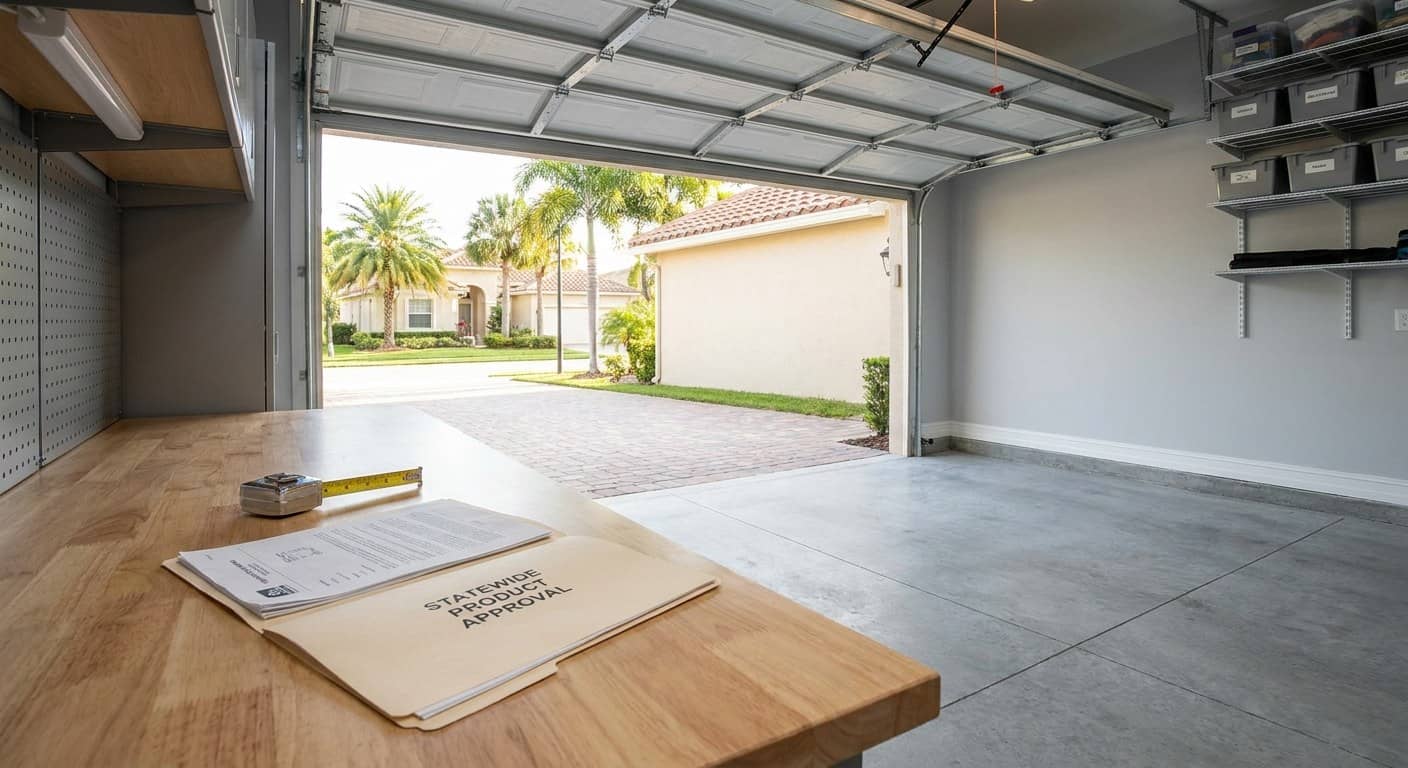
Which approval
Florida Product Approval marked for HVHZ travels across counties
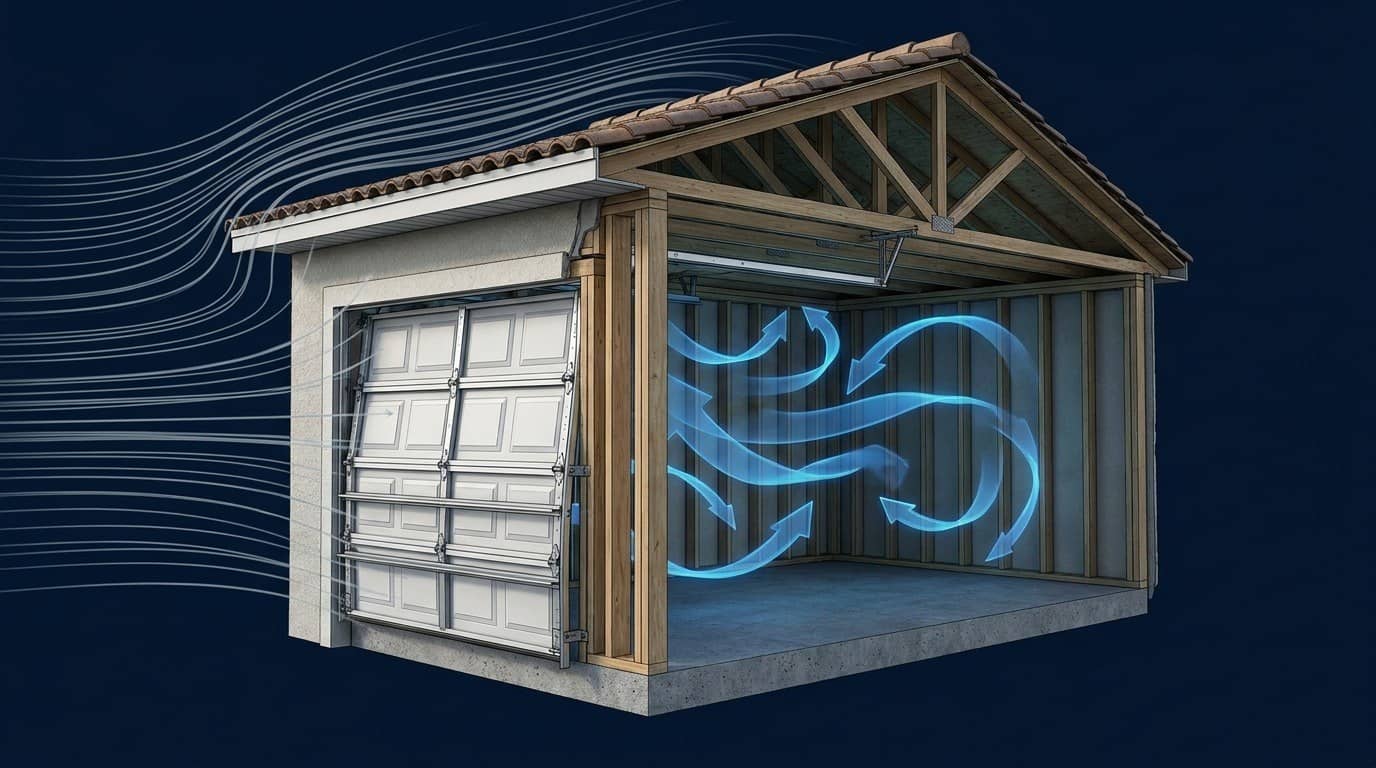
Different speeds
Broward has its own design wind speeds in the code text
Municipal permitting
Cities run their own building departments
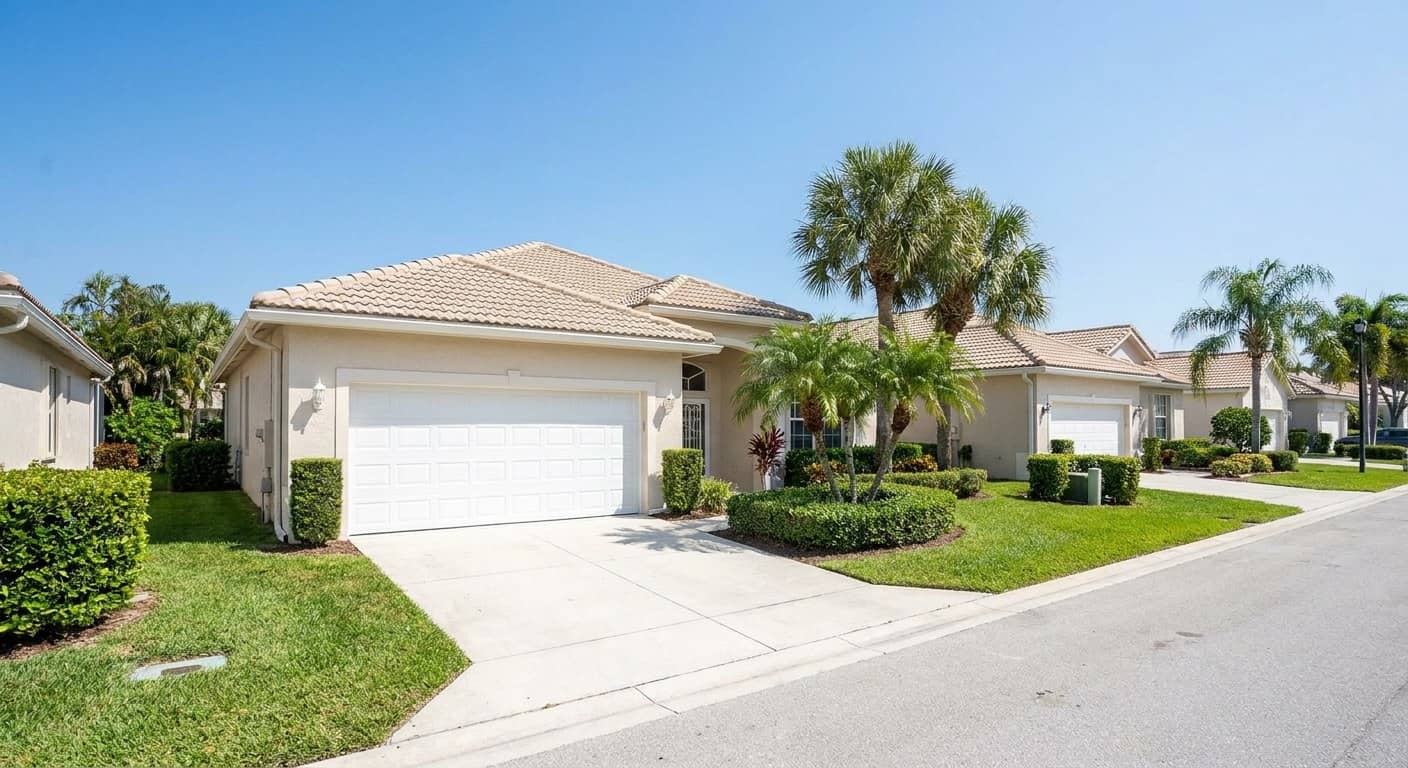
Broward, in the terms that matter
| Requirement | What it means | Who sets it | What to ask for |
|---|---|---|---|
| Zone status | Inside the High-Velocity Hurricane Zone | Florida Building Code | Impact and pressure ratings are required |
| Which approval is accepted | State approval marked for HVHZ, or a Miami-Dade NOA where accepted | The local building department | Confirm before the door is ordered |
| Design wind speeds | 156 to 185 mph by risk category | Code text, section 1620.2 | Lower than Miami-Dade, still HVHZ |
| Who issues the permit | Your municipality, in most of the county | Each city's building department | Timelines vary between cities |
| Inspection | Same principle: the install is checked against the approval | Municipal inspector | Keep the closed permit |
| The real difference | A Miami-Dade NOA is a county acceptance, not a statewide one | Miami-Dade Product Control | Ask which document your city wants |
170
mph three-second gust for a house, written into the code for this county
2
counties in the High-Velocity Hurricane Zone, and this is one
$2,500
contract value above which a Notice of Commencement must be recorded
More detail if you want it
The code writes Broward its own wind numbers
Almost everywhere in Florida, the speed an engineer designs to is read off a map. The High-Velocity Hurricane Zone is the exception: for its two counties the figures are printed as plain numbers in the code text, and they are not the same numbers. A house here is designed to a three-second gust of 170 mph, against 175 mph one county south. Hospitals and shelters climb to 185 mph, where the equivalent building further south reaches 195 mph.
The practical effect is quiet but real. A door engineered to satisfy the county to the south will normally satisfy this one on pressure alone, because it was tested harder. That says nothing about whether its paperwork is acceptable, and the two questions get confused constantly.
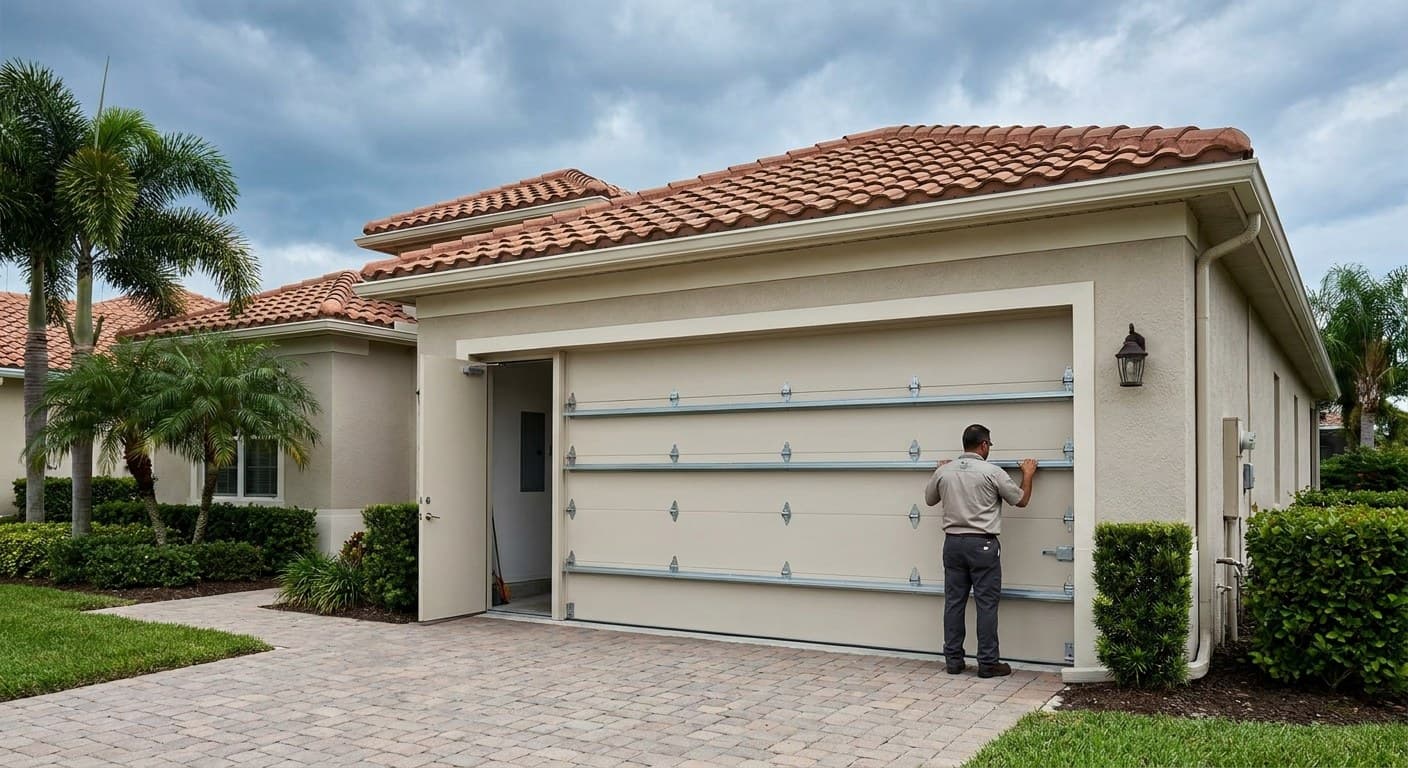
A Notice of Acceptance is a local document
This is the part that surprises people. A Notice of Acceptance is issued by one county for use inside that county. The state runs a separate approval system, and a product listed there may carry a limitation marking it fit for the high-velocity zone. That statewide listing is the one that travels: it is valid in the hurricane zone and in the rest of Florida at once.
So a quote for a Broward address that offers nothing but a southern county's acceptance number has skipped a step. Ask which listing the product actually holds. A serious supplier answers in one sentence, because the number is printed on the label and searchable for free.
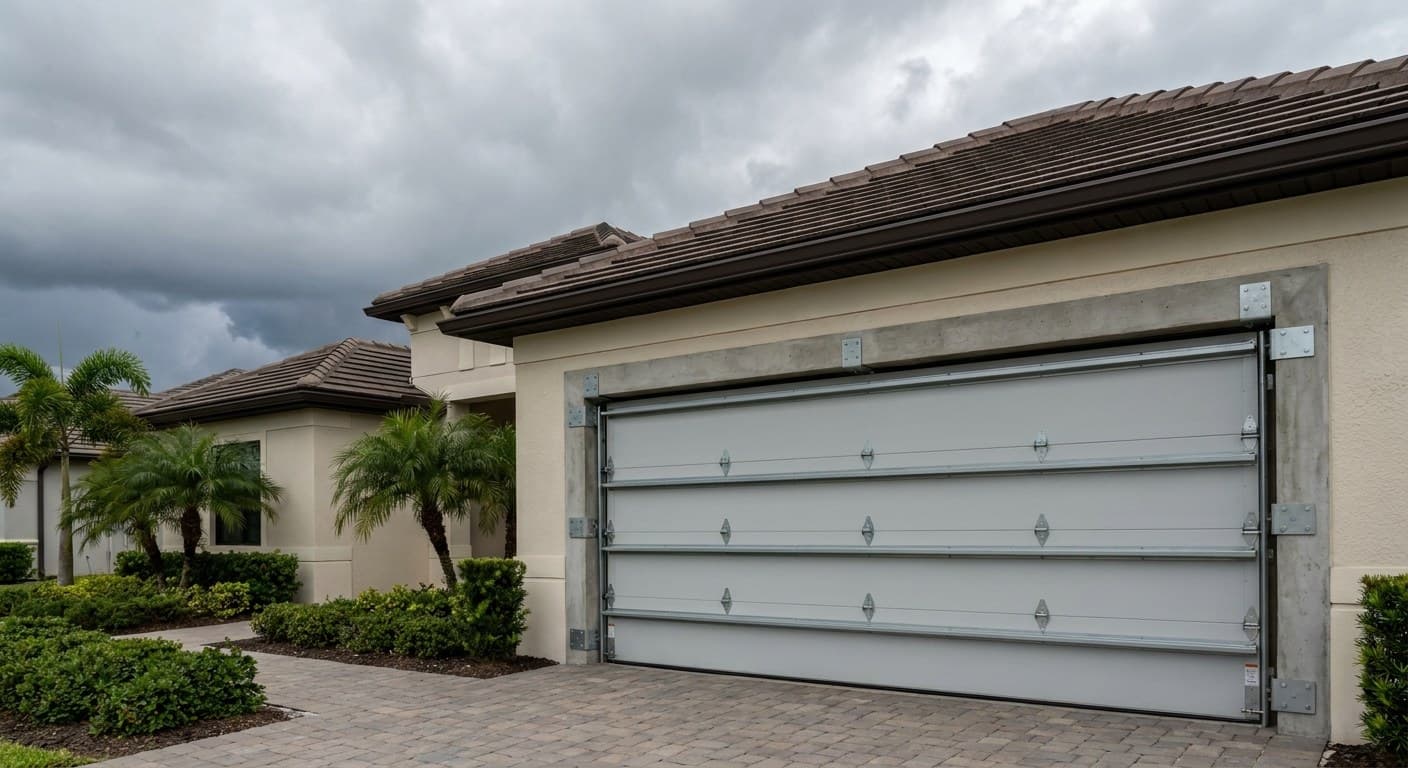
Who issues the permit, and what closes it
The permit comes from the city where the house stands, not from the county, unless the address is unincorporated. Above the county sits a Board of Rules and Appeals, which publishes the local amendments and settles disputed readings of the code — an institution the rest of Florida does not have, and the reason a Broward interpretation can differ in good faith from the one settled next door.
One statewide rule catches homeowners out. Once the contract passes 2,500 dollars, Florida requires a Notice of Commencement to be recorded before the first inspection. It protects you against paying twice if a supplier goes unpaid, and an inspector who finds it missing will not close the job.
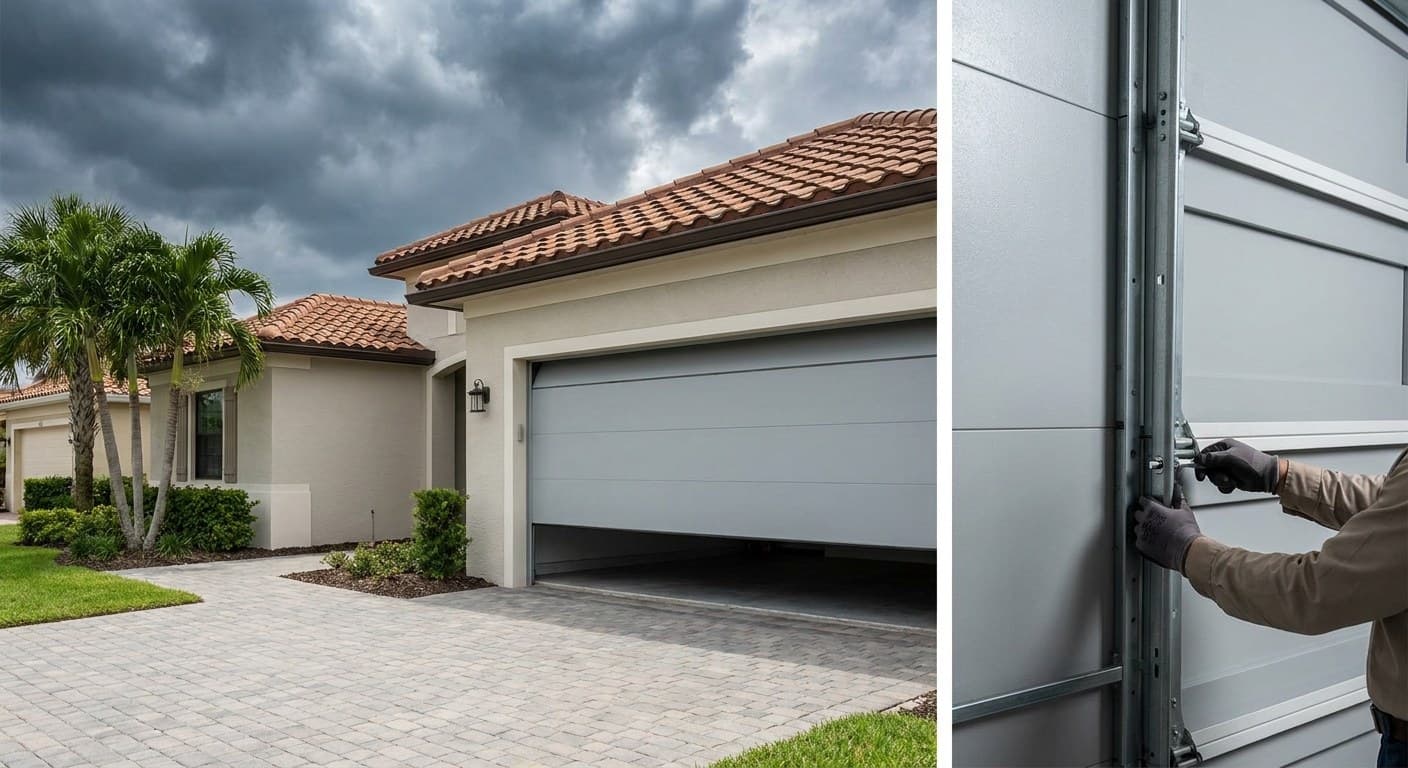
Broward County garage door permits and approvals
Is Broward County in the same hurricane zone as Miami-Dade?
Yes, and it is the only other one — the high-velocity designation covers exactly two counties.
- Impact protection is mandatory on both sides
- The products sold here look identical
Can a Miami-Dade approved garage door be installed in Broward?
Usually yes, but not because of that county's acceptance number.
- It hangs on a statewide listing marked for the zone
- Or on what your building official will accept
Get that answer in writing before the door is ordered, because a product refused at review is a product already paid for.
Do I need a Broward permit to replace only the garage door springs?
Springs, cables, rollers, hinges and openers are normally handled as maintenance of an assembly that is already in place, rather than as installation of opening protection.
- The trigger is swapping the door itself
- At that moment it becomes opening protection
Why do two Broward cities read the garage door code differently?
Because interpretation sits with each building official, with a county board above them publishing amendments and formal rulings.
- That structure reduces disagreement
- It does not eliminate it
So a detail settled in one city can still be argued in the next, and the only safe answer is the one from the office that will review your file.
Sources
- Florida Building Commission — Product Approval
- broward.org
- Florida Department of Business and Professional Regulation
Edited by Avidan Benichay · Updated
General information about garage doors in South Florida — not a diagnosis of your door, and not a quote. Code and prices vary by address and change over time. Terms of use
The rest of the code
- Permits for door workChanging the door itself requires a building permit, filed with the approval number of the exact product going in and closed out by an inspection; repairing what is already there — springs, cables, rollers, hinges, an opener — does not.Replacementthe trigger — repairs to existing hardware are not
- NOA, explainedA Notice of Acceptance is the county's own product approval: it names one manufacturer's model, the maximum dimensions it was tested at, the pressures it withstood, whether it is impact-rated, and the exact fastening drawing it must be installed to.1 modelper approval — never a brand, never a range
 Wind load, explainedYour requirement is a pair of pressures in pounds per square foot — one positive, one negative — computed for your specific opening, and the door you install has to be approved to at least those two values.170 mphorder of magnitude of the mapped ultimate wind speed for the county
- Service areasWe work across three counties — Miami-Dade, Broward and Palm Beach.47municipalities and neighborhoods inside Miami-Dade
Next step
Find out what your address actually requires.
Design pressure depends on your exact wind zone and the geometry of the opening. We check it before quoting anything — no guesswork, no round numbers.
You describe what the door is doing
The noise it makes, how far it travels, whether the opener runs.
We test it on site
Springs, cables, balance, tracks, opener force and the safety reverse.
You get the price before any work starts
Itemized in writing, including the permit when the job needs one.
- 4.9/5 from 300+ local reviews
- Licensed & insured
- Free visit, no obligation