
Parts and hardware / Miami-Dade
The wrong garage door lubricant does real damage
Two mistakes account for most lubrication damage on residential doors: using a thin penetrating spray as though it were a lubricant, and greasing the tracks. The first strips protection and attracts abrasive dust, the second turns the channel into a trap for grit that then grinds the wheels.
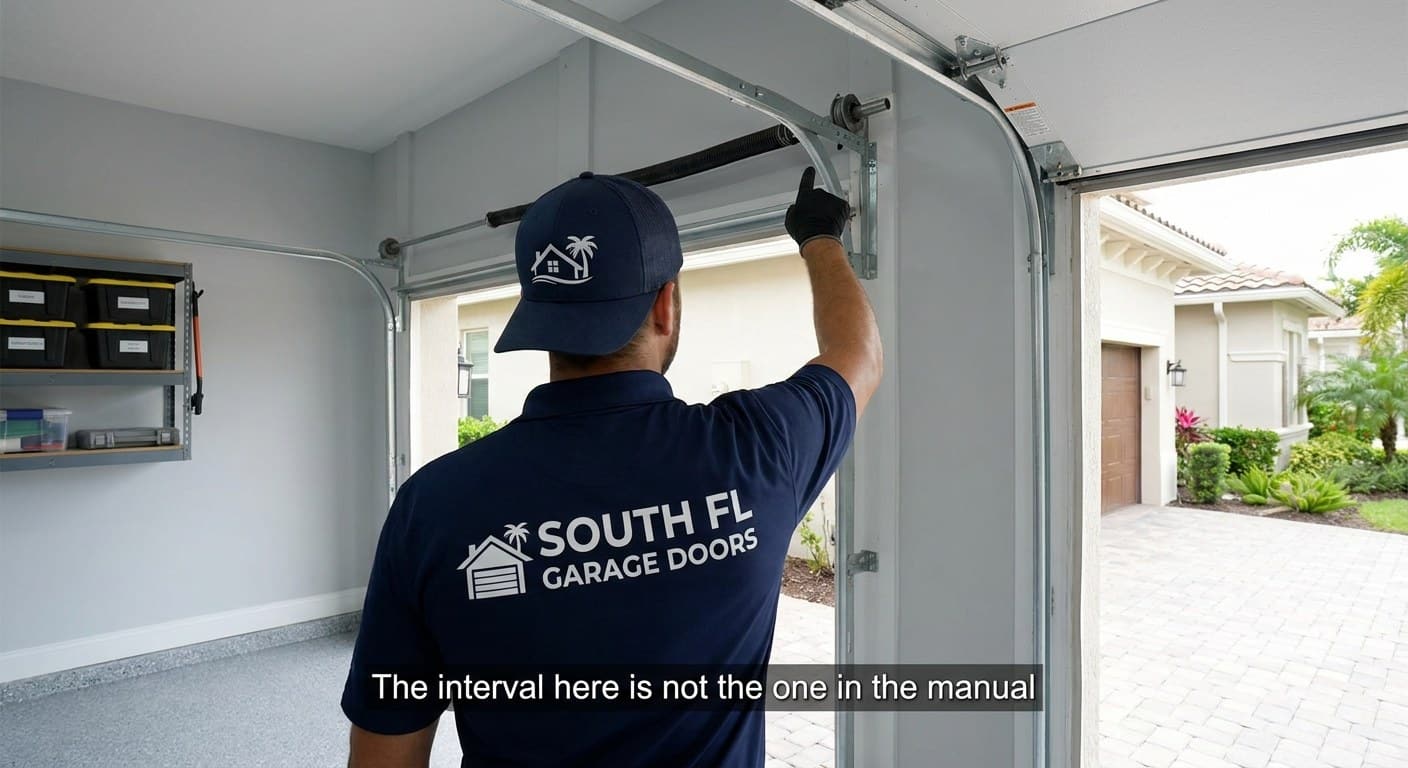
Three facts about lubrication
White lithium grease
not oil, not a penetrant
Metal that pivots or rolls
never the track
Quarterly here
not the twice a year in the manual
What to lubricate, and what to leave alone
White lithium grease
Clings, resists washing out, and does not attract grit like oil
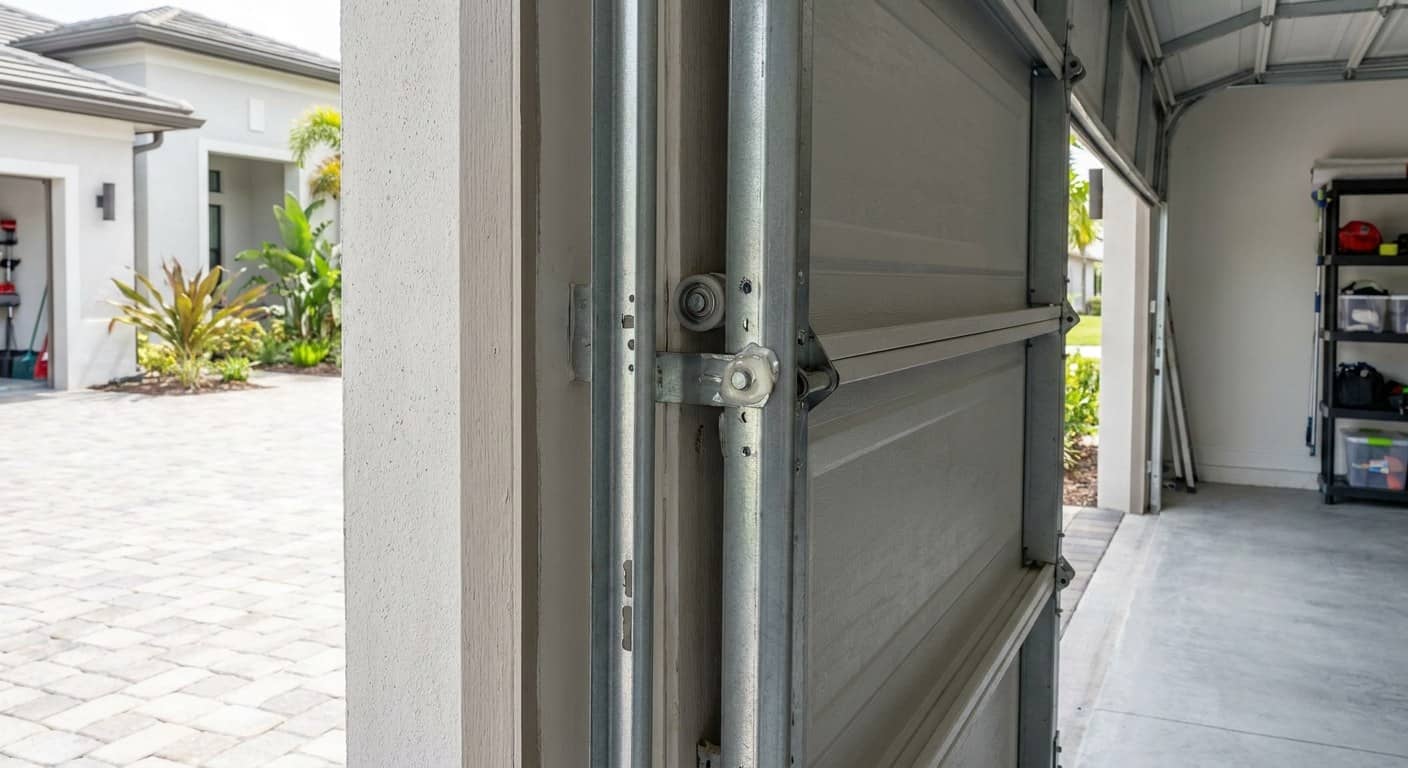
Hinges and rollers
The pivots and the stems, not the wheel face
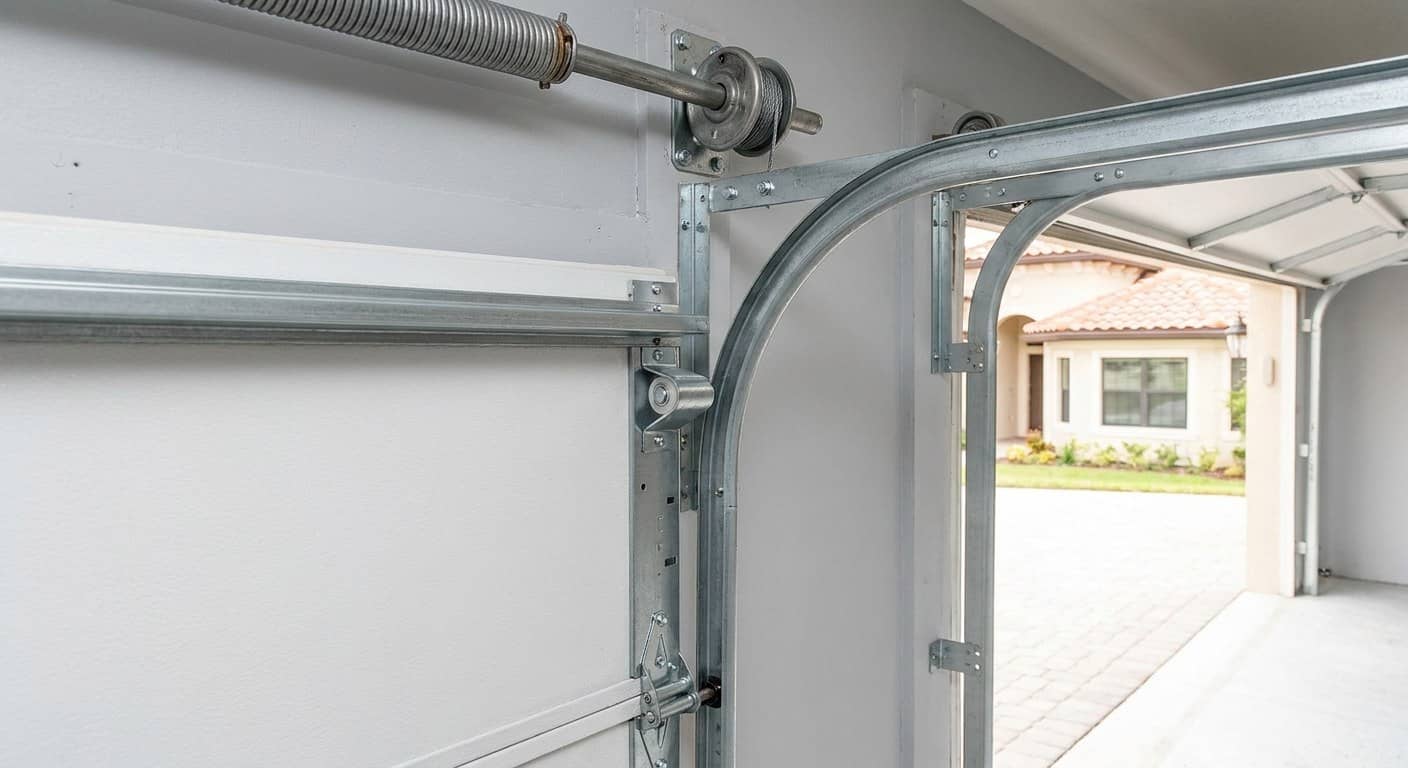
Spring coils
A light film slows corrosion between the coils
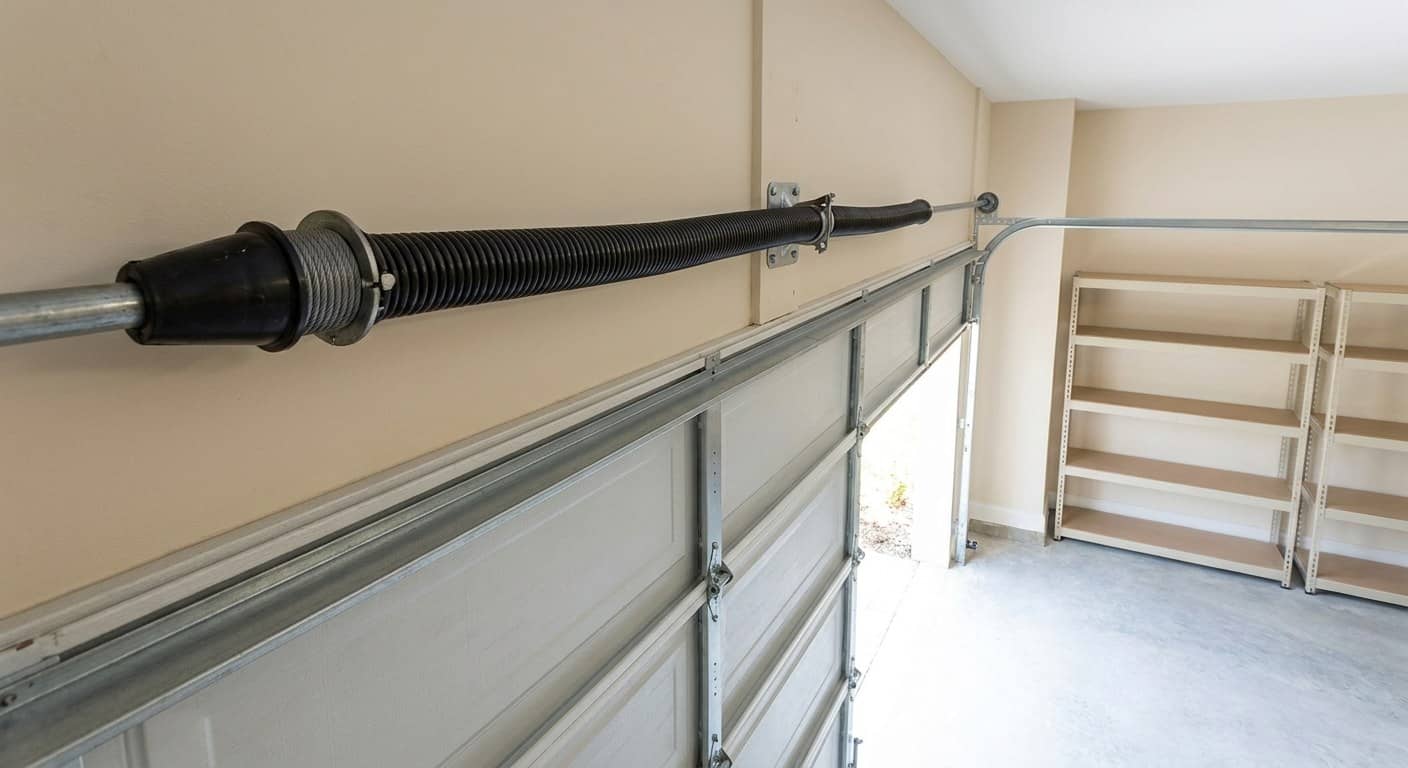
Never the track
The track is a running surface: grease turns it into a grinding paste
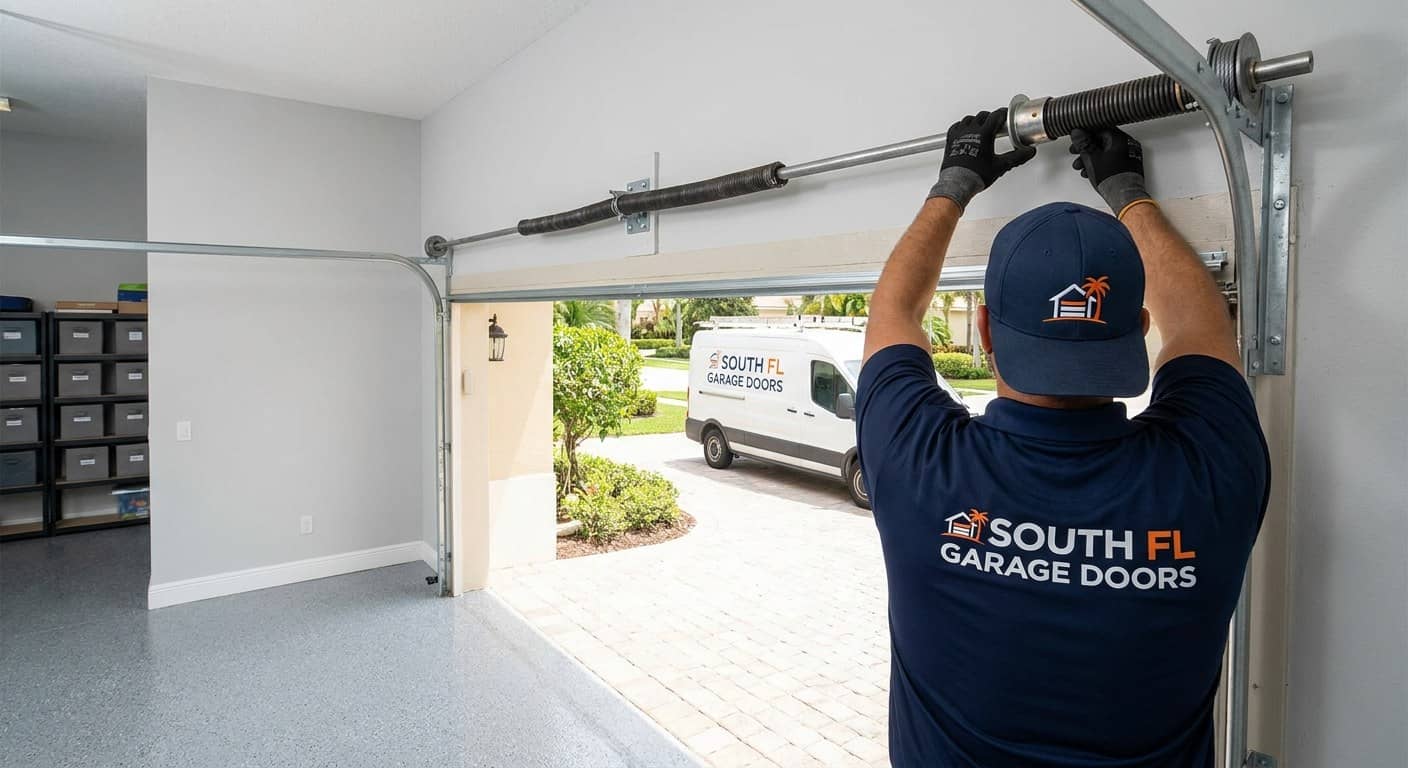
Where lubricant goes and where it never goes
| Symptom | What it means | Urgency | Next step |
|---|---|---|---|
| Hinges and roller stems | Metal pivoting on metal | Routine | Light application, wipe the excess |
| Torsion spring coils | Corrosion, not friction, kills springs here | Routine | A thin film, quarterly |
| End and center bearings | Open races need it most | Routine | Sealed bearings need nothing |
| The track | It is a running surface, not a bearing | Routine | Wipe it clean instead |
| Penetrating spray | It cleans and then leaves nothing behind | Routine | Use it to clean, then lubricate properly |
| How often | Humidity and salt strip film fast here | Routine | Quarterly beats the manual's twice a year |
Why South Florida hardware wears out sooner

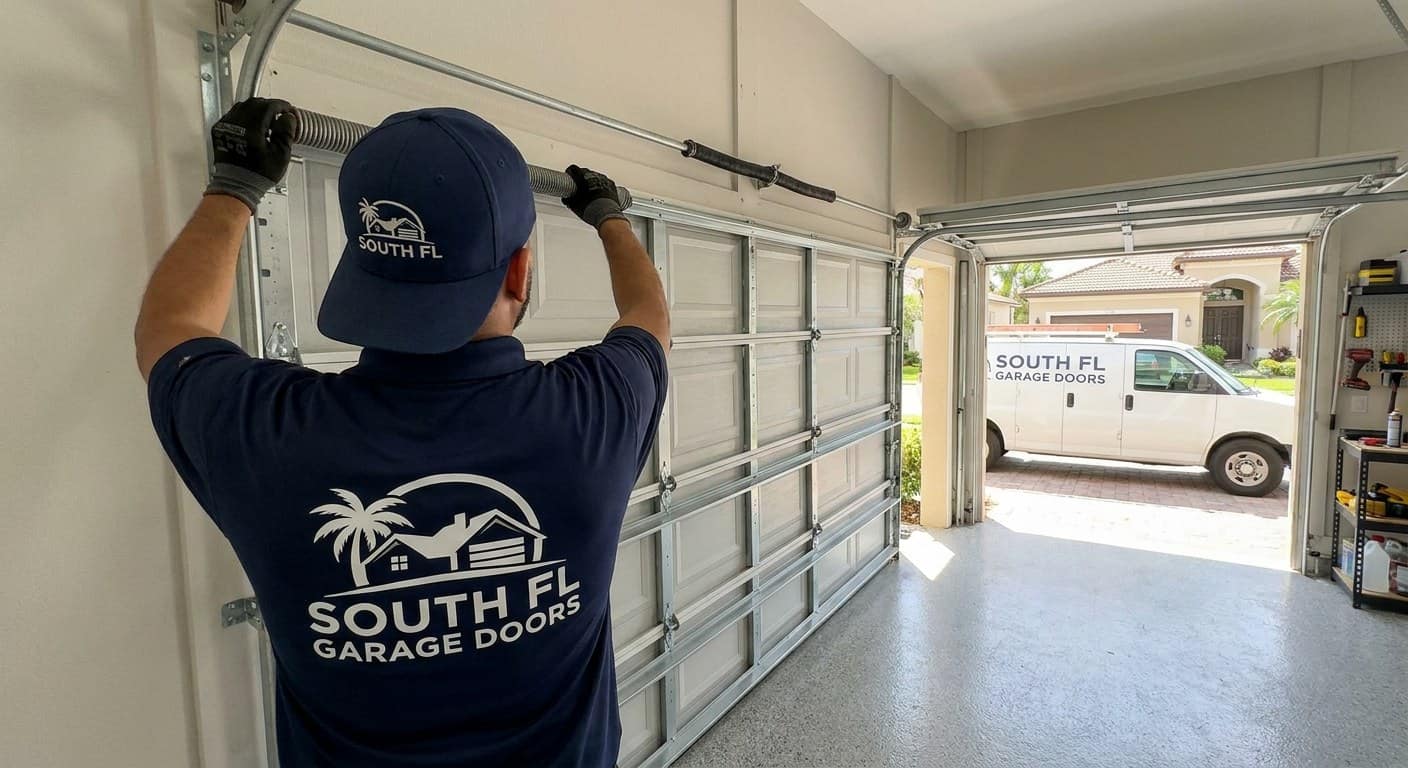
Never
grease inside the track channel
Quarterly
realistic interval near open water
Wipe back
so nothing stands on the surface
More detail if you want it
Penetrating spray is a solvent, not a lubricant
Products designed to free seized fasteners work by creeping into tight gaps and dissolving what is in them. Applied to a bearing or a spring, they do exactly that job — they dissolve and displace the grease that was protecting the metal. The part goes quiet for a fortnight because the residue is slippery, then runs dry and wears faster than it did before.
There is one legitimate use for a penetrating product on a door, and it is not lubrication: freeing a corroded fastener you intend to remove. Even then it is applied to that fastener, wiped off afterwards, and never sprayed across an assembly.
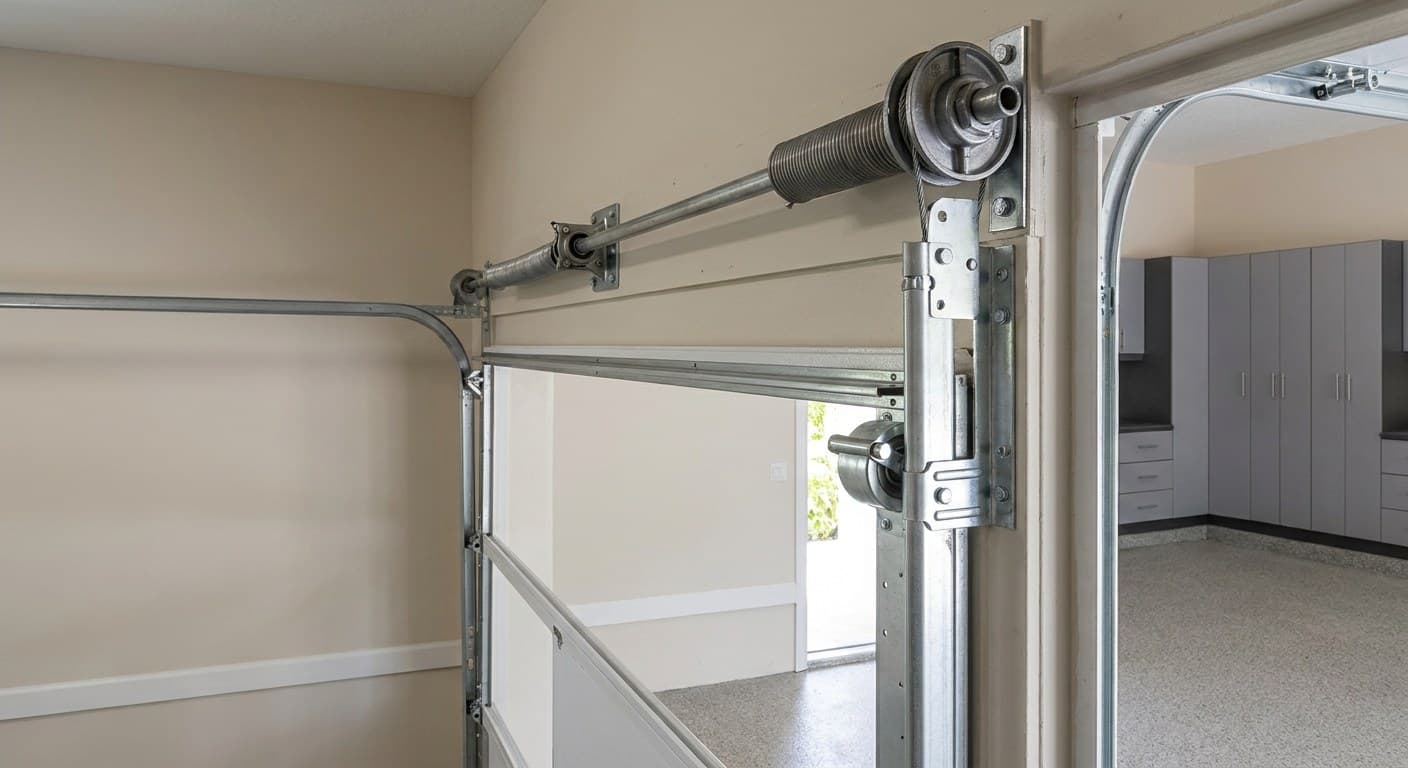
What each surface actually wants
Springs, hinge pivots, the shaft bearings and roller stems take a lithium or silicone-based garage door lubricant applied sparingly and wiped back so nothing is left standing on the surface. The opener's chain or screw drive takes the lubricant its own manufacturer specifies, which is not the same product. Nylon roller wheels need nothing at all on the wheel itself.
The tracks get cleaned, never lubricated. The wheel is supposed to roll along a dry channel; anything sticky in there collects the dust and salt that this climate supplies continuously, and the resulting paste is what polishes flats onto wheels. A rag and a mild cleaner along the channel does more for a noisy door than any spray.
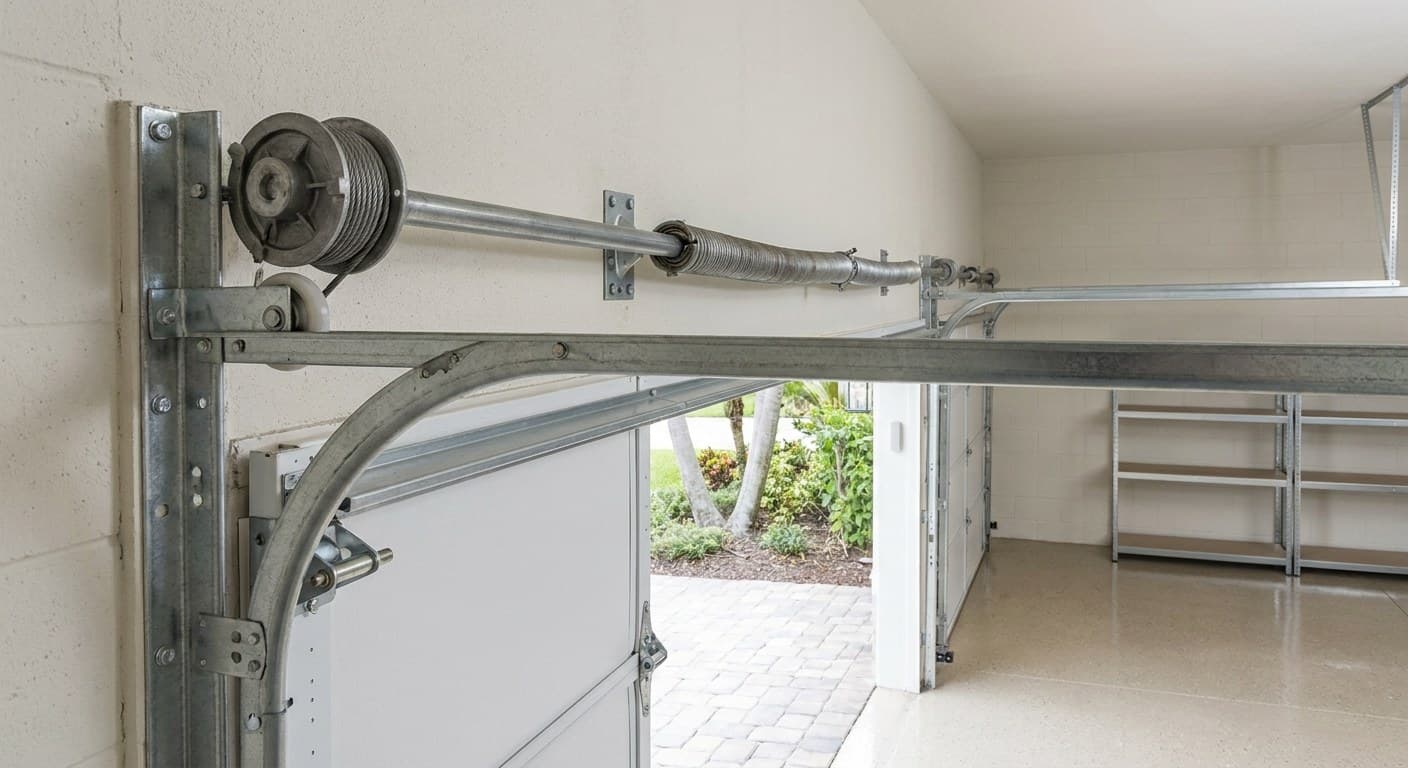
How often, this close to the water
The twice-a-year interval printed in most manuals assumes a temperate garage. Within a few miles of open water, quarterly is more realistic, and the reason is corrosion rather than friction: a thin protective film on the spring wire is what keeps chloride off the steel, and that film does not last six months in this air.
Homes that took water in a storm are a separate case. Salt water leaves a residue that keeps attracting moisture long after the floor is dry, so the correct response is to clean the affected hardware before lubricating rather than to seal the residue in under a fresh coat.
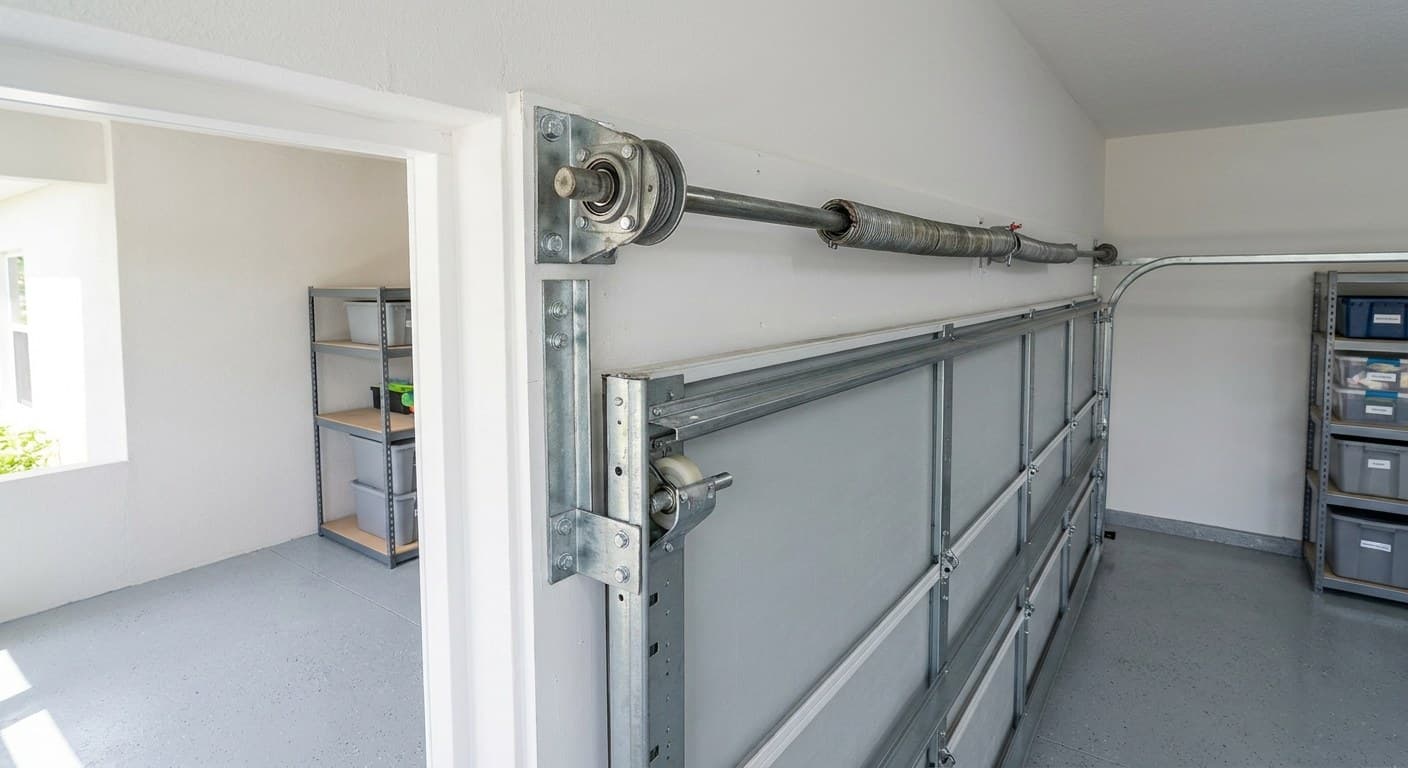
Lubricating a garage door without doing harm
Is white lithium grease suitable for garage door springs?
White lithium grease suits a garage door spring when it goes on thinly and gets wiped back.
- The goal is a protective film across the coil
- Not a coating that sits proud and collects dust
- Aerosol makes the thin application easier
Should a belt-drive garage door opener be lubricated?
The belt itself must stay dry, because lubricant degrades the reinforced rubber it is made of.
- The rail may want a light film on some models
- The manufacturer's instruction wins here
- One of the few cases where it overrides advice
Penetrating oil was sprayed over the whole garage door. What now?
Wipe down whatever is reachable, then put a proper garage door lubricant back on the pivots and the spring.
- Those surfaces need protection restored
- Watch the shaft bearing over the next weeks
- A louder squeal means the race lost its grease
Why should grease never go inside a garage door track?
Grease in the channel turns the track into a trap for grit, and that grit then grinds the wheels.
- Rollers are meant to roll on a dry surface
- A thin penetrating spray strips protection
- Quarterly is a realistic interval near open water
Sources
- U.S. Consumer Product Safety Commission
- Florida Building Commission — Product Approval
Edited by Avidan Benichay · Updated
General information about garage doors in South Florida — not a diagnosis of your door, and not a quote. Code and prices vary by address and change over time. Terms of use
The parts around it
 Diagnose it by soundA garage door is one of the few machines in a house that tells you exactly what is wrong if you listen to it, because each component fails with its own signature sound.Fixed pointsqueal is rotational, at the shaft
 Center bearing squealIf your door produces a rhythmic metallic squeal that comes from the middle of the wall above the opening rather than from the tracks, the source is nearly always the center bearing plate — the bracket that supports the spring shaft where it crosses the header, and the only bearing on the door carrying rotational load all day.1bearing at the header carries the shaft
 Rollers and bearingsRollers are the cheapest component that changes how a door feels, and the choice between bare steel, nylon and a sealed-bearing nylon wheel decides how quiet the door will be, how long the track survives, and how often anyone has to come back.Sealedbearing keeps salt and grit out of the wheel
Next step
Not sure which part failed?
Most garage door faults are identifiable from the noise and the way the door moves. Start there — it usually costs less than you expect.
You describe what the door is doing
The noise it makes, how far it travels, whether the opener runs.
We test it on site
Springs, cables, balance, tracks, opener force and the safety reverse.
You get the price before any work starts
Itemized in writing, including the permit when the job needs one.
- 4.9/5 from 300+ local reviews
- Licensed & insured
- Free visit, no obligation