
Parts and hardware / Miami-Dade
That squeal from the middle of the wall is a bearing
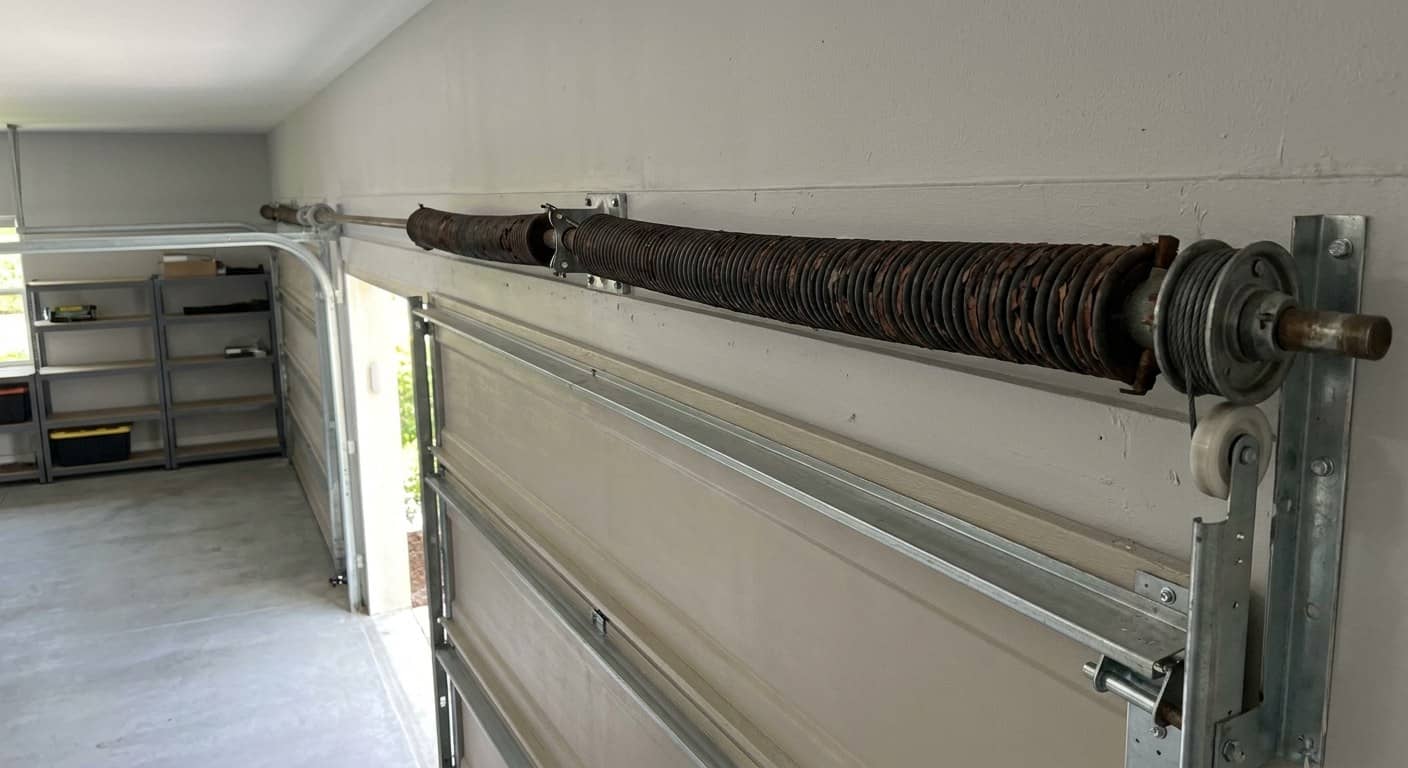
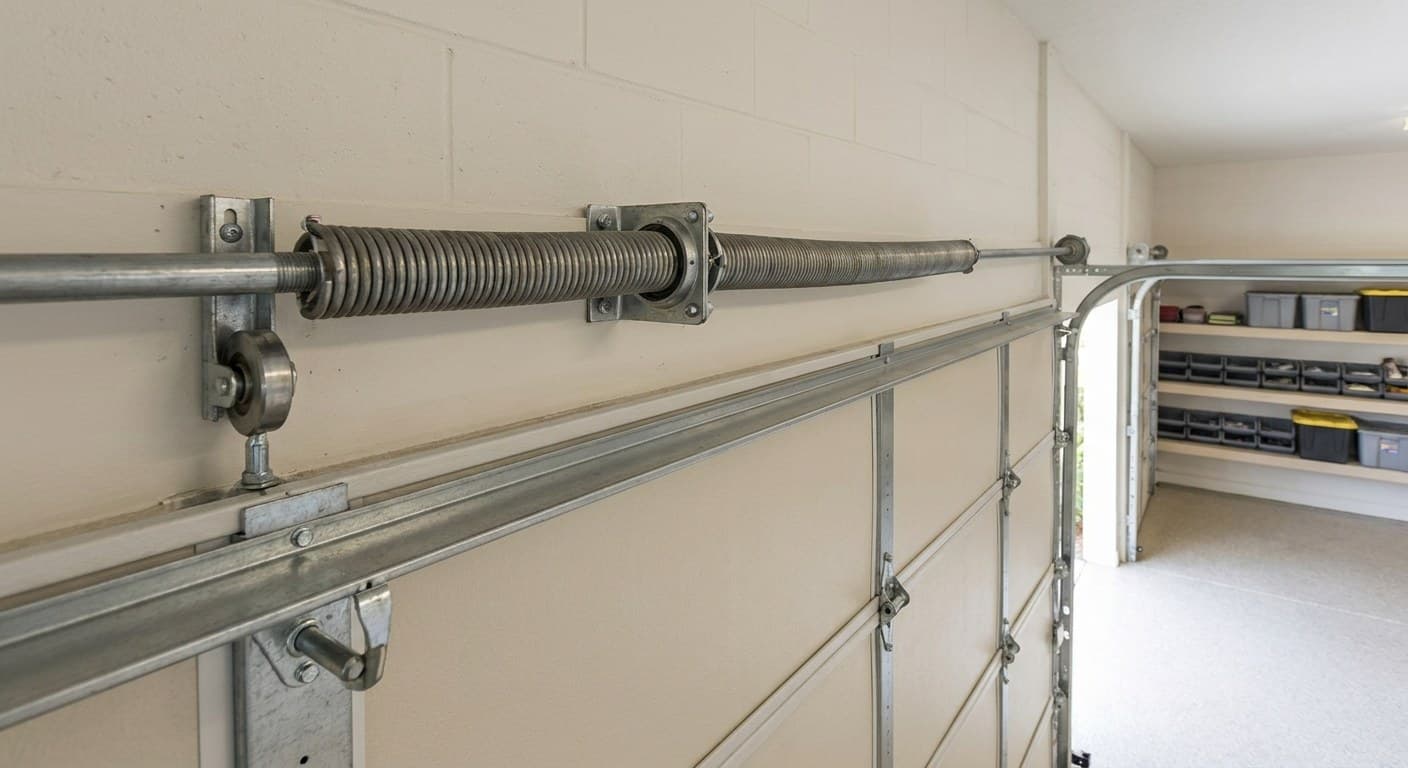
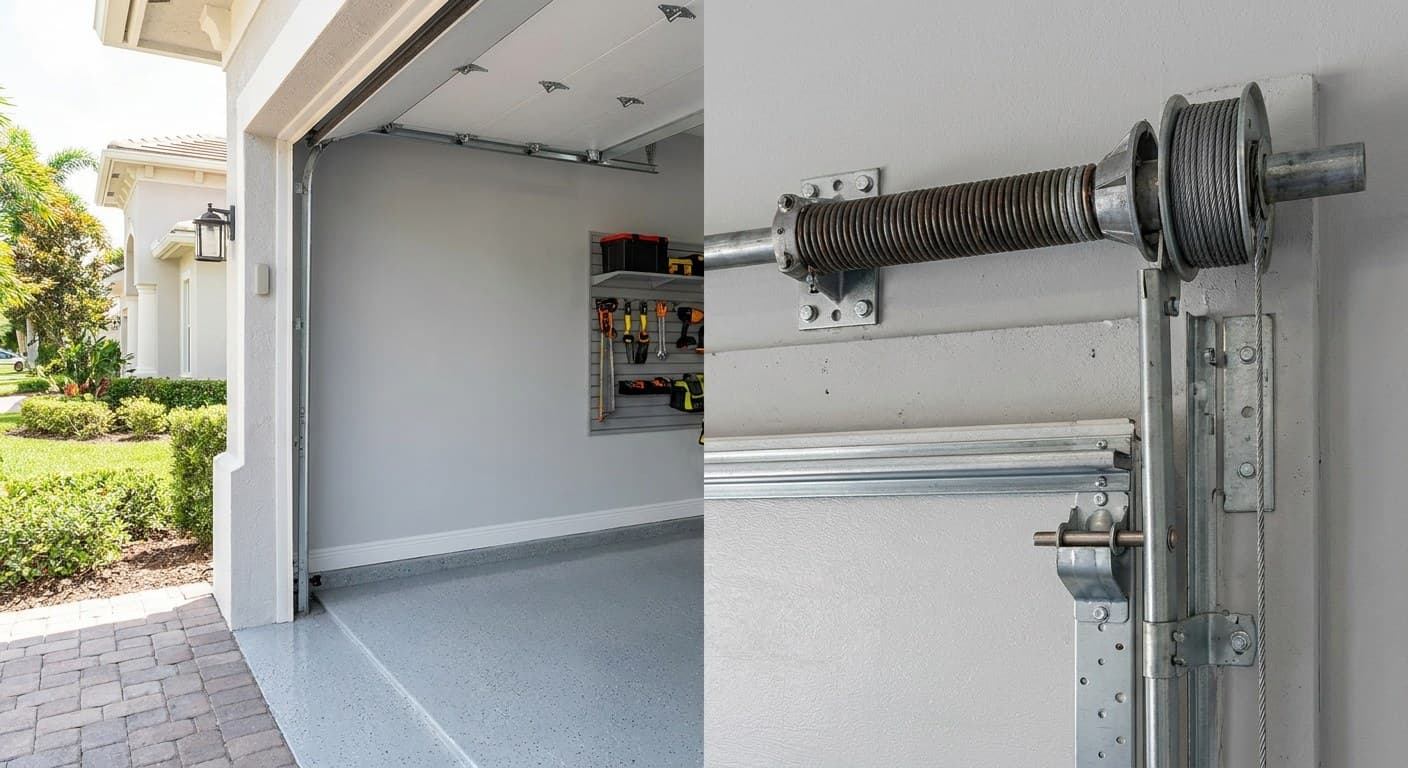
If your door produces a rhythmic metallic squeal that comes from the middle of the wall above the opening rather than from the tracks, the source is nearly always the center bearing plate — the bracket that supports the spring shaft where it crosses the header, and the only bearing on the door carrying rotational load all day.
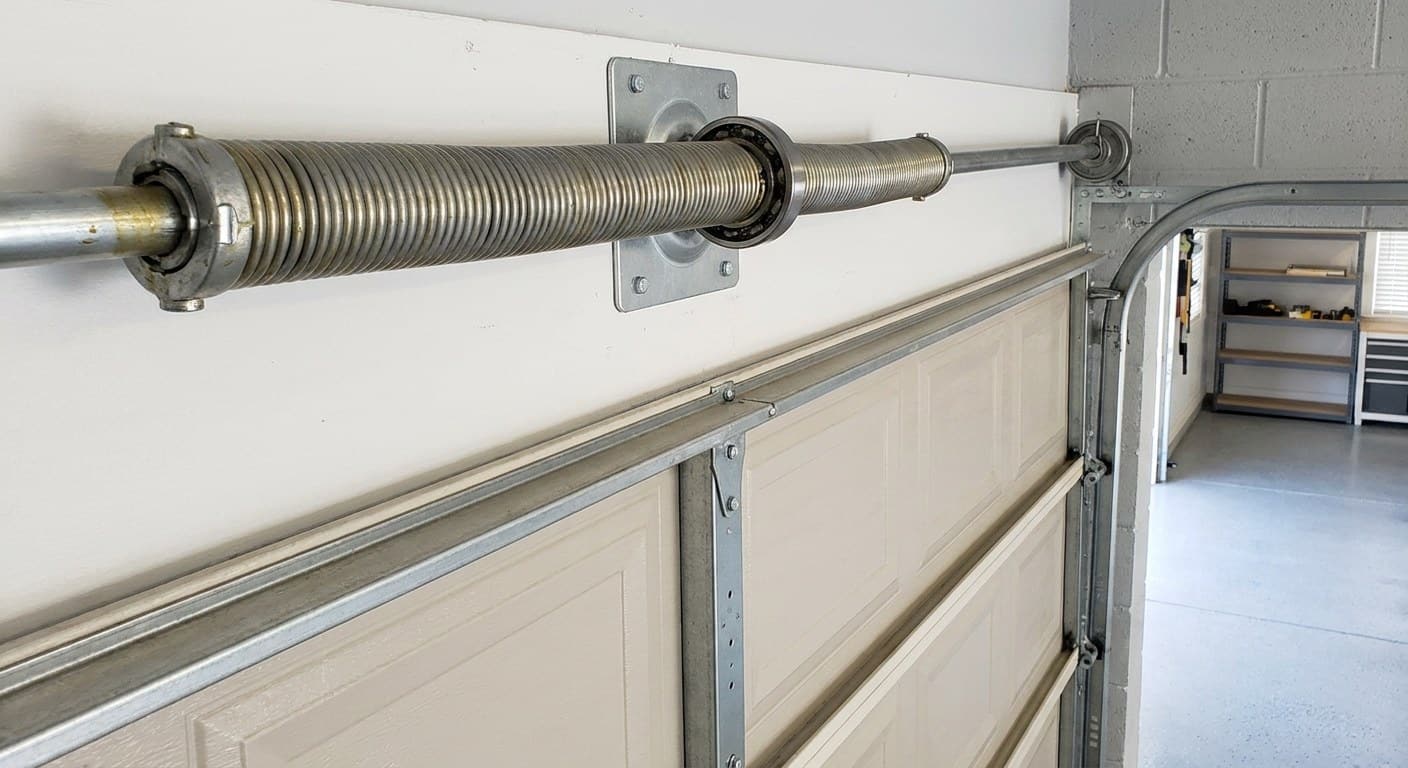
Three facts about the center bearing
It carries the shaft
between the two springs
It squeals in one place
that is how you find it
It is a cheap part
and a costly thing to ignore
How a center bearing fails
The bearing itself
A dry or pitted race squeals and then binds
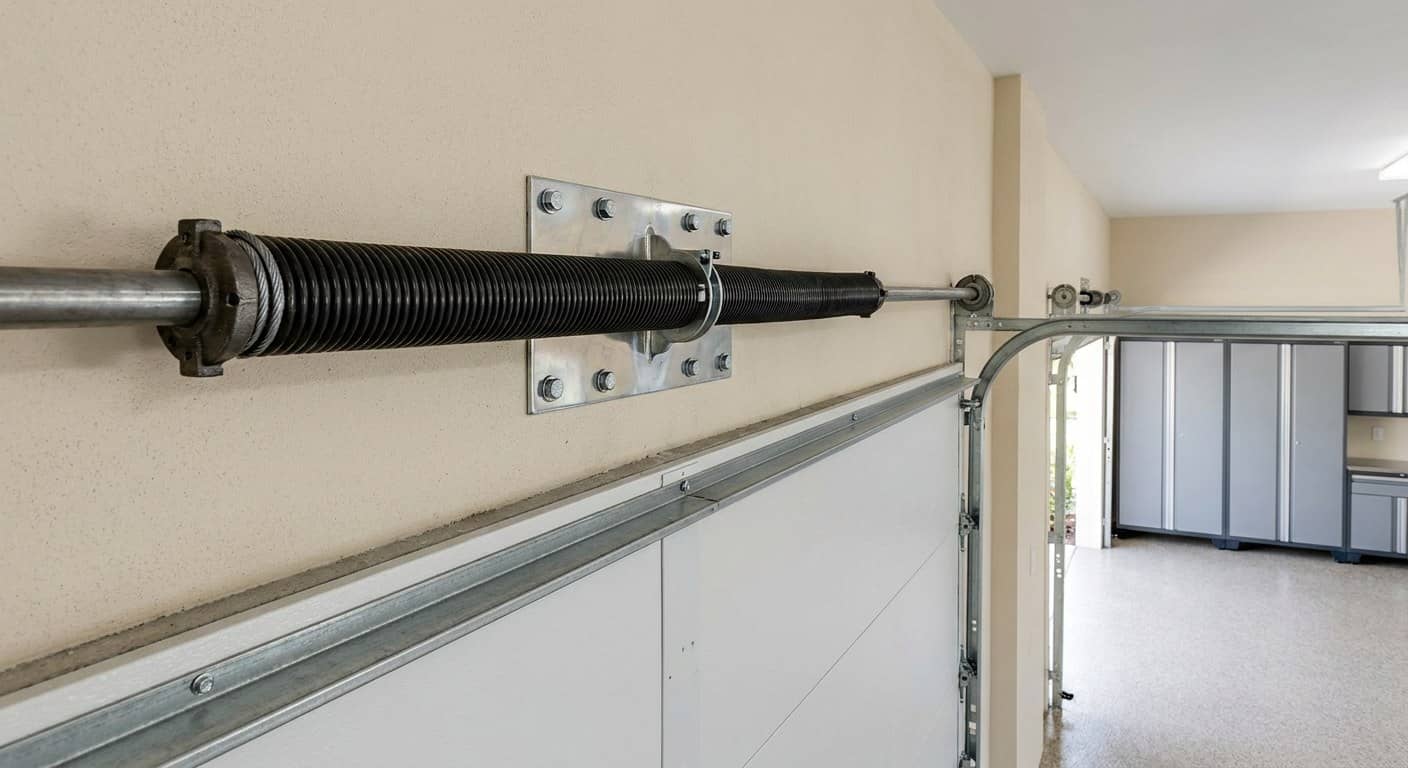
The bearing plate
Bolted to the header, it takes the shaft load
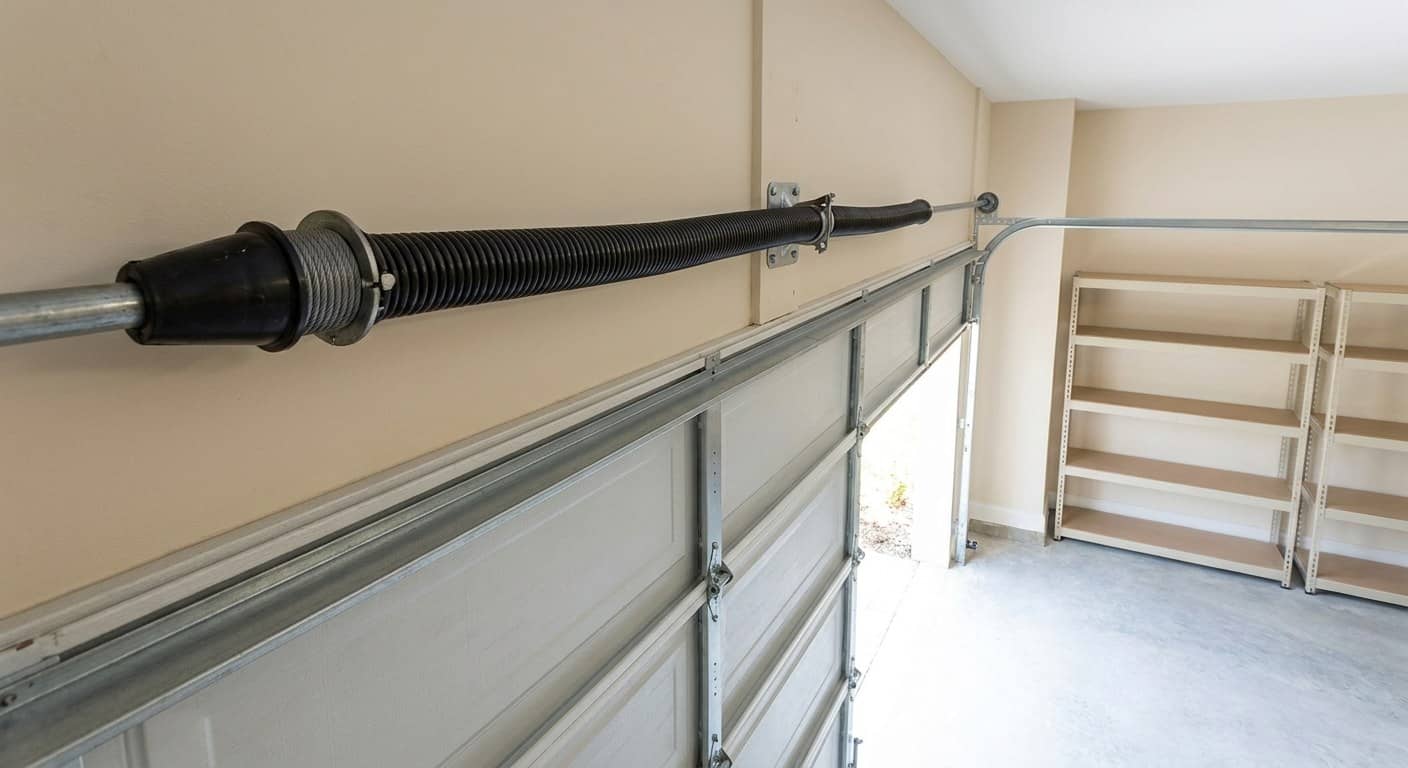
End bearings
The same failure at the ends, next to the drums
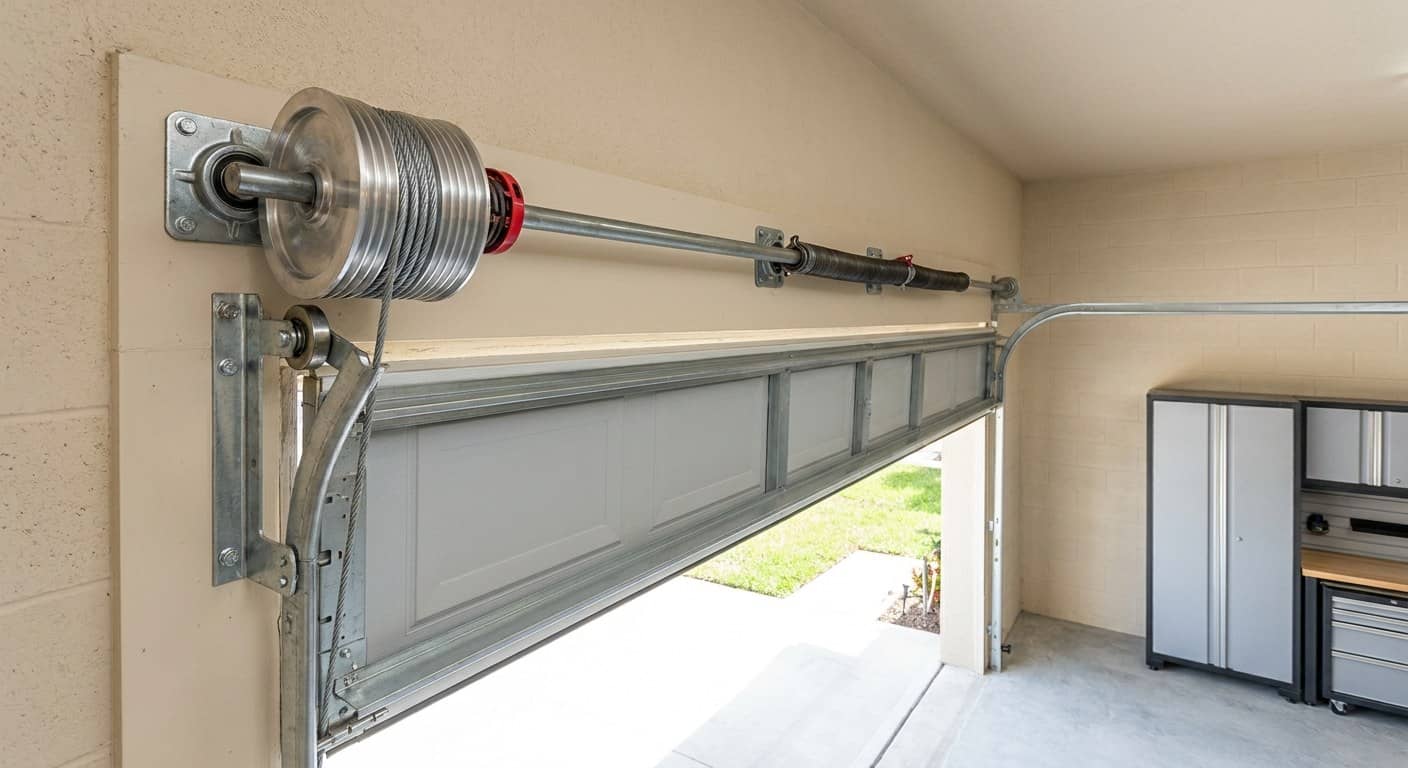
Corrosion
Open races collect salt film and grit here
Center bearing symptoms
| Symptom | What it means | Urgency | Next step |
|---|---|---|---|
| Squeal from one fixed point | A dry bearing race | Routine | Replace it, do not just oil it |
| The shaft moves up and down | The bearing has worn oval | Soon | Replace before it damages the shaft |
| The bearing plate is warm after use | Friction where there should be rolling | Soon | Book a service visit |
| Grinding, and the door slows | The bearing is seizing on the shaft | Urgent | Stop cycling the door |
| Springs are being replaced | The shaft is already coming down | Routine | Change bearings in the same visit |
| Near the water, unsealed bearings | Salt reaches the race | Routine | Ask for sealed bearings |
Why South Florida hardware wears out sooner

1
bearing at the header carries the shaft
Fixed
noise from one point means a bearing
Shaft out
required, so the spring must be unwound
More detail if you want it
How to place the noise before anyone opens anything
Have someone cycle the door while you stand inside, away from the panels, and listen for where the sound originates rather than where it echoes. Track noise moves with the door and changes as rollers pass the curve. Bearing noise stays fixed at one point on the wall and rises and falls with shaft speed, which means it is loudest in the middle of the travel and quiet at both ends.
Confirm it by hand with the door closed and the opener disconnected. Grip the shaft next to the bearing plate and try to move it up and down. A sound bearing holds the shaft with no perceptible play. A worn one lets it knock in the race, and you will feel that knock through your palm.
Why spraying it makes the problem worse
The instinct is to spray the squeal and move on. It works for a fortnight, and it does real damage in the meantime: a light penetrating spray thins whatever grease remains in the race and carries abrasive dust into it, so the bearing runs quiet while wearing faster than before. The noise returns louder, and by then the shaft journal is scored too.
In a coastal garage there is a second reason to replace rather than treat. Once salt has reached the race, the corrosion continues under any lubricant you add, and a bearing that has begun to seize puts side load on the shaft. That load transmits straight into the spring, which is the expensive component in the assembly.
What replacement actually involves
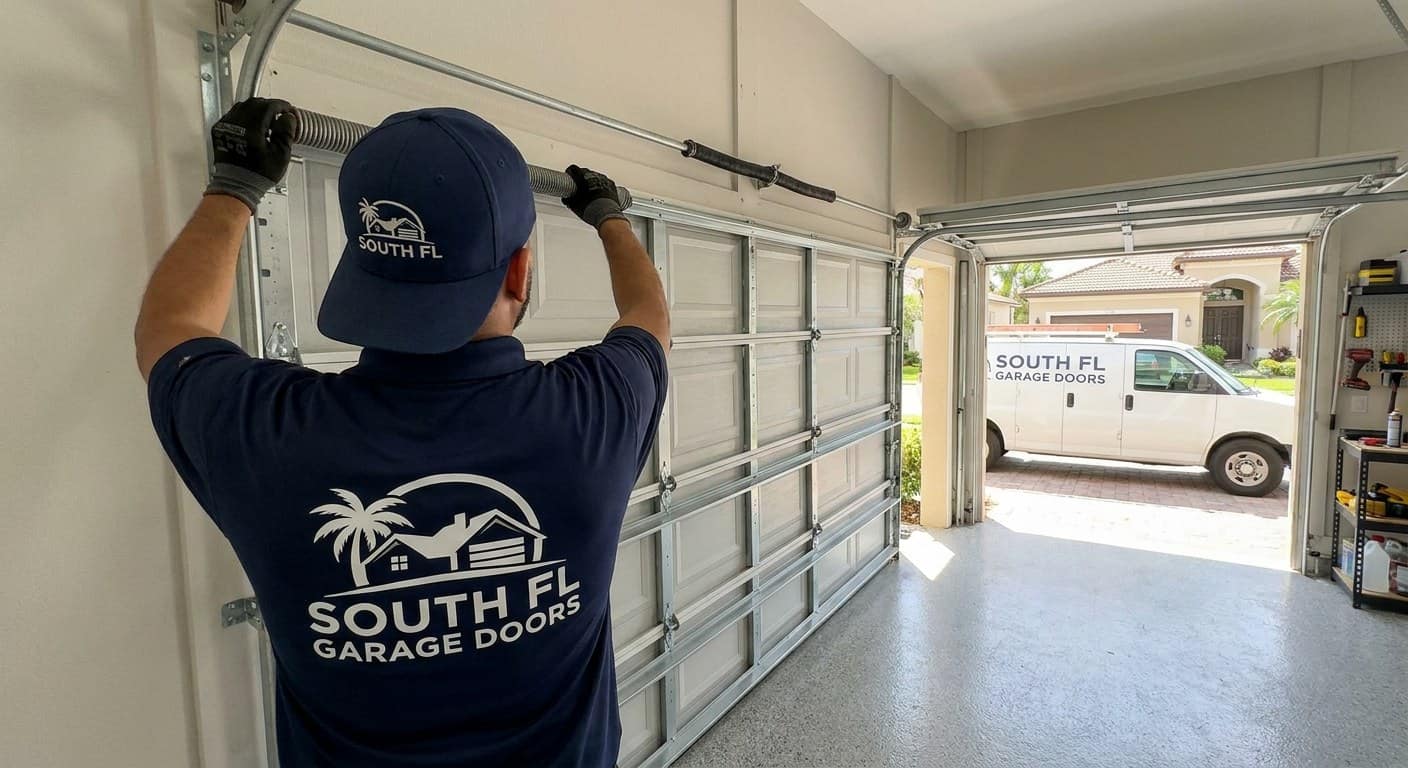
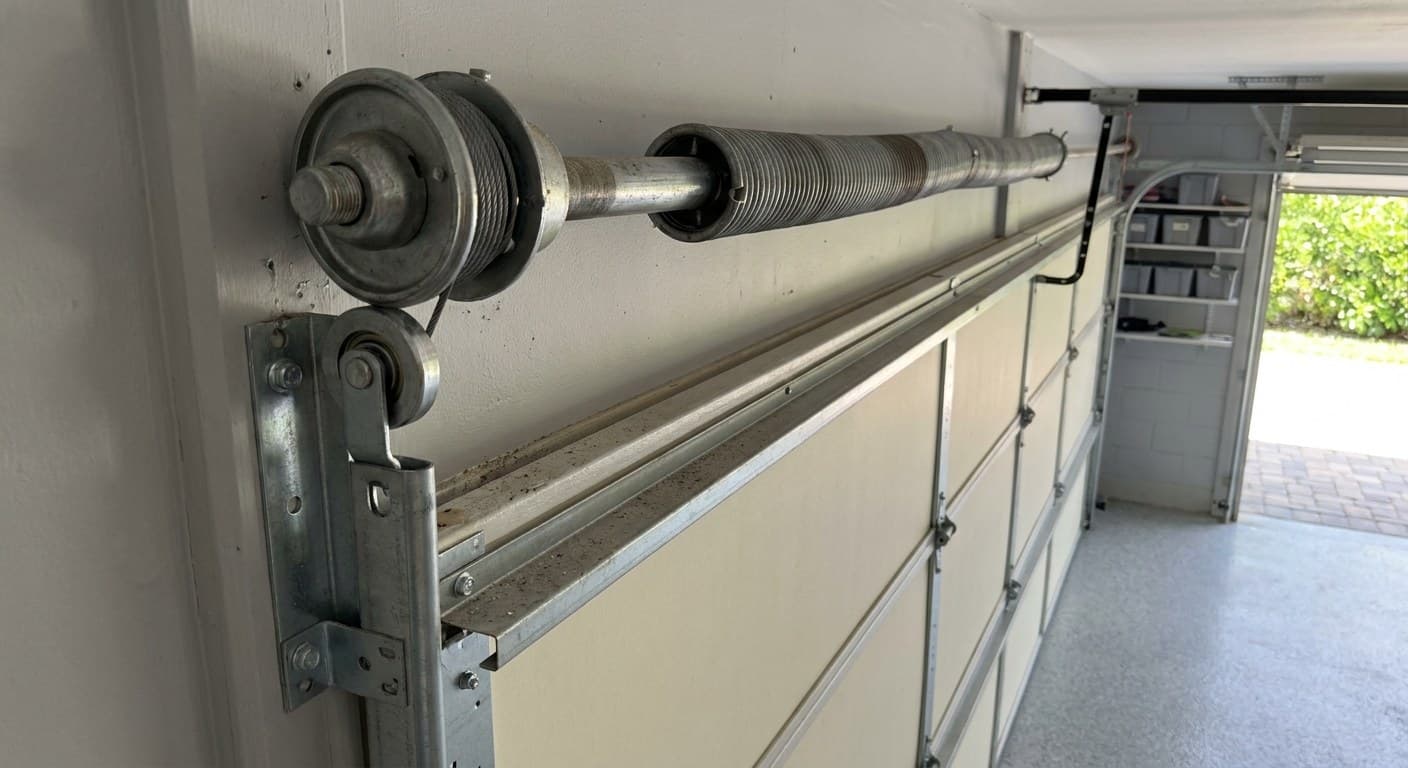
The bearing sits captive on the shaft between the two spring assemblies, so the shaft has to come out to get it off, and the shaft cannot come out while the spring is wound. That is the whole reason a part costing a few dollars carries a real labor charge: unwinding, disassembly, fitting, reassembly, rewinding to the calculated turns, and re-balancing.
Because the shaft is already out, this is the sensible moment to deal with anything else on it. Fitting a bearing while leaving worn end bearings or a corroded cable in place means paying that same disassembly labor again within a year or two.
The bearing above your garage door: common questions
Can a garage door center bearing be greased instead of replaced?
Greasing a center bearing buys quiet rather than life, and a sealed unit cannot take grease at all.
- On an open race the grease mixes with the grit
- It does not flush anything out
- A rough race only ends with a new bearing
Are the end bearings on a garage door the same part?
The end bearings sit in the spring anchor plates at each side and carry much less load than the center one.
- That is why they usually outlast it
- Worth inspecting during the same visit
- The shaft is already accessible by then
Will a failing garage door bearing eventually stop the door?
A failing bearing rarely stops a garage door outright, and what it does is load the shaft off-axis.
- Spring wear accelerates
- The opener works harder on every cycle
- The failure it leads to costs more than it did
Why does replacing a garage door center bearing mean unwinding the springs?
The center bearing sits on the shaft itself, so the shaft has to come out, and a shaft cannot come out under spring tension.
- Springs unwound with bars, then the plate freed
- Set screws are loosened only after that
- Balance is reset before the visit ends
Sources
- U.S. Consumer Product Safety Commission
- Florida Building Commission — Product Approval
Edited by Avidan Benichay · Updated
General information about garage doors in South Florida — not a diagnosis of your door, and not a quote. Code and prices vary by address and change over time. Terms of use
The parts around it
- Cable drumsA cable drum is the grooved aluminum wheel at each end of the spring shaft that winds the lift cable as the spring unwinds.2drums wound to the same point, or it hangs crooked
 The right lubricantTwo mistakes account for most lubrication damage on residential doors: using a thin penetrating spray as though it were a lubricant, and greasing the tracks.Nevergrease inside the track channel
 Diagnose it by soundA garage door is one of the few machines in a house that tells you exactly what is wrong if you listen to it, because each component fails with its own signature sound.Fixed pointsqueal is rotational, at the shaft
Next step
Not sure which part failed?
Most garage door faults are identifiable from the noise and the way the door moves. Start there — it usually costs less than you expect.
You describe what the door is doing
The noise it makes, how far it travels, whether the opener runs.
We test it on site
Springs, cables, balance, tracks, opener force and the safety reverse.
You get the price before any work starts
Itemized in writing, including the permit when the job needs one.
- 4.9/5 from 300+ local reviews
- Licensed & insured
- Free visit, no obligation