
The opener does nothing
Opener not responding? We find out why before replacing it.
No light, no hum, no movement — or a motor that runs while the door stays shut. Yes, we handle this problem, and most of the time the opener is not what needs replacing.
An opener that does nothing can come from the power supply, the wall control, the remote, the logic board, a stripped drive gear, or a door the opener cannot lift. We test the system on site, name the part that failed, and give you the price before approved work begins.
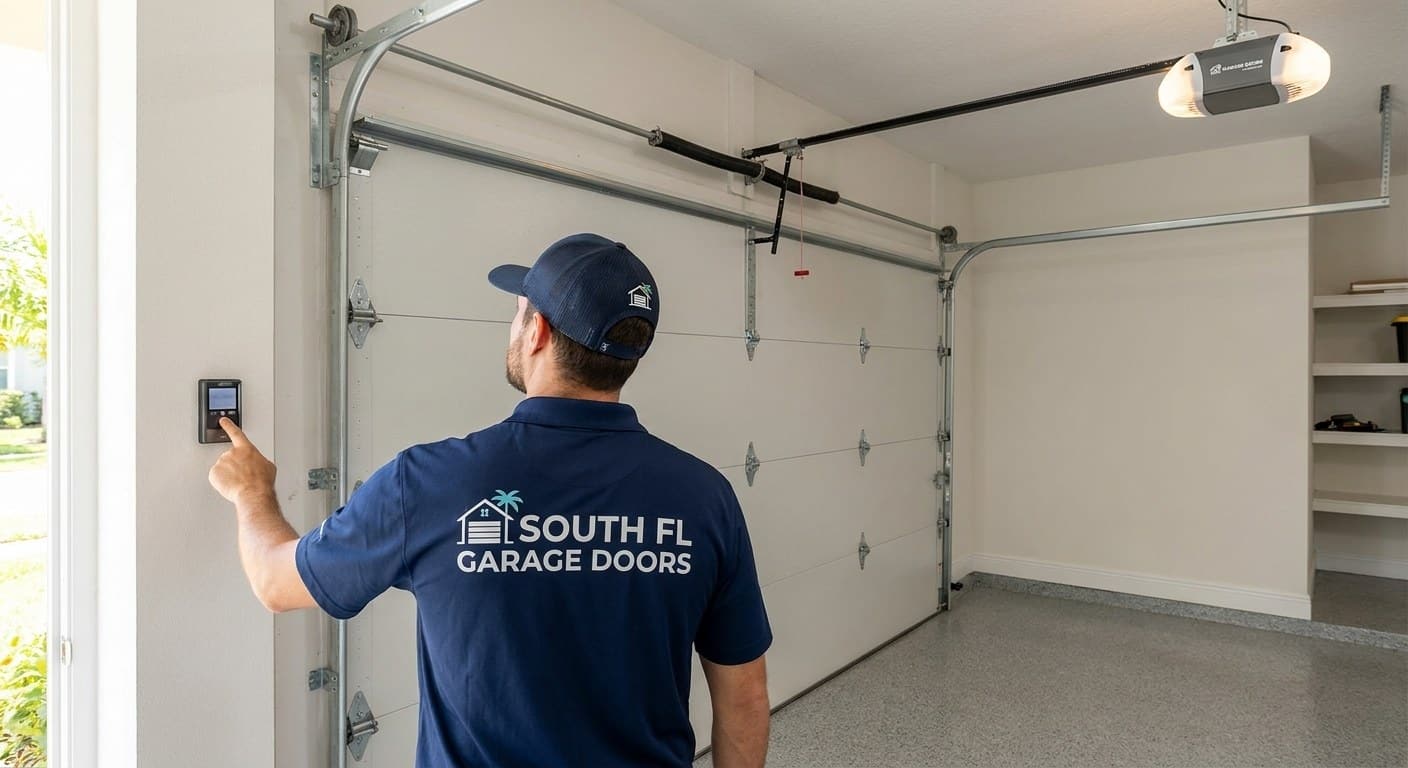
Do not keep pressing the button.
If the motor runs against a door it cannot move, each attempt costs the gear a little more. One test is diagnosis; ten are damage.
Common issue
Power, gear, board or remote
Handled on site
The cheapest cause is checked first
Clear pricing
Before approved work starts
Three counties
Miami-Dade · Broward · Palm Beach
Quick answer
Why would a garage door opener stop responding?
An opener that does nothing is either not receiving power, not receiving the command, or receiving both and unable to act on them.
The most common causes we see
The most expensive answer is a new opener, and it is also the least common one. Four cheaper faults account for most of these calls.
Power supply
A tripped breaker, an unplugged unit, or a dead outlet stops everything before the opener is at fault.
Logic board
A board that has taken a surge answers the remote and does nothing else, which reads as a dead opener.
Stripped drive gear
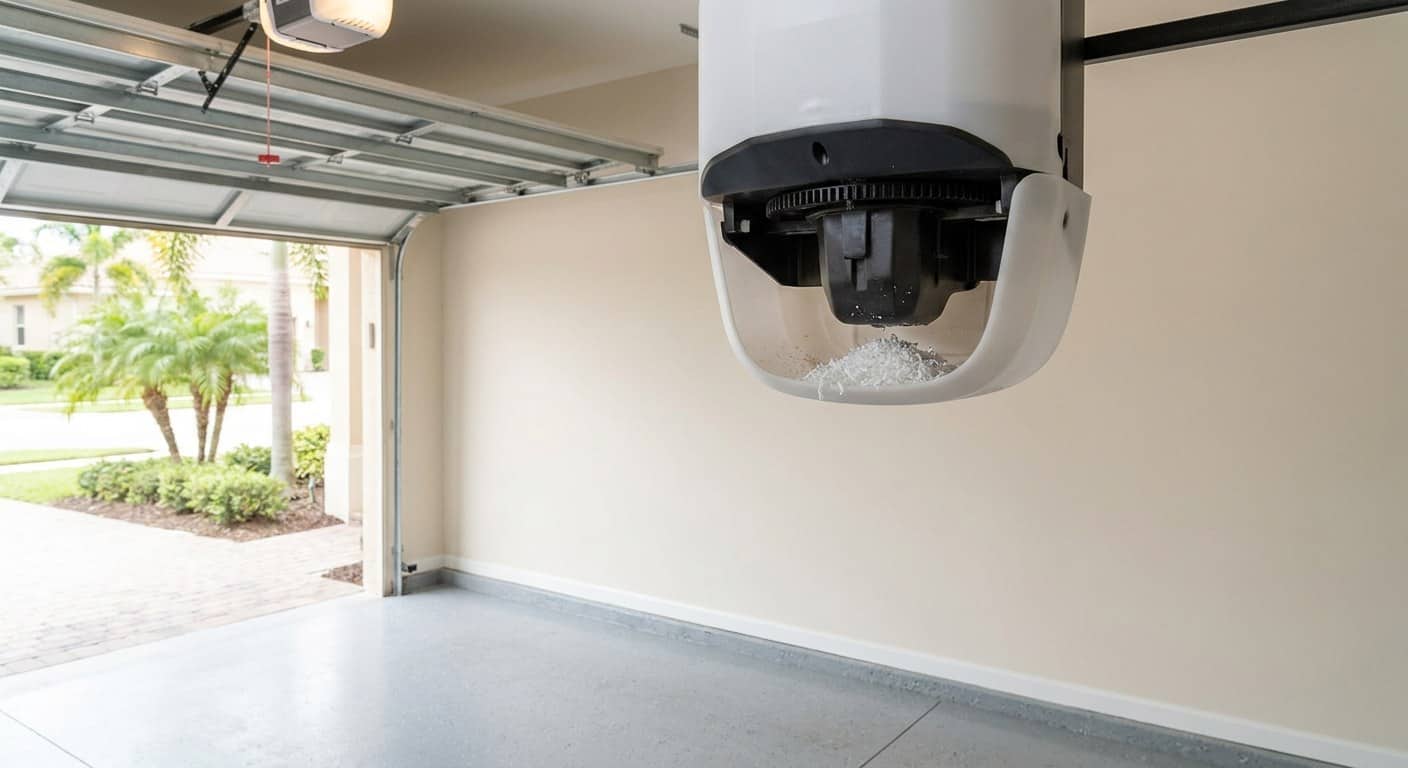
The motor hums, nothing moves, and plastic shavings sit under the housing: a part, not an opener.
Wall control or remote
If one control works and the other does not, the opener was never the problem.
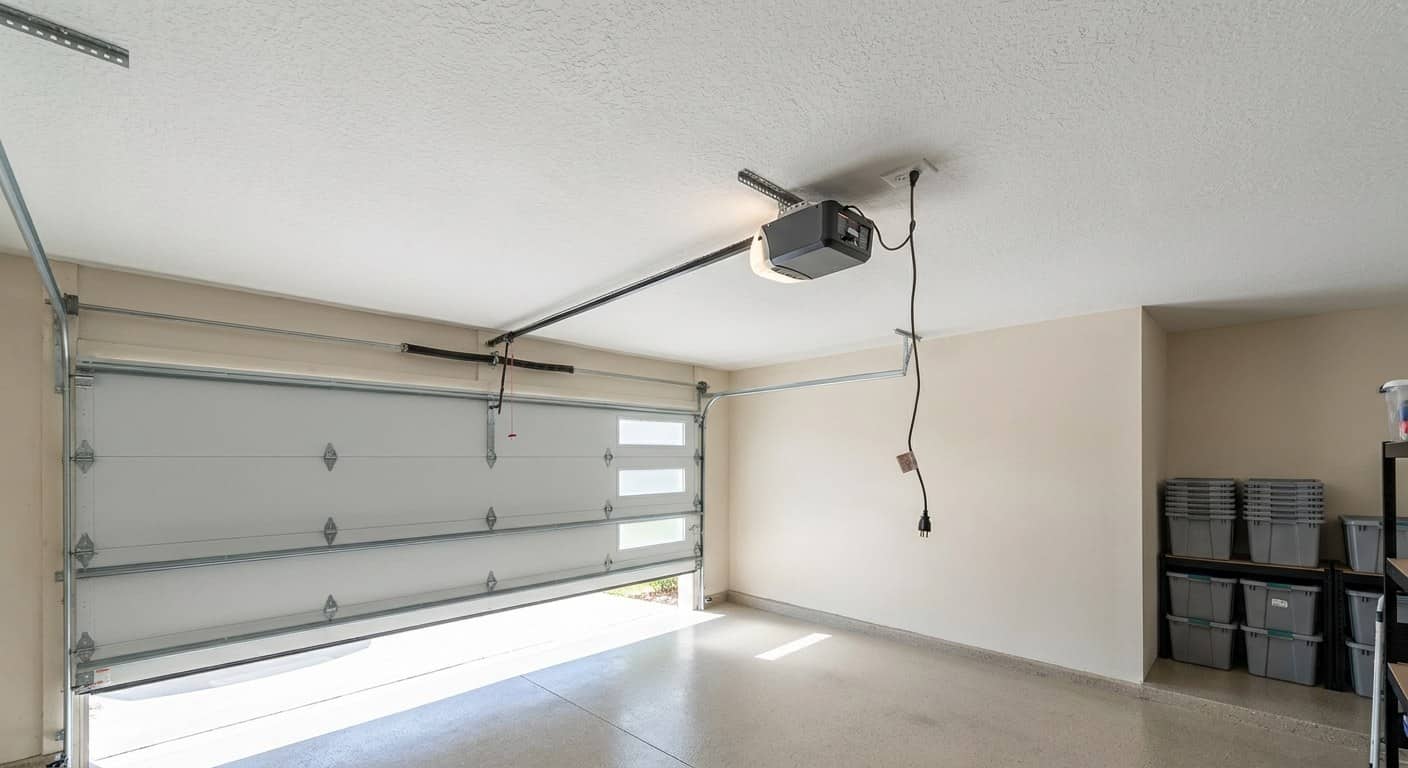
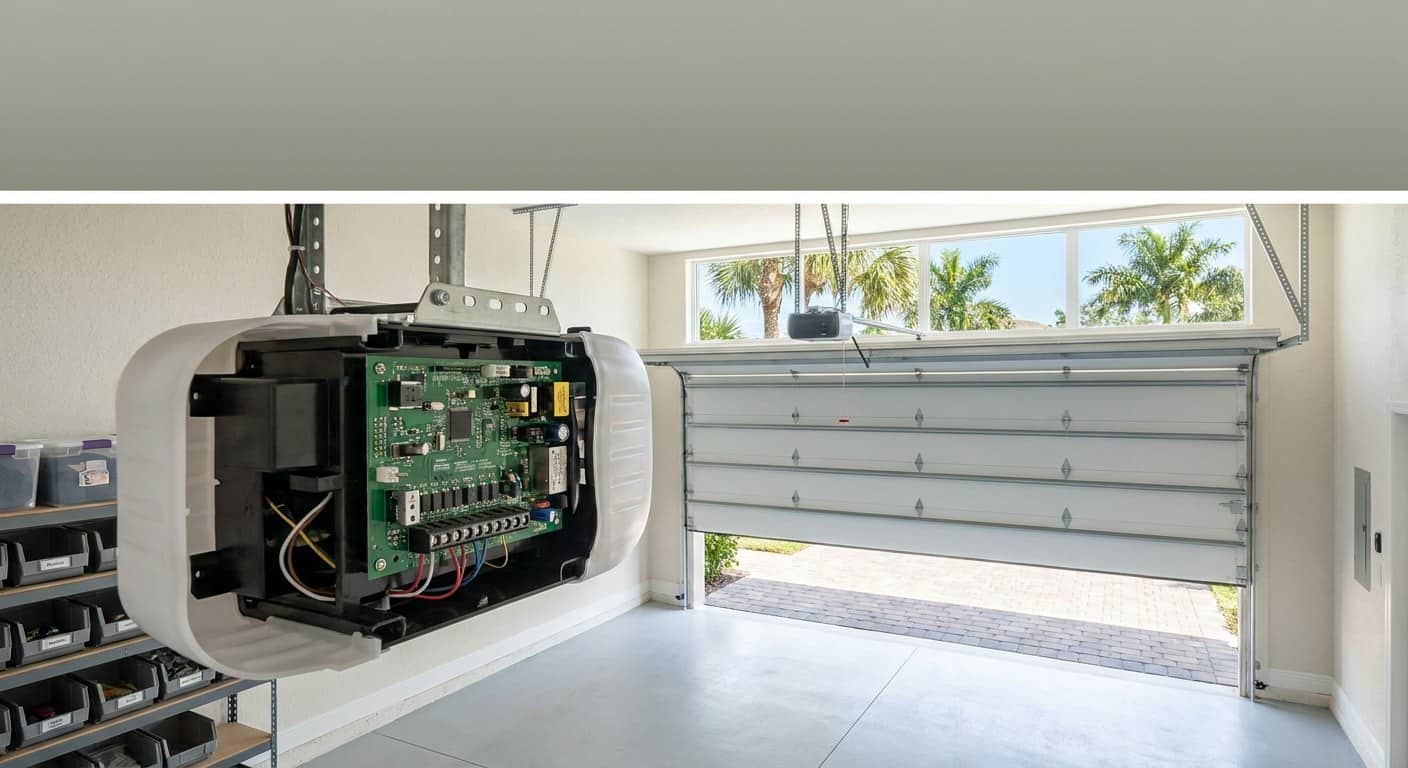
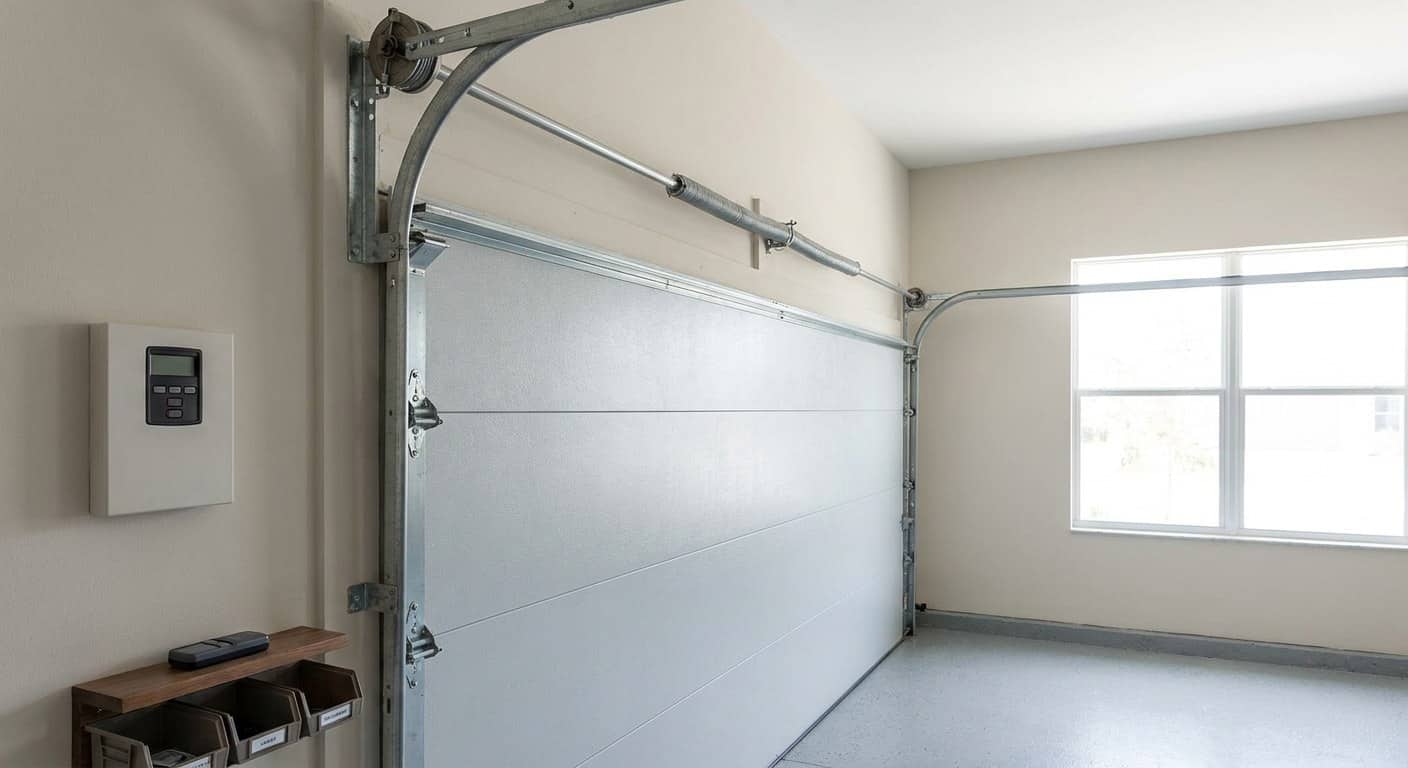
What the problem looks like
Customers usually describe it one of these ways.
These are some of the most common ways homeowners describe the problem.
No light, no sound
Nothing at all usually means the unit has lost its supply rather than its mind.
It hums but nothing moves
The motor is energized and turning nothing: the gear or the trolley has given up.
The wall button works, the remote does not
Two controls, one answer: that is a remote or a receiver, never the motor.
It worked, then stopped after a storm
A surge takes the board first, and it is the one failure that arrives with a date.
What we check on site
Cheapest cause first. Then the real one.
We work up from the outlet, not down from the price list. Half of these calls end at something that costs nothing to put right.
Supply and outlet
Breaker, plug and outlet, tested before anything is opened.
Wall control and remotes
Which control works, which does not, and whether the receiver still hears either.
Logic board and terminals
Whether the board answers, and whether the low-voltage terminals are still live.
Drive gear and trolley
Shavings under the housing, and whether the trolley is engaged with the door arm.
Safety devices
Some openers refuse to move at all when the sensors report a fault.
Door balance
An opener asked to lift an unbalanced door fails like an opener with a fault.
Opener still not responding?
Book a diagnostic visit or call now and we'll take it from there.
Likely repair paths
What the fix often turns out to be.
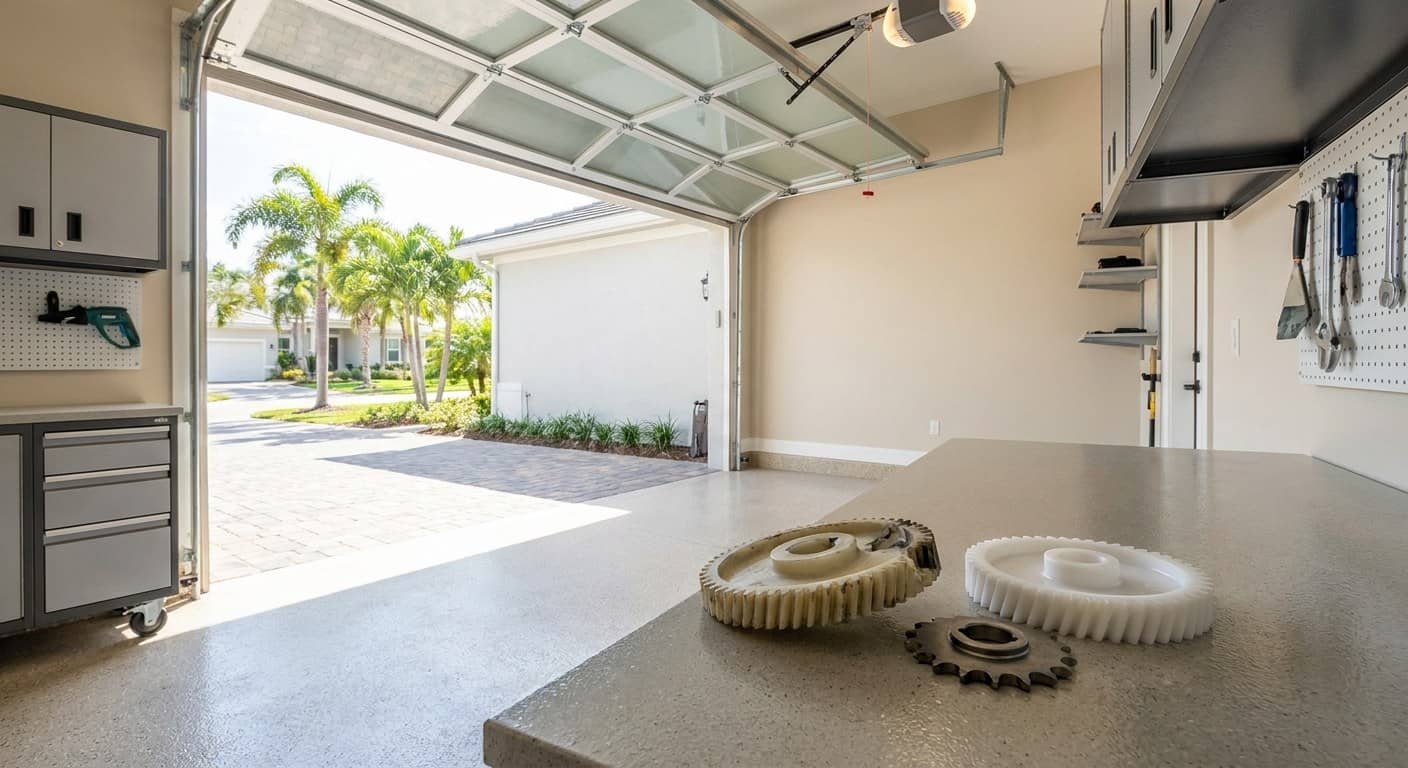
Drive gear replacement
The motor hums and turns nothing. The gear is a part, and the repair is usually a fraction of a new opener.
What gear service can include
- Gear and sprocket kit replacement
- Drive shaft and housing inspection
- Rail and trolley check
- Travel and force reset after the repair
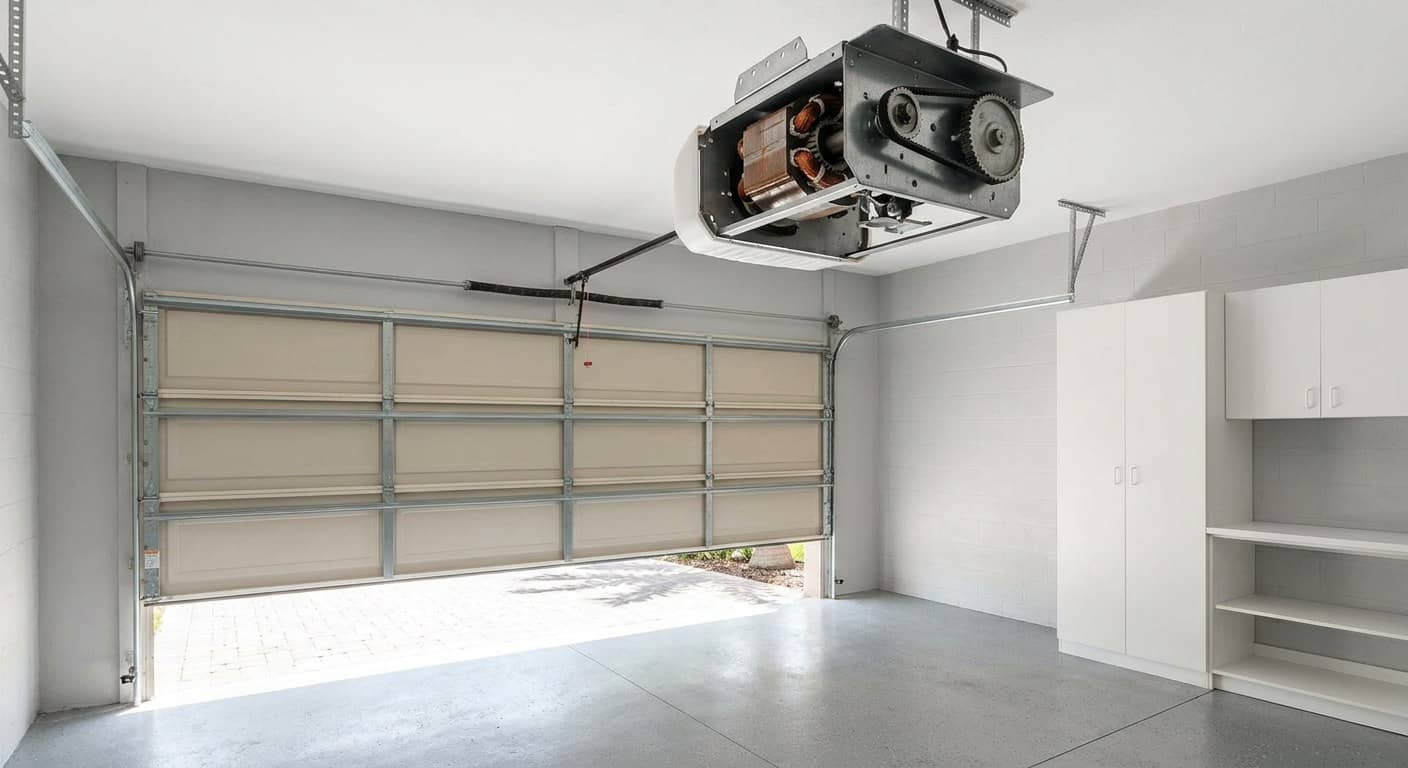
Opener repair or replacement
When the board or the motor has gone, we say which, and what each option costs before anything is ordered.
What opener service can include
- Logic board diagnosis and replacement
- Motor and capacitor testing
- Full unit replacement sized to the door
- Safety device installation and test
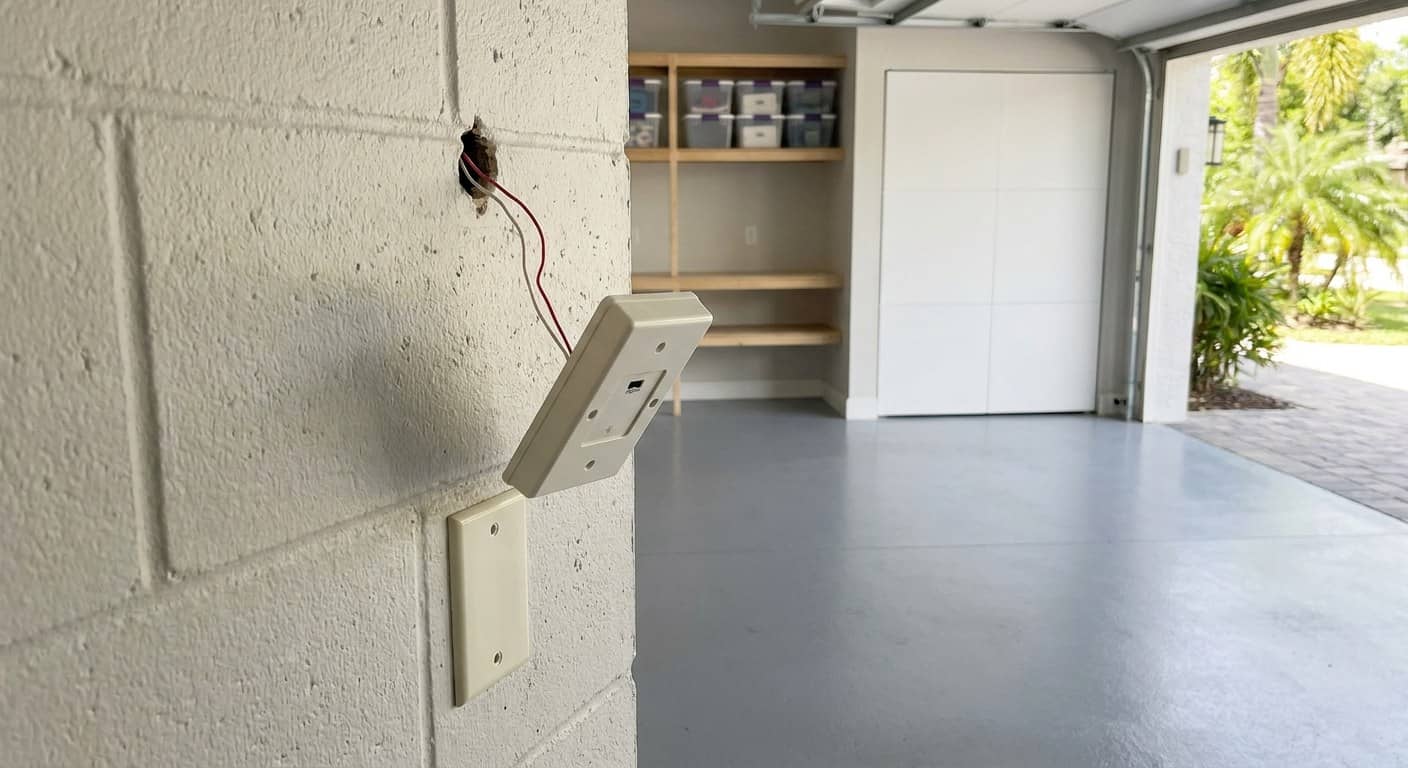
Controls and receiver work
The least expensive thing on the wall, and the first suspect when only one control answers.
What control service can include
- Wall control replacement and rewiring
- Remote pairing and battery replacement
- External keypad installation
- Receiver antenna inspection
No surprises
How the visit goes
Simple process, clear diagnosis, and no surprises before work starts.
- 01
You tell us the door won't open
Describe what the door is doing. You do not need to know the technical name of the failure.
- 02
We inspect and identify the cause
We test the system on site and show you the component or condition that is actually stopping the door.
- 03
You get the price before work starts
If you approve the work, we proceed. If not, you still have a clear diagnosis and next step.
Why South FL Garage Doors
Local, licensed, and ready to help.
Local, licensed, and used to this problem.
We have been serving South Florida homeowners since 2014 with repair, opener, spring, track, and emergency garage door service.
Since 2014
Serving South Florida homeowners
FL License 25BS00124
Licensed & insured
3 counties
Miami-Dade · Broward · Palm Beach
Free diagnostic visit
No obligation
Typical repair ranges
What the price often depends on
The exact price depends on the failed component, the condition of the door, and the repair required.
- Opener repair (board or capacitor)$175–$300
- Garage door opener, supplied and installed$380–$1,400
- Annual tune-up and safety check$100–$240
- Rollers or track repair$75–$350
These are published market ranges for South Florida, not a quote. The failed component and the condition of the door decide the final price.
3
unrelated faults share this one description
Shavings
under the head mean a stripped drive gear
Balance
is the real fault behind an early gear failure
More detail if you want it
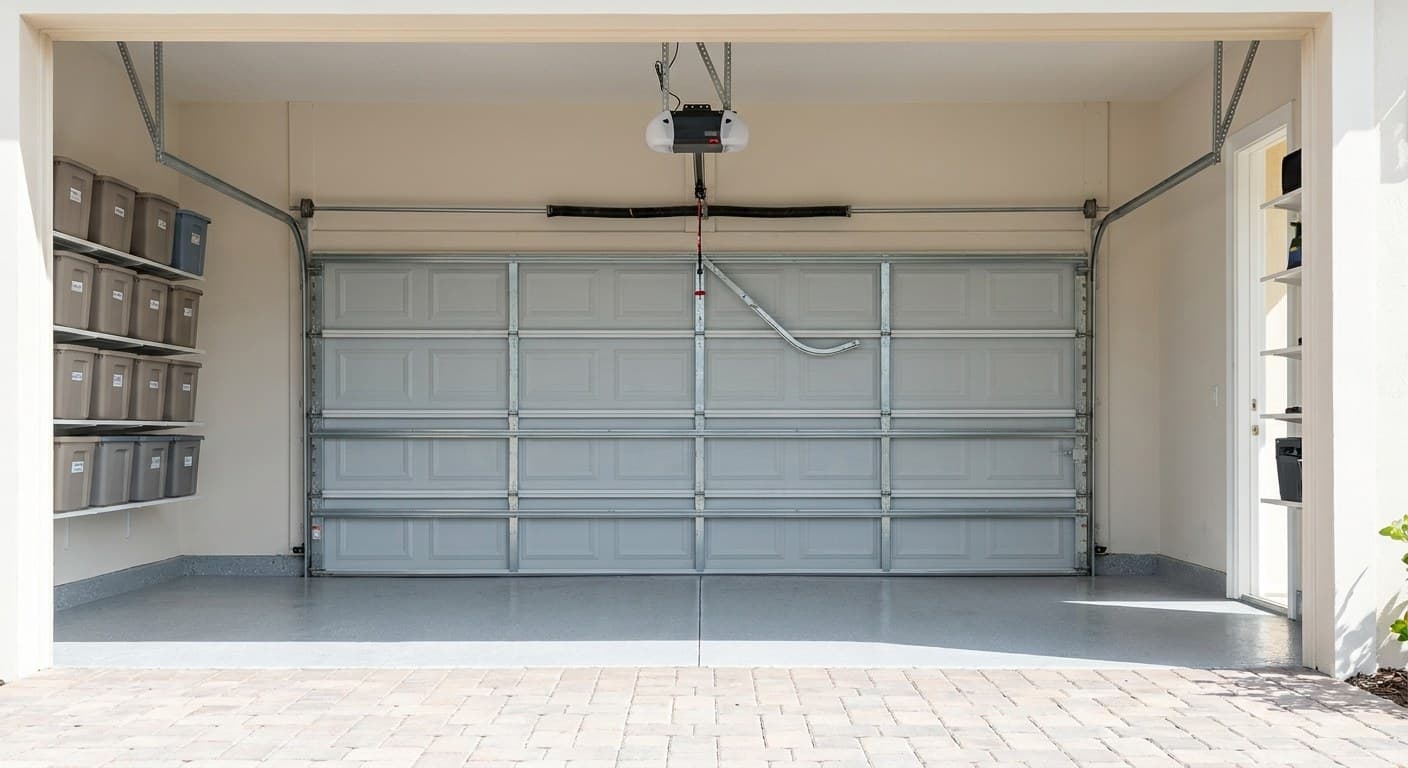
The carriage travels but the door stays shut
Watch the rail while someone presses the button. If the carriage slides smoothly from one end toward the other and the door never moves, the trolley is simply disconnected — the arm that links it to the top of the door is no longer latched. This is the most common of the three and the only one that needs no parts at all.
It happens after a power cut when somebody pulled the release to get a car out and never re-engaged it, and it happens after a hurricane week when a door was manually secured. Re-latching takes seconds: close the door fully, push the release lever back toward the motor, then run the unit once so the carriage recaptures the arm.
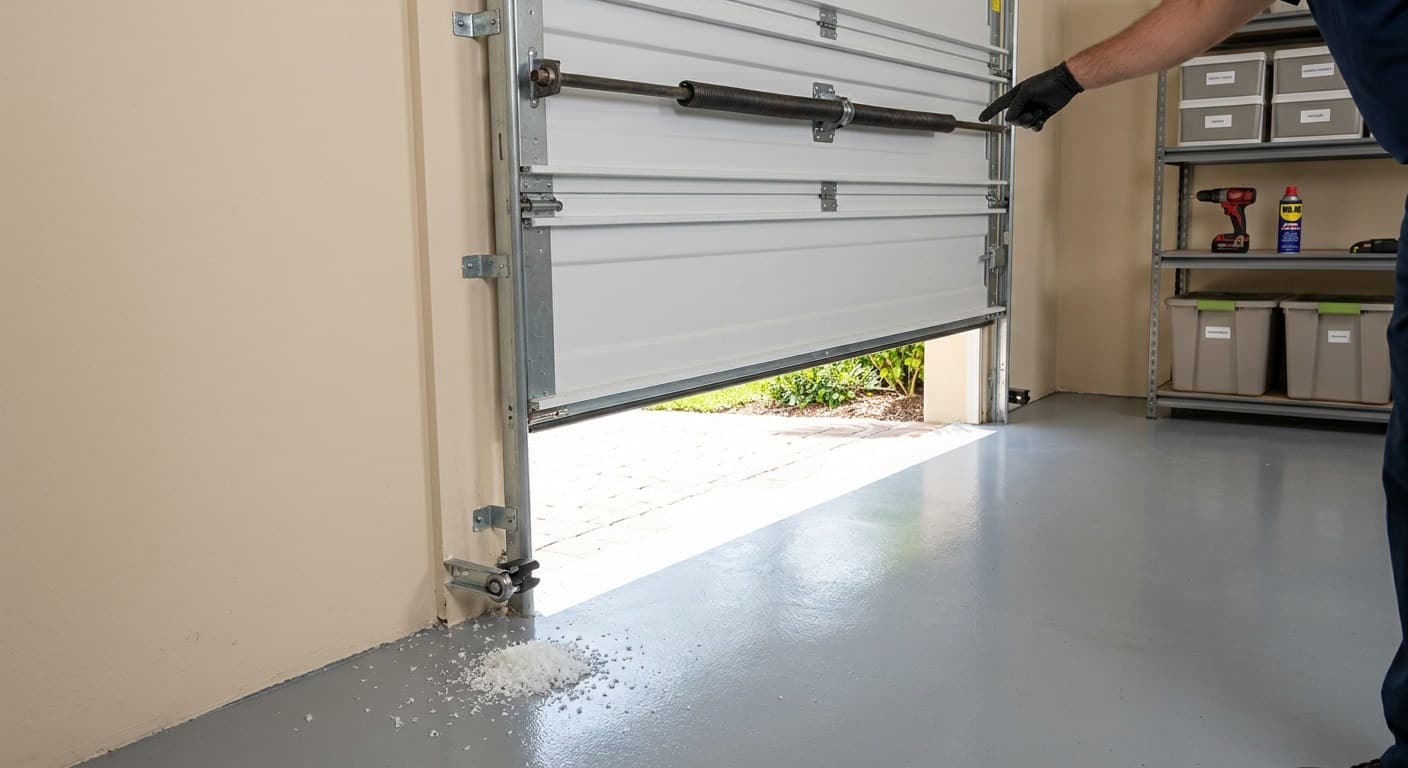
Humming, grinding, and a small pile of white shavings
A motor that hums or grinds while nothing on the rail moves usually has a stripped drive gear. On chain and belt units the plastic gear that meshes with the worm shaft is a deliberate weak point — it is designed to fail before the motor does. The diagnostic sign is unmistakable once you know it: fine white or gray plastic shavings on the floor directly beneath the opener head.
A gear kit is inexpensive, but it is worth asking why it went. Gears strip early on doors that are out of balance, because the opener has been compensating for weight the springs should have been carrying. Replacing the gear on an unbalanced door buys a few months and then the same failure returns — the balance is the actual fault.
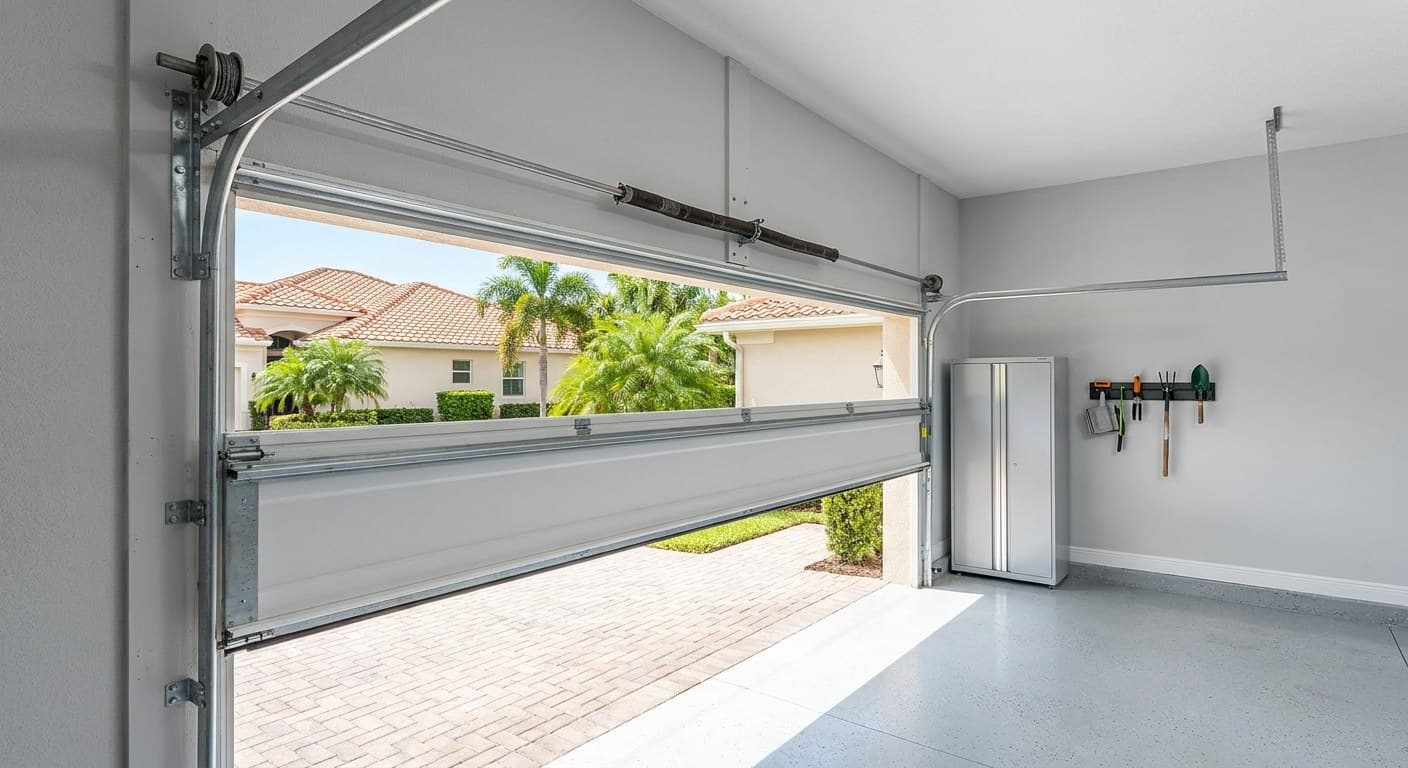
Nothing at all: power, surges and the Miami summer
No lights, no sound and no response from the wall control points upstream of the opener. Check the outlet with something else plugged into it before assuming the unit has died, and check the breaker — garage circuits often share with exterior outlets, so a failed pool pump or pressure washer can take the opener down with it.
Logic boards die here for a reason worth naming: this is a region of frequent lightning and frequent utility switching, and an opener plugged straight into an unprotected outlet takes every surge the circuit sees. A unit that stopped working during a summer storm, with no mechanical symptom at all, has usually lost its board. A surge protector on that outlet costs a fraction of the board it protects.
Openers that hum, click or do nothing: your questions
Is a garage door opener worth repairing, or better replaced?
A gear kit or a control board on a garage door opener under roughly ten years old is usually worth doing.
- Older heads lack rolling-code security
- Boards and gears for discontinued models are scarce
- A heavier approved door may need more capacity
Past ten years the case for replacing grows quickly, and what usually decides it is parts availability rather than the fault itself.
The opener light comes on but the garage door does not move. What does that rule out?
A working opener light rules out the power supply and most of the control board, because both are driving that lamp.
- The plastic drive gear inside the head
- The coupler between motor and worm shaft
- The trolley latched to the door arm
That leaves the drive train, which narrows the visit to three parts before anybody arrives.
Can a hurricane-rated garage door burn out an opener?
A heavier approved garage door can overload an opener that was sized for the lighter door it replaced.
- An underpowered head runs at its limit every cycle
- Early gear failure is the usual first sign
- Sizing to the door's real weight, not the old one
Can a garage door be opened while the opener is dead?
A garage door can be opened by hand through the manual release, provided the door is sound and its springs are intact.
- Pull the release with the door fully closed
- It should feel light and stay put when released
- Heavy or falling: stop, the opener is not the fault
Neither the wall button nor the remote moves the garage door. Where does that point?
When both controls are dead the fault sits upstream of both, at the power supply, at the lock feature or at the board.
- The wall button is hard-wired, so test it first
- A vacation lock left engaged on the wall control
- A shared garage circuit tripped at the breaker
Garage circuits here often share with exterior outlets, so a wet receptacle on the far side of the house can be what stopped the opener.
Sources
- U.S. Consumer Product Safety Commission
- Florida Building Code (ICC)
Edited by Avidan Benichay · Updated
General information about garage doors in South Florida — not a diagnosis of your door, and not a quote. Code and prices vary by address and change over time. Terms of use