
Commercial doors
Commercial Garage Doors in Miami
A commercial door is specified by use as much as by size.
Rolling steel, sectional or high-cycle: what fits a bay is decided by how many times a day it opens, not by how wide it is.
Downtime is part of the scope, because a bay that cannot open costs more per hour than the repair does.
- Serving South Florida since 2014
- Licensed & insured · FL Lic. 25BS00124
- Free diagnostic visit
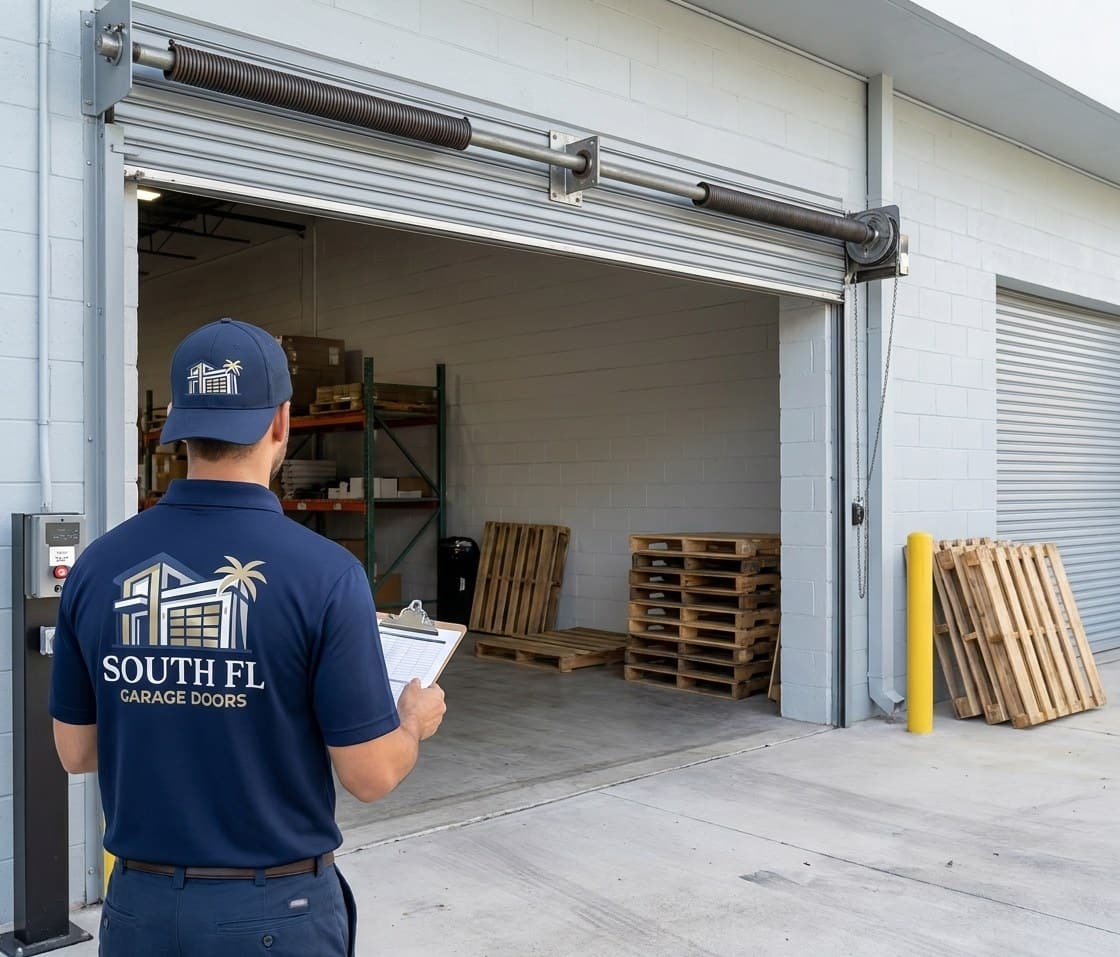
What you get
Sized to the traffic, serviced on a schedule.
Two identical openings with different traffic need different doors, and the difference shows up in year two.
The duty cycle is counted, not guessed
How many times a day the bay opens is the number that chooses the operator.
The springs are matched to it
High-cycle assemblies cost more once and far less over the life of the door.
Service is scheduled, not reactive
A schedule agreed in advance turns an emergency into an appointment.
The first visit
What the survey establishes at a bay.
Five things, and only one of them is a dimension.
- How many cycles the door runs on a normal day
- What passes through, and how tall it is
- Whether the bay stays closed between uses
- What the opening is built of, and its headroom
- What an hour of downtime costs the operation
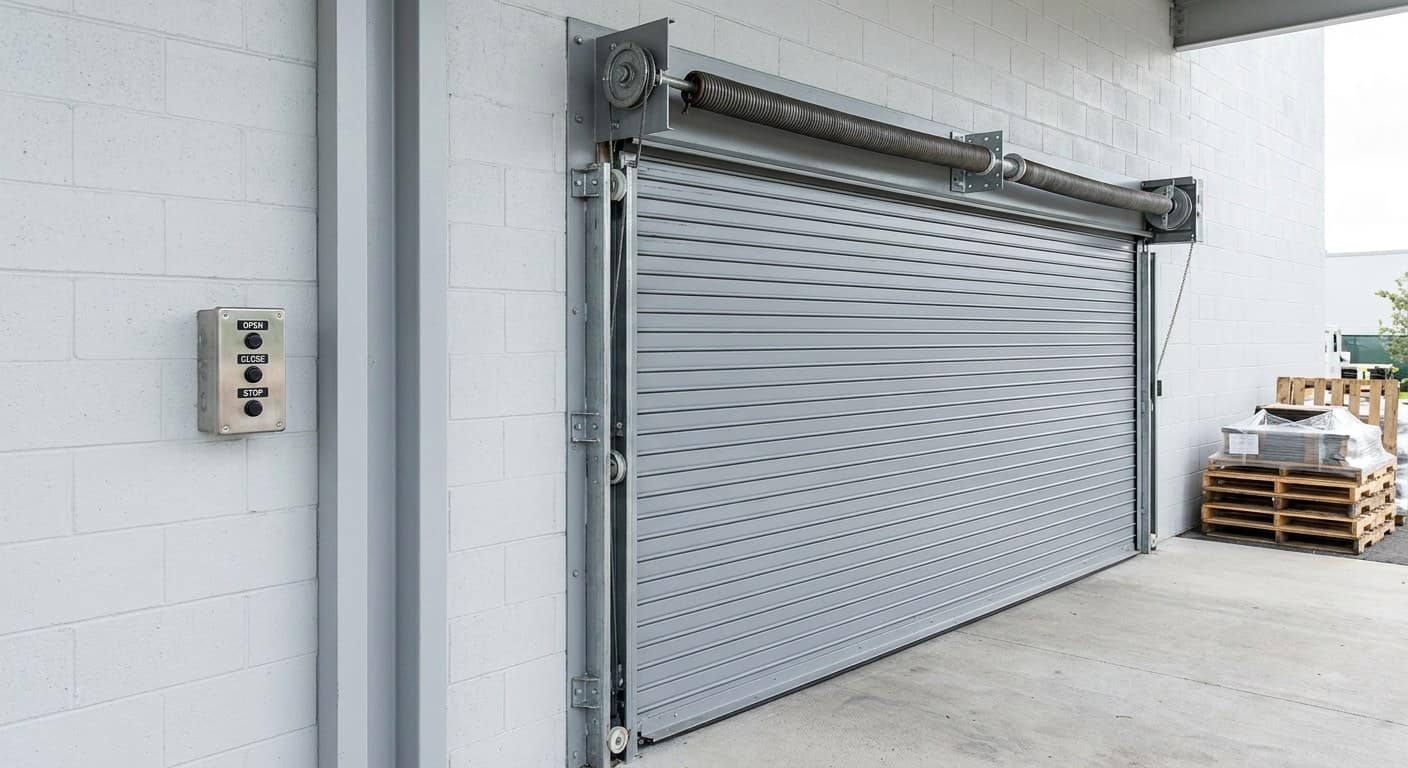
How it is installed
Operators and hardware have to match the duty cycle.
An operator specified for ten cycles a day fails quickly at forty, and it fails during business hours.
The operator is rated, not adapted
Commercial operators carry a duty rating. A residential unit on a bay is a scheduled failure.
The safety devices are inspection items
Photo eyes, edges and reversing devices, tested and recorded rather than assumed.
The schedule is written down
Intervals agreed against your traffic, so parts are changed before they stop the bay.
What it can look like
Three door types, three kinds of bay.
The choice follows the traffic and what the bay does between uses.
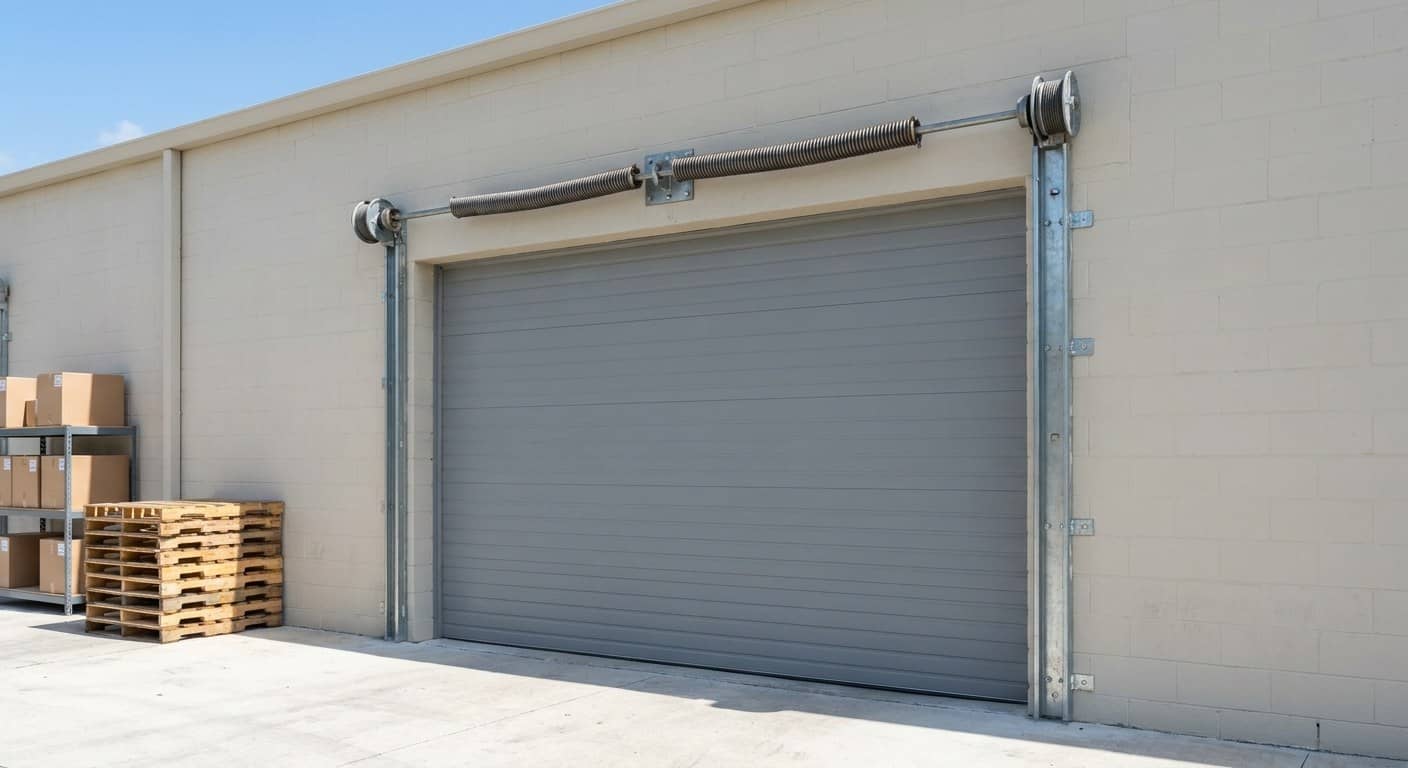
Insulated sectional
Suits a bay that stays closed, where temperature and noise matter.
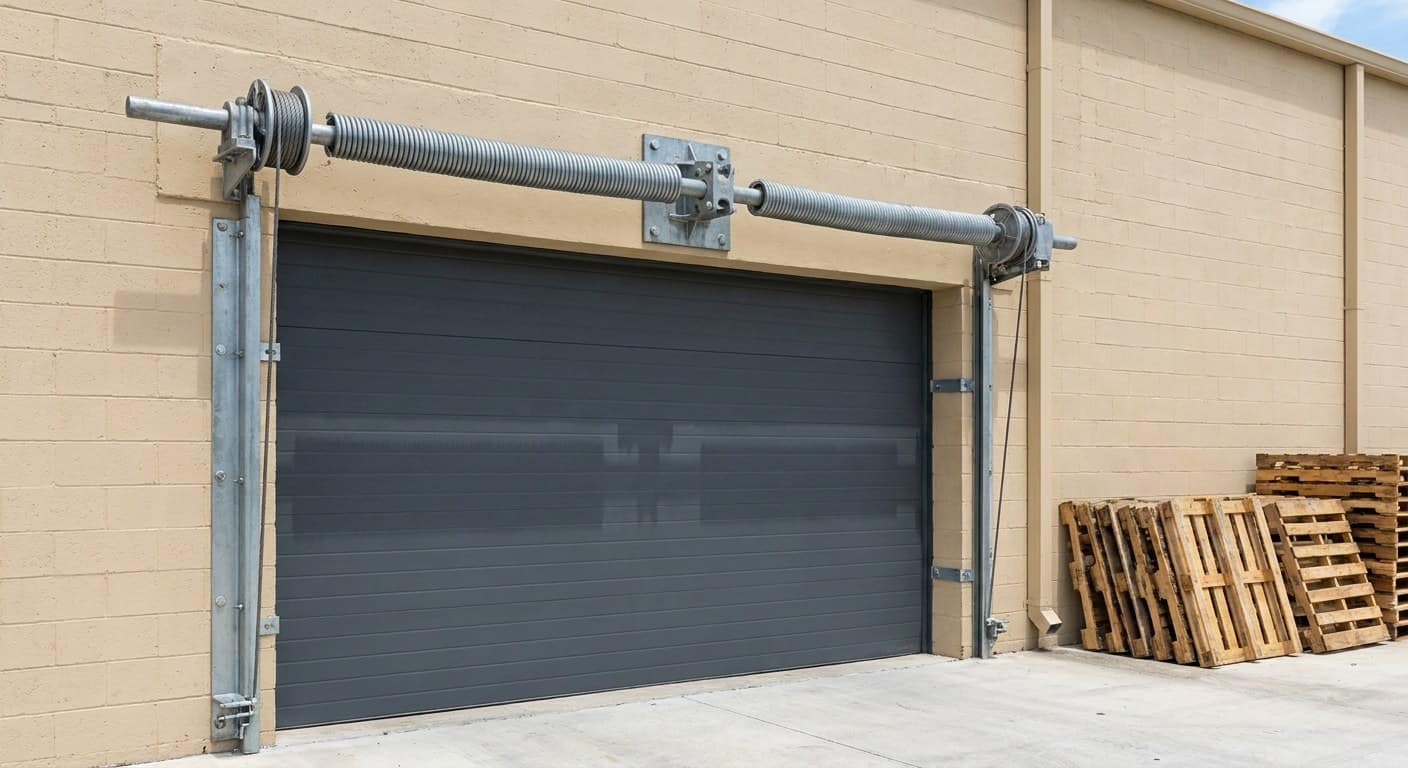
High-cycle springs
The single change that most affects total cost on a busy bay.
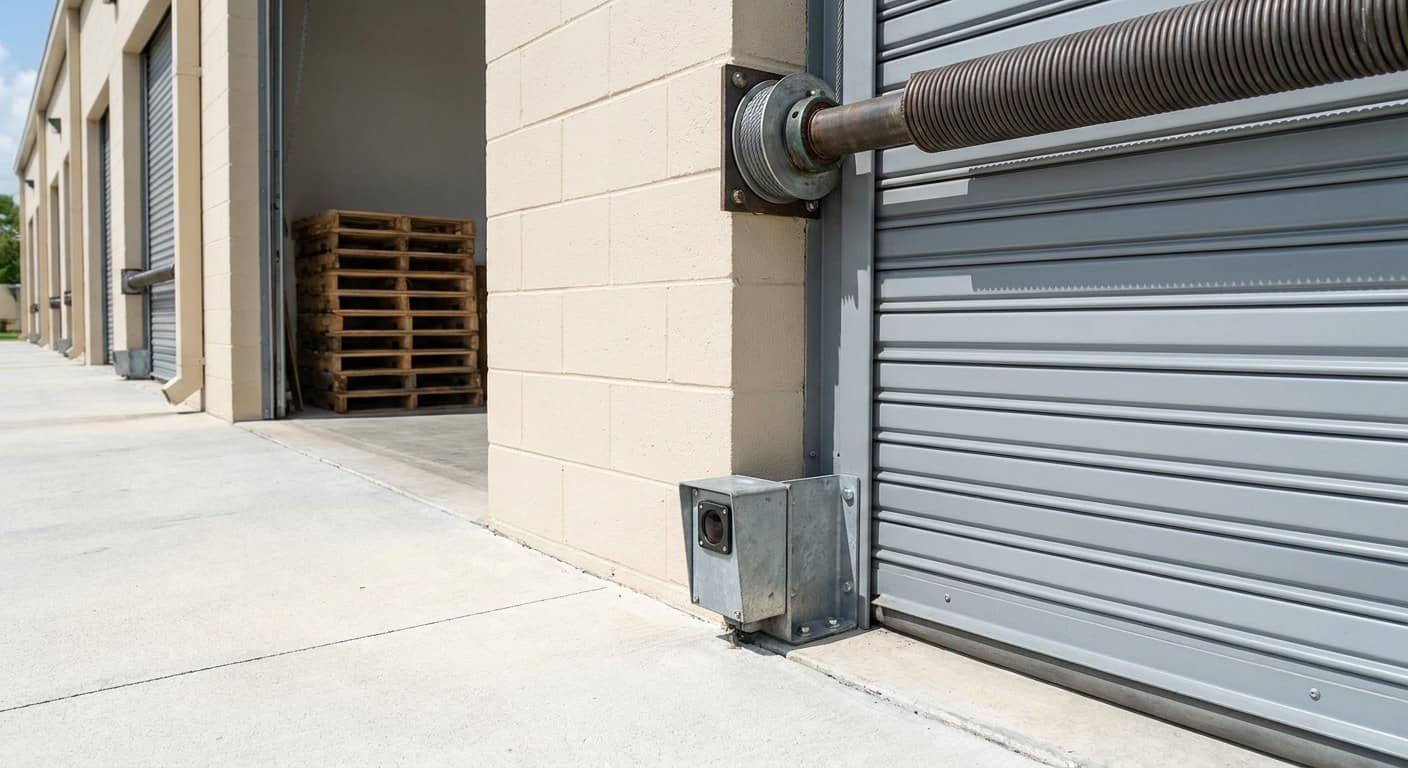
Safety devices
An inspection item on a commercial door, not an option to decline.
Commercial pricing is quoted per opening after a survey. Two bays of identical width in the same building routinely land at different numbers because they do different work.
More detail if you want it
How we think about this job.
Three things decide the cost of a commercial door over its life.
1.Commercial doors are specified by use as much as size
Two bays of identical width can need different doors entirely, because one opens six times a day and the other sixty. The cycle count chooses the spring assembly, the operator and the service interval, and it is the number a survey exists to establish.
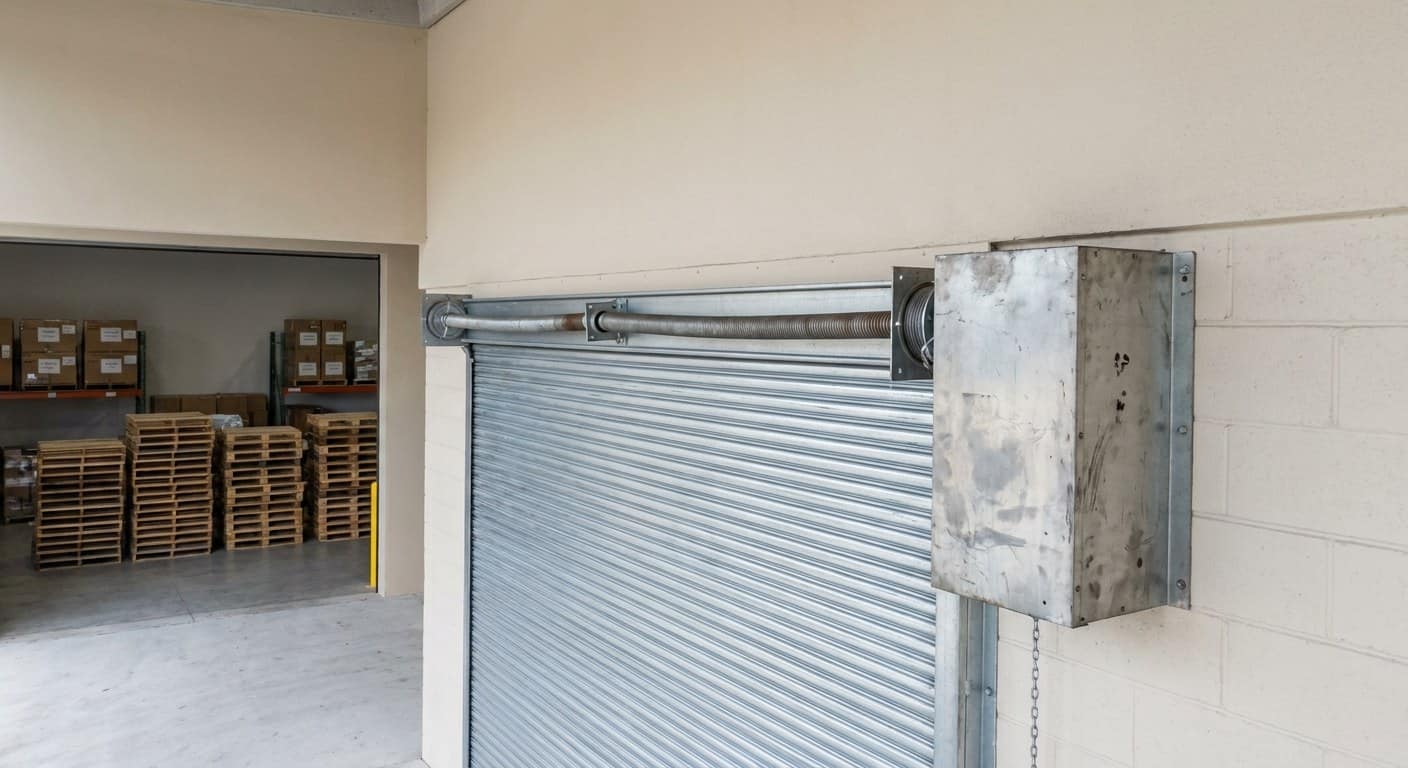
2.Operators and hardware have to match the duty cycle
An operator specified for ten cycles a day does not fail on day one at forty; it fails in month eight, during business hours, and it takes the bay with it. Rating the operator to the real traffic is the least visible decision on the quote and the one that shows up first.
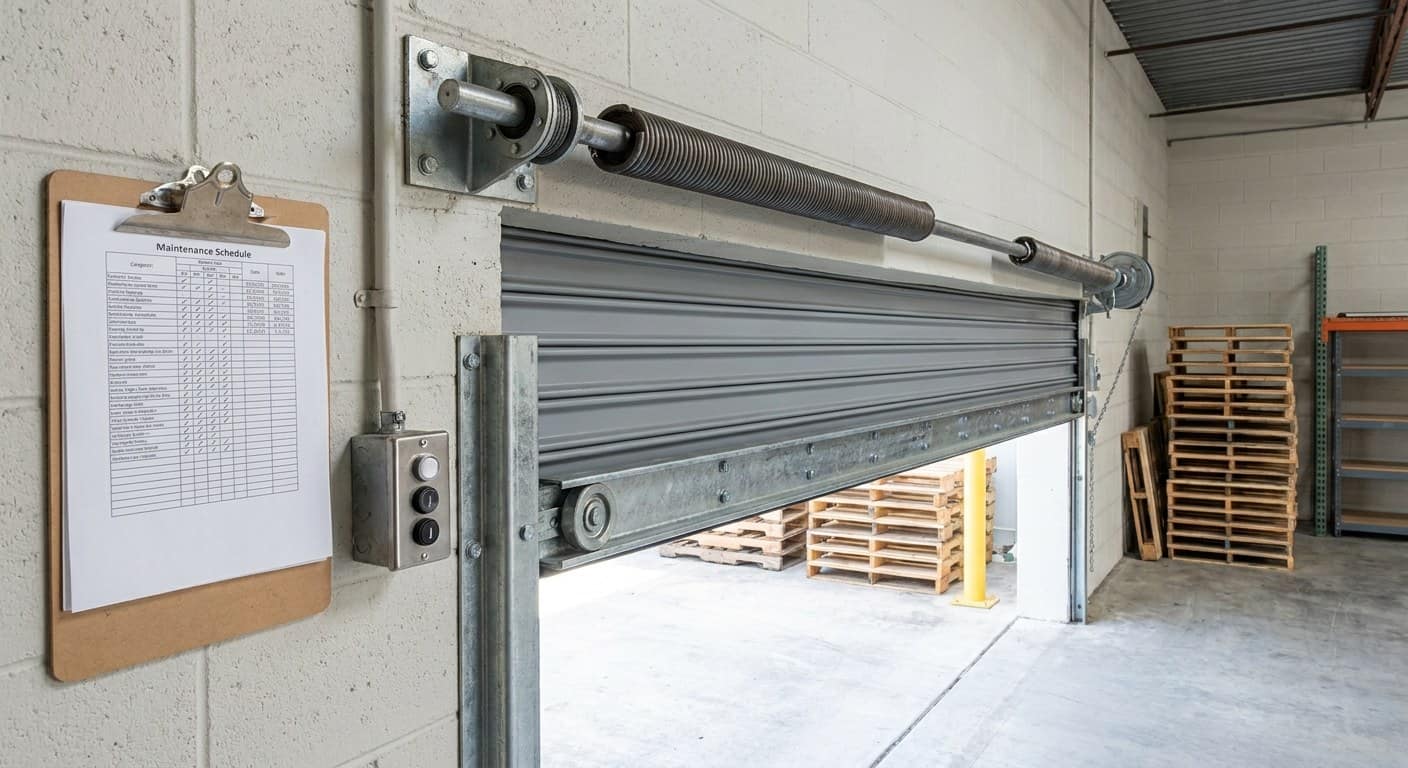
3.Downtime is part of the scope
A bay that cannot open costs the operation more per hour than most repairs cost in total. That is why the work is scheduled around the shift rather than around our calendar, and why a service agreement is usually cheaper than the emergencies it replaces.
How it goes
How a commercial job goes.
Four steps, and the shift decides the third.
- 01
We survey the bay
Cycle count, traffic, opening and what an hour of downtime costs.
- 02
We specify to the use
Door type, spring assembly and operator rated to your real traffic.
- 03
We schedule around the shift
Installation timed so the bay is out of service when it costs least.
- 04
We agree the service interval
Written down, so parts are changed before they stop the bay.
Typical ranges
Useful numbers — after you understand what changes them.
Commercial work is quoted per opening after a survey; the ranges below are the residential market for reference.
- Commercial roll-up or sectional door, installed$1,500–$7,000
- Garage door opener, supplied and installed$380–$1,400
- Torsion spring replacement (pair)$250–$450
- Annual tune-up and safety check$100–$240
These are published market ranges for South Florida, not a quote. The failed component and the condition of the door decide the final price.
More detail if you want it
Why we schedule around your shift, not ours
A bay out of service stops more than a door. It stops loading, and loading stops everything behind it. Installing at six in the morning or on a Saturday costs us more and costs you far less, and the arithmetic is rarely close. We ask what an hour of downtime costs before proposing a date, because that number decides the date far better than our diary does.
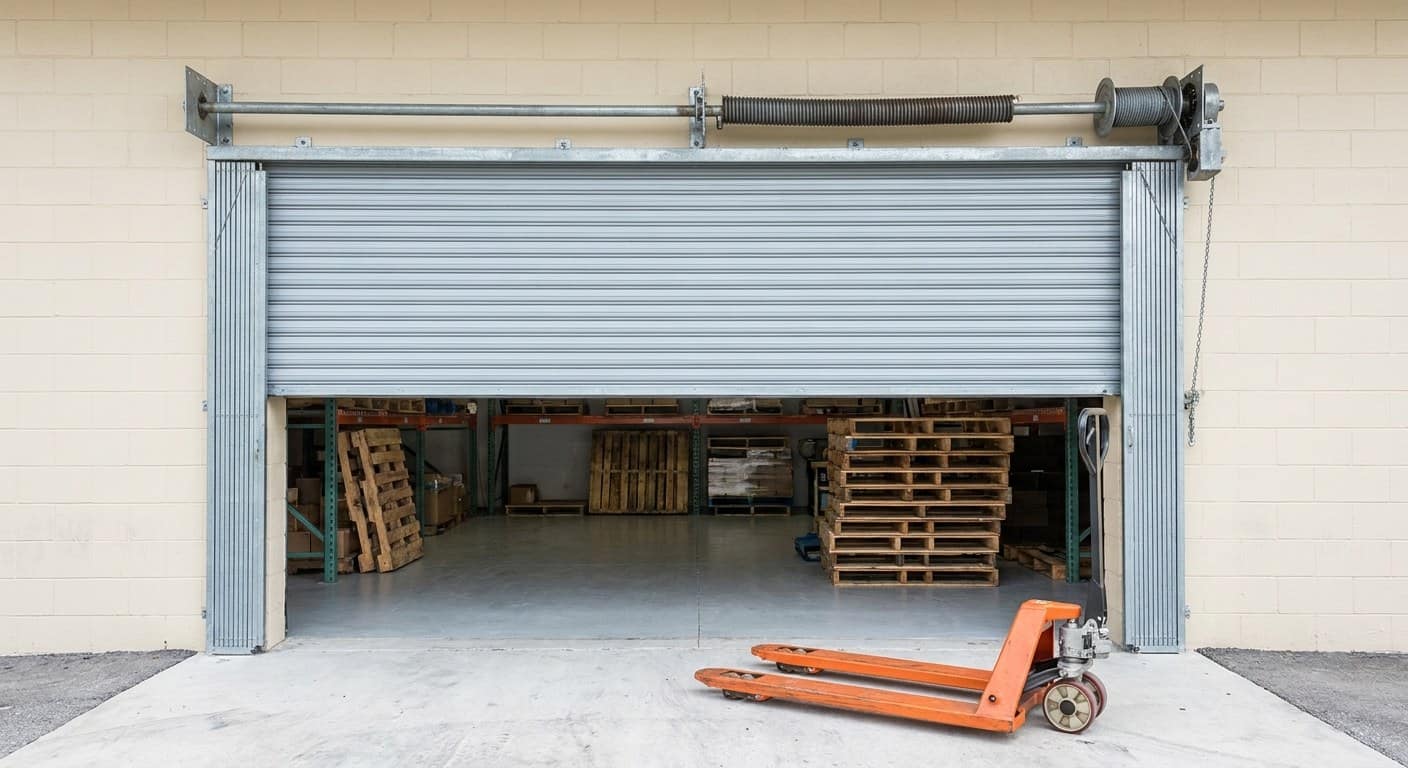
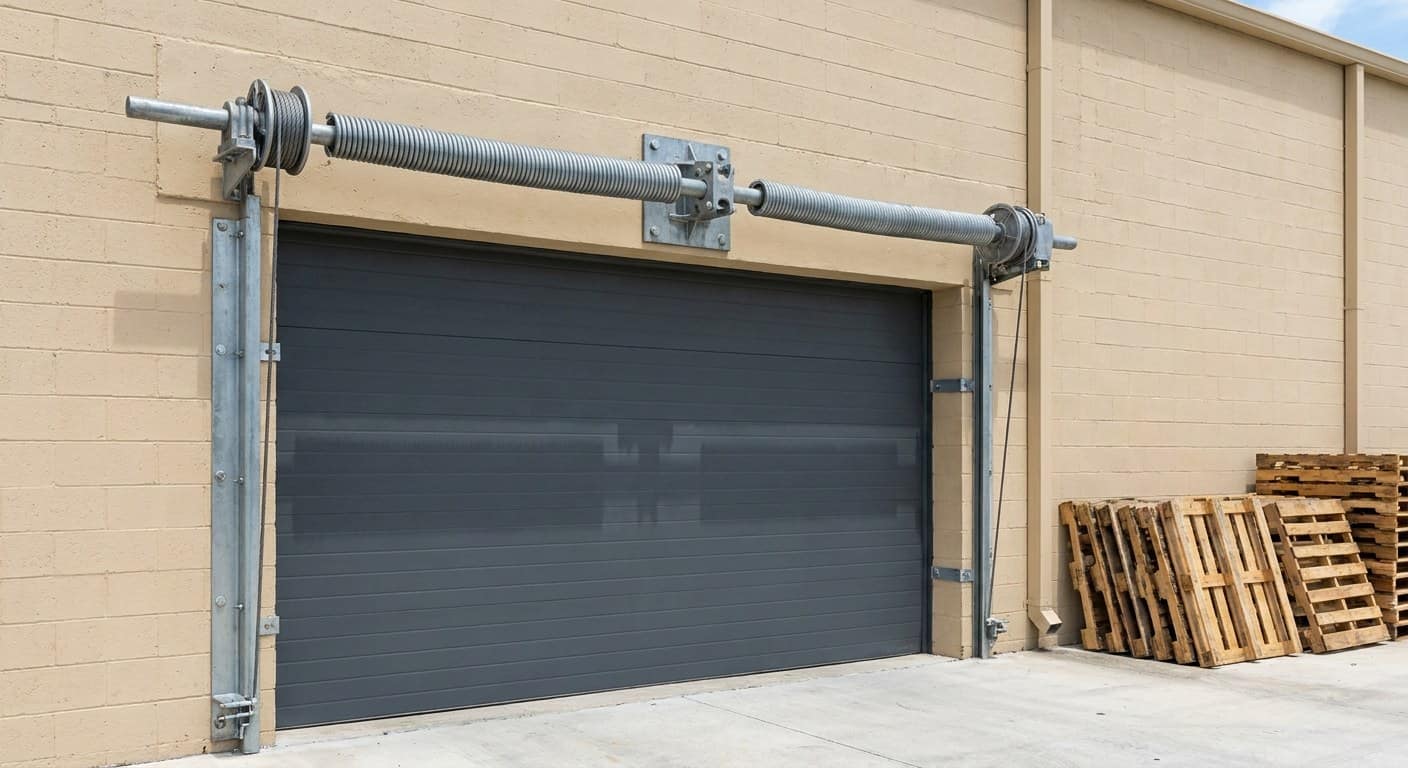
Why high-cycle springs are cheaper
A standard spring assembly is rated for about ten thousand cycles. On a bay running forty times a day, that is eight months. A high-cycle assembly costs perhaps twice as much and lasts five times as long, and each replacement it avoids is not just a part but a bay standing still. On a busy opening it is the clearest saving on the quote, and it is the line most often cut.
Before you choose
What operations managers ask.
The questions that come up on almost every visit.
Can you work outside business hours?
Yes, and on a busy bay it is usually cheaper overall. We ask what an hour of downtime costs before proposing a date.
Do you offer service agreements?
Yes, with intervals set against your actual cycle count rather than a calendar. It is usually cheaper than the emergency calls it replaces.
Rolling steel or sectional?
A roller suits a bay that is open most of the day; an insulated sectional suits one that stays closed, where temperature or noise matter.
Why is my quote different from the identical bay next door?
Because the two bays do different work. Cycle count chooses the springs and the operator, and two openings of the same width routinely land at different numbers.
2
door families, with different failure modes entirely
1
periodic drop test, where the curtain is a fire assembly
25BS00124
the certificate commercial work is carried out under
More detail if you want it
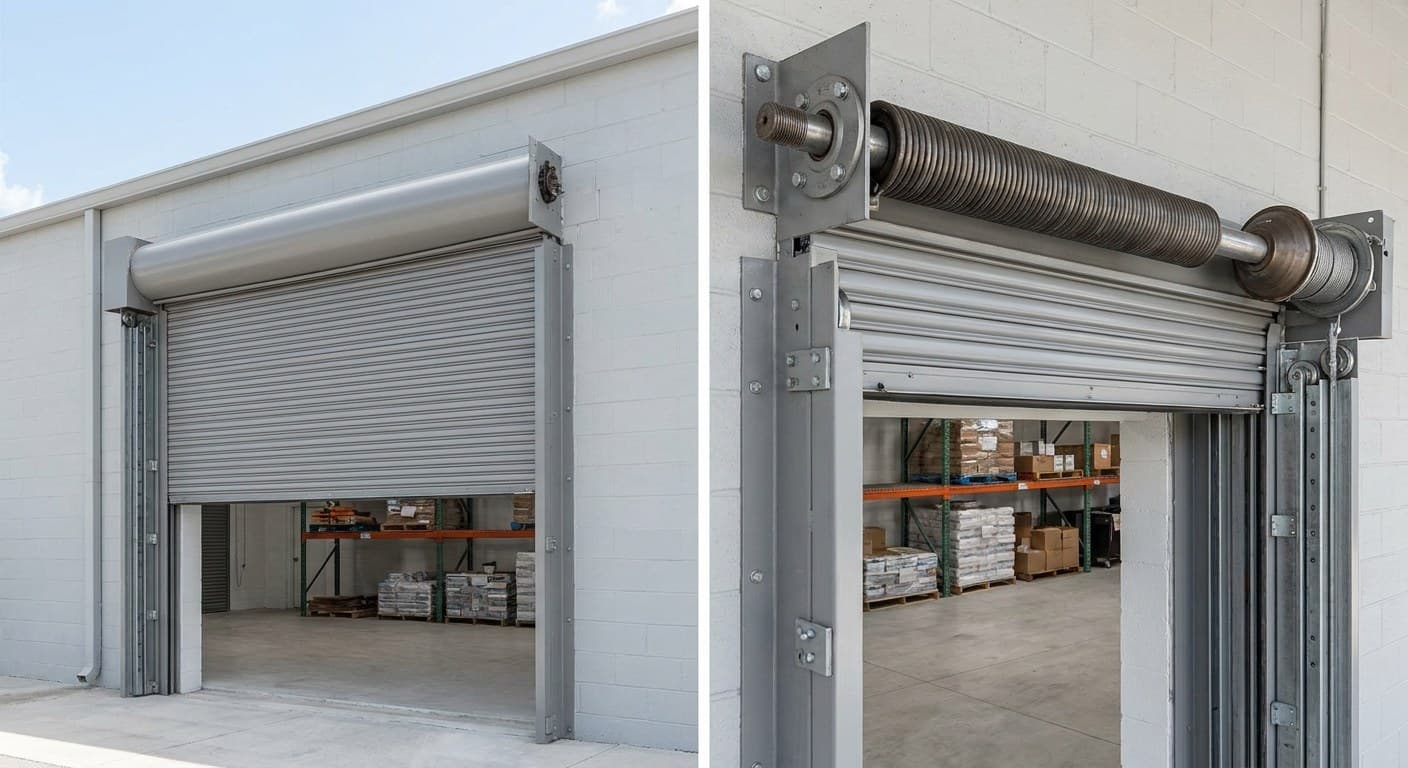
Rolling steel and sectional are different animals
A rolling curtain coils above the opening and needs almost no room behind it, which is why it dominates tight bays and alleys. Its wearing parts are the barrel spring, the guides and the slats themselves, and a curtain that has been forced while jammed usually shows it as a wave along its width. A sectional runs back on horizontal tracks like a domestic door scaled up, takes headroom instead of a coil, and fails at the parts a house door fails at — just heavier.
The practical consequence is on the diagnosis. On a curtain, a door that binds halfway is usually a guide or a slat, and forcing the operator makes it structural. On a sectional, the same symptom is usually a roller or a cable, and forcing it bends a track. Neither of those is expensive on the day it happens and both become expensive the third time someone runs the motor against the resistance.
Two obligations a tenant often does not know about
The first is the fire door. Where a rolling door forms part of a fire separation — common between a warehouse and an occupancy, and between adjoining units — the assembly carries a periodic drop test obligation under the fire code, performed and documented by someone qualified to do it. It is not a garage door service item and it is not optional; if your curtain has a fusible link or a release mechanism, it is worth establishing who is currently responsible for that record, because in a lease it is frequently nobody.
The second is the same wind code that governs houses. A commercial opening in this zone owes an approval exactly as a residential one does, and the pressures on a wide bay are higher because the opening is bigger. Replacing a commercial door is therefore a permitted job with an approval attached, and a landlord who has been told otherwise has been told wrong.
What we can do about downtime is unglamorous and it works: know what is on the site before it fails. A short survey that records the make, the model, the spring and the parts most likely to go turns a two-day wait for an ordered component into a same-visit repair, and it costs nothing to keep on file.
Commercial garage door questions for South Florida sites
Who pays for commercial garage door repair, the landlord or the tenant?
The lease decides it, and the split is rarely where people assume.
- Structure and alterations: usually the owner
- Wear from daily use: usually the occupier
- Statutory testing: read that clause first
Can commercial garage doors be serviced outside business hours?
Yes, and out-of-hours attendance carries the same surcharge as any night callout.
- Compare the surcharge to an hour of closed bay
- On a busy site the arithmetic favors it
That calculation is how a commercial door should be maintained in the first place — on what an unopened bay costs, not on a calendar.
Our rolling steel door is jammed and staff keep pressing the button.
Take the power off it now. An operator driving a curtain against an obstruction is the fastest way to turn a guide adjustment into a replacement.
- Damage spreads across the full width
- It does not stay where it started
Do commercial garage doors need product approval in Miami-Dade?
Yes, on the same basis as a house, and the numbers are less forgiving because a wide opening collects more load.
- Any replacement quote should name its approval
- An unnamed approval is itself the answer
Sources
- Florida Building Commission — Product Approval
- Miami-Dade County — Product Control and Permitting
- osha.gov
Edited by Avidan Benichay · Updated
General information about garage doors in South Florida — not a diagnosis of your door, and not a quote. Code and prices vary by address and change over time. Terms of use
Since 2014Licensed & insuredFL Lic. 25BS00124
Tell us what the bay does, not just how wide it is.
The survey counts the cycles, prices the downtime, and comes back with a door specified for the work it actually does.